Standing floodwater
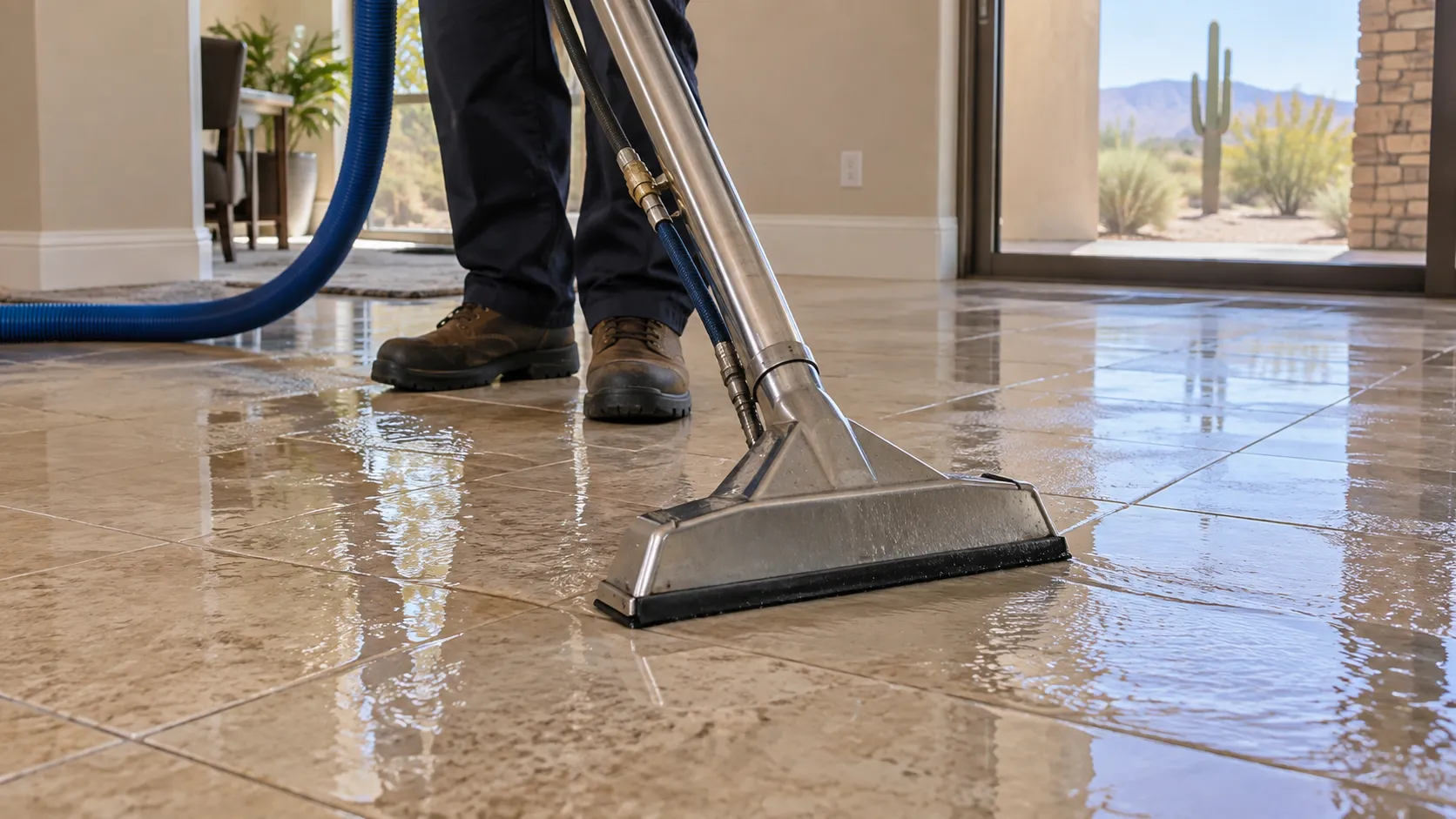
Sudden outside-water entry can leave accumulated water inside a property. Extraction addresses accessible pooling once conditions allow restoration work.
24/7 flood restoration in Avondale
Get help repairing flash-flood damage in Avondale without covering unfinished moisture problems. Drying findings and physical condition establish the remaining restoration work.
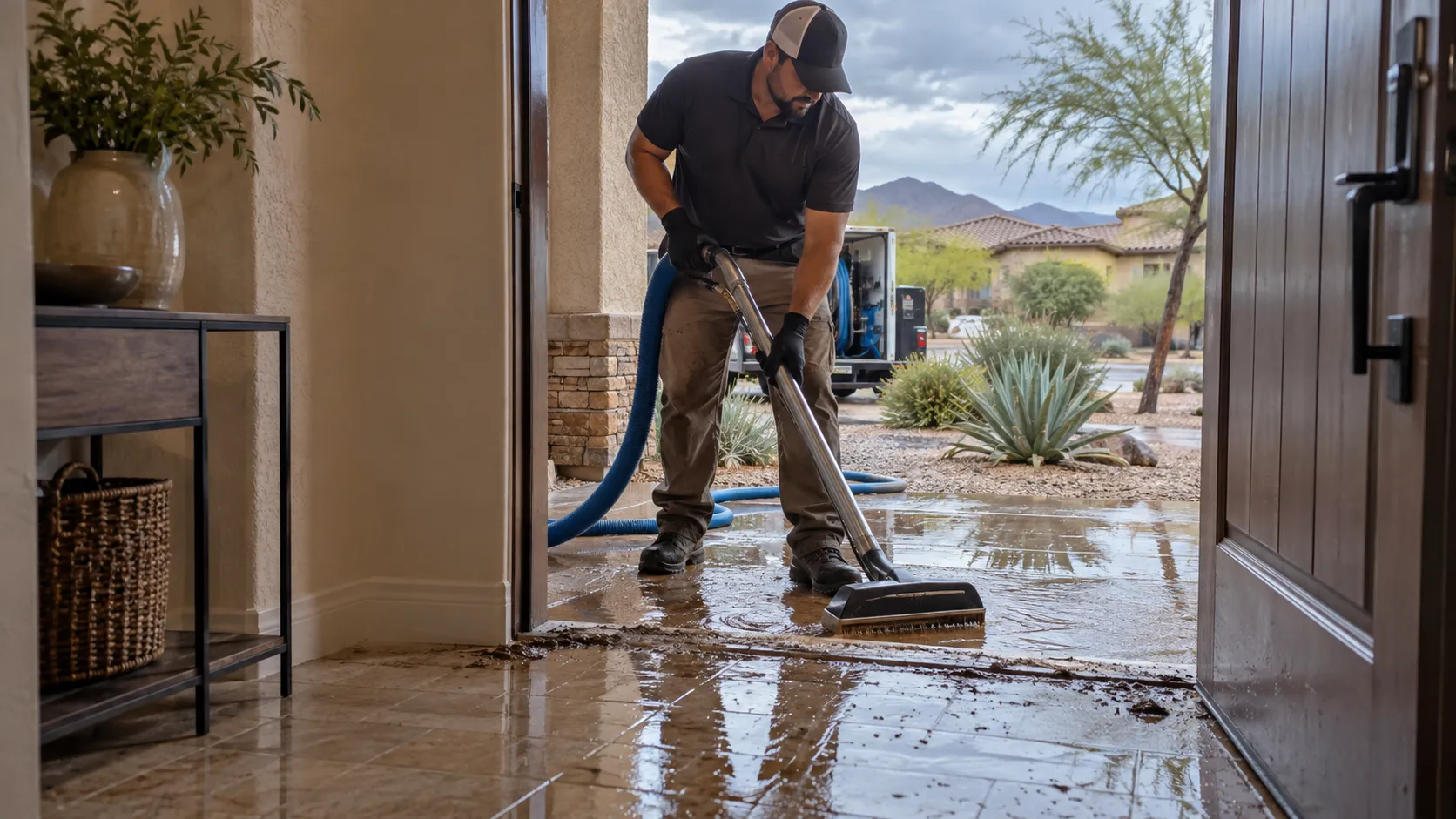
Restoration service is not an emergency rescue service. Active floodwater, damaged utilities or unsafe access can prevent entry until conditions are appropriately assessed.
Sudden outside-water entry can leave accumulated water inside a property. Extraction addresses accessible pooling once conditions allow restoration work.
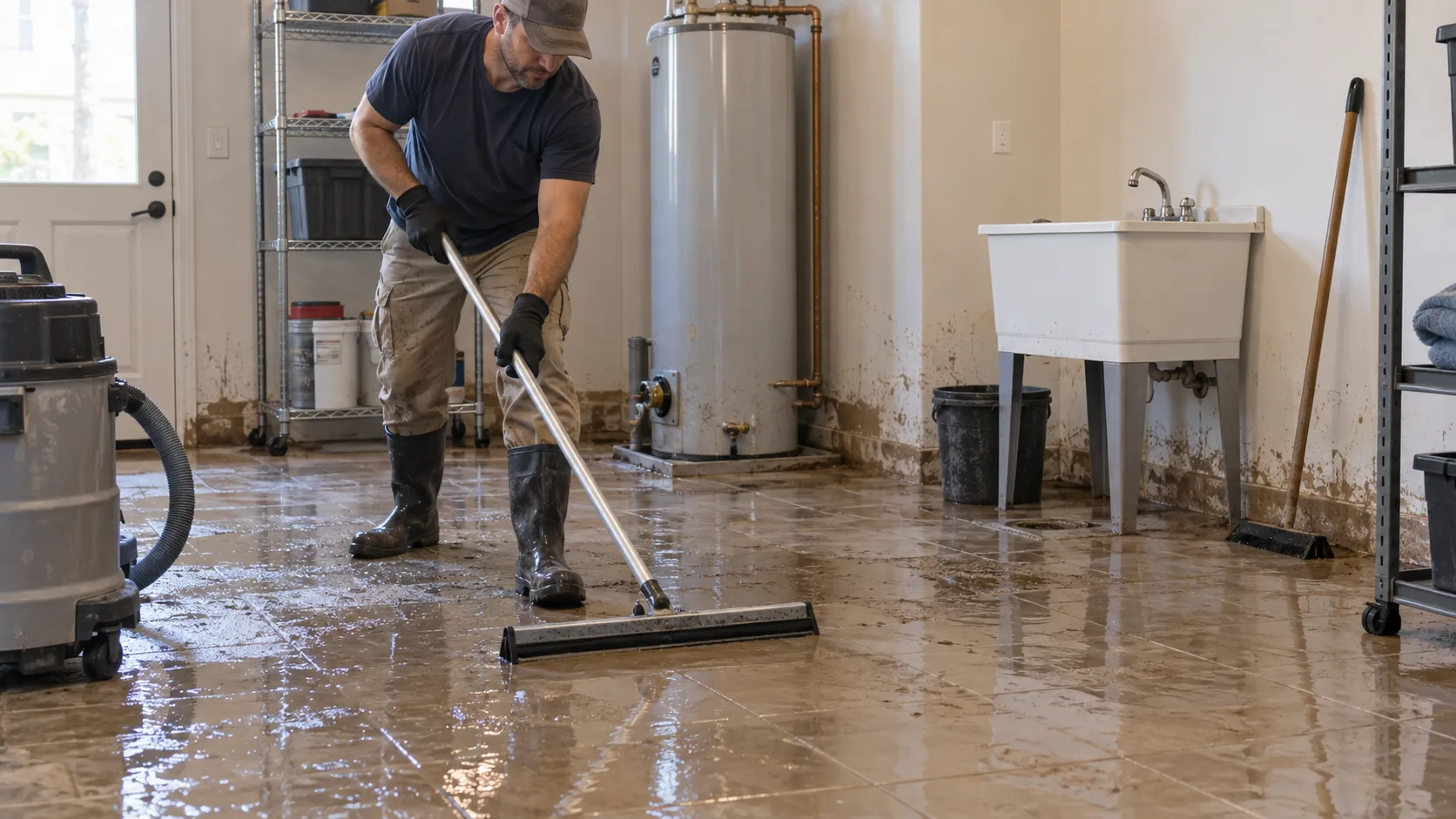
Water can leave silt and other residue after it recedes. Cleaning these deposits is separate from drying the materials exposed.
Outside water may carry contamination that is not obvious by appearance. Exposed porous materials need assessment before they are kept.
Walls, flooring and other building materials can remain wet after the water level falls. Moisture checks identify the drying still needed.
The conversation covers your Avondale location, reported flooding and known access concerns. Service is available 24/7 with a 25-minute on-site response.
The inspection considers water exposure, remaining deposits and damaged materials. Active hazards and access restrictions affect when restoration can begin.
Equipment removes accessible standing water. Conditions and continuing entry guide the removal work.
Cleaning removes deposits from suitable surfaces. Materials that cannot reasonably be cleaned or dried are identified for removal.
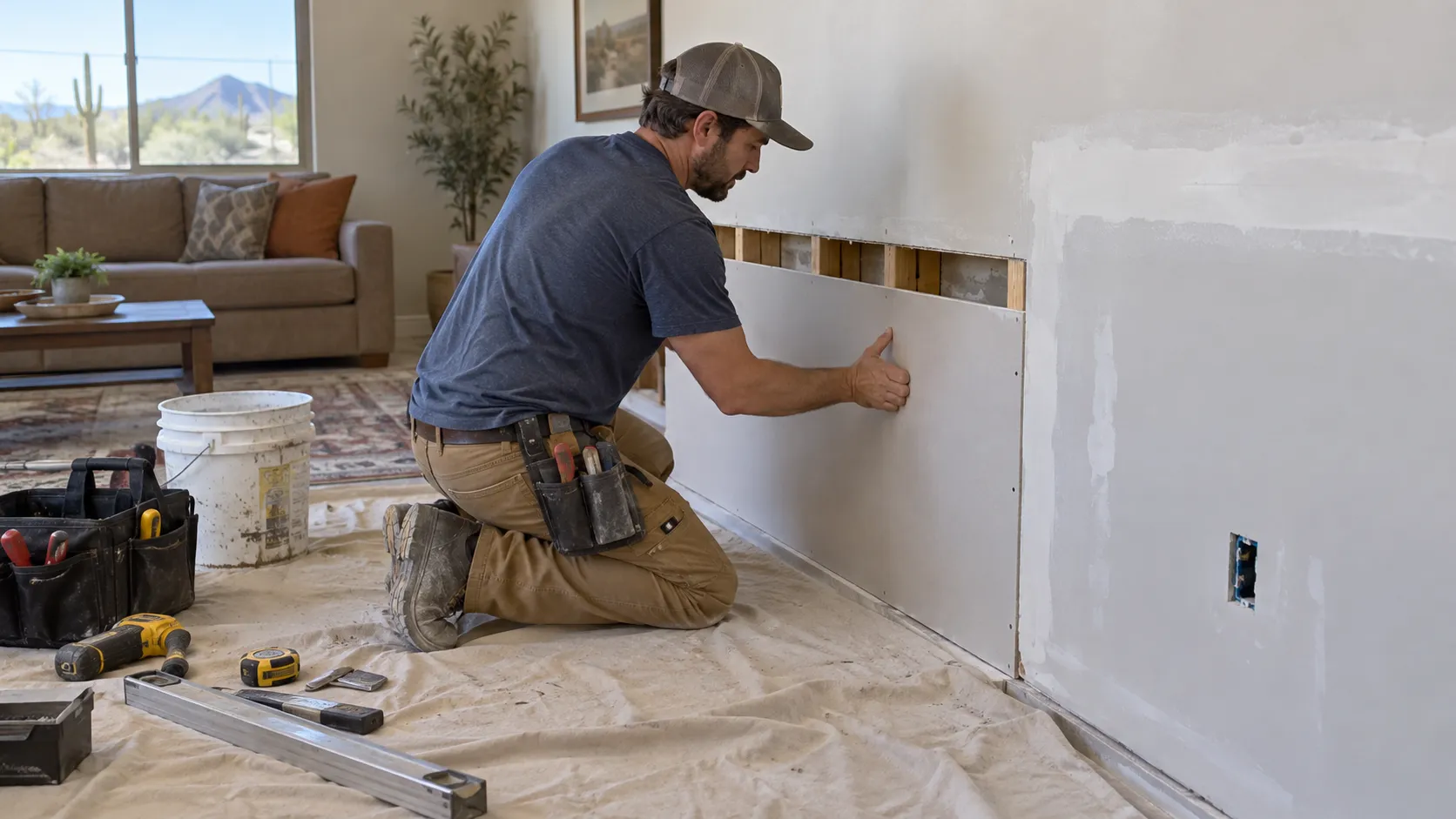
Retained wet materials are dried and checked. Physical damage that remains is identified for the appropriate repair or reconstruction work.
Extraction clears accumulated water where safe access permits, making the remaining cleanup and material damage easier to assess.
Cleaning addresses accessible silt and residue left inside. The work considers the surfaces and materials the water contacted.
Material condition and contamination determine what can be cleaned and dried. Clear-looking water or surfaces do not establish recoverability.
Drying equipment addresses suitable retained materials after necessary cleaning and removal. Moisture findings guide further drying and repair planning.
The assessment identifies accessible affected materials and areas needing further investigation beyond the most visible deposits.
The proposed work distinguishes residue cleaning from removal of unsuitable materials. These are different responses to the same flood exposure.
Drying observations help identify whether retained materials are improving and which areas still need attention before repairs.
Physical damage may require reconstruction even after cleanup and drying. Repair needs are based on the condition of the affected building materials.
Interior restoration does not automatically correct exterior drainage or building-entry problems. Those conditions may require a separate specialist.
Contents need individual assessment based on exposure and material. Cleaning the building does not establish that every belonging can be restored.
Suitable cleanup and drying come before replacement finishes. A cleaner appearance alone does not establish that retained materials are ready.
Intense monsoon storms can bring localized flooding to Avondale. Water that enters a building may leave residue, moisture, and damaged materials after the storm, each requiring a different part of restoration.
Flash Flood Restoration is available throughout Avondale, including Garden Lakes, Coldwater Springs, Historic Avondale, and Cashion. Emergency service is available 24/7 with a 25-minute on-site response.
Serving Avondale from our Phoenix office: 2840 S. 36th Street, Suite E-1, Phoenix, AZ 85034.
Flash Flood Restoration is available in these Avondale-area ZIP codes. Postal areas can extend across municipal boundaries.
It can include extraction, sediment cleanup, damaged-material removal, drying and repairs. The water exposure and condition of the property determine the work required.
We provide flash flood restoration in Avondale, including Garden Lakes, Coldwater Springs, Historic Avondale, and Cashion. Coverage includes 85323 and 85392. Service comes from our Phoenix office; postal areas can cross municipal boundaries.
No. Heat does not remove sediment or restore damaged materials. Moisture checks determine drying needs, while the exposure and physical condition guide cleanup and repairs.
Not necessarily. Active flooding and unsafe access can prevent restoration from starting. Site conditions need appropriate assessment before personnel or equipment enter.
No. Appearance does not establish its condition. The source and materials contacted affect cleanup methods and whether exposed components can be retained.
No. Sediment removal addresses visible deposits, but affected materials may need further cleaning, drying or replacement depending on exposure and condition.
Some cannot be reasonably cleaned or restored after outside-water exposure. Material type, contamination and physical damage determine whether drying is appropriate.
Not automatically. Interior restoration addresses existing flood damage. Drainage or other exterior corrections may require separate specialist work to address the cause.
Get extraction, cleanup and drying based on the damage to your property. Call for restoration help or request service online.