
Flood damage beyond the end of rainfall
Flash flooding in the Buckeye area can occur away from a storm and after rain has ended. Continued water entry needs attention, while materials already exposed may require cleaning, drying, or replacement.
24/7 flood restoration in Buckeye
Get floodwater extracted and affected materials checked for cleanup, drying, and repair. Buckeye flood restoration addresses damage that remains after the water recedes, with measurements helping guide the drying work.
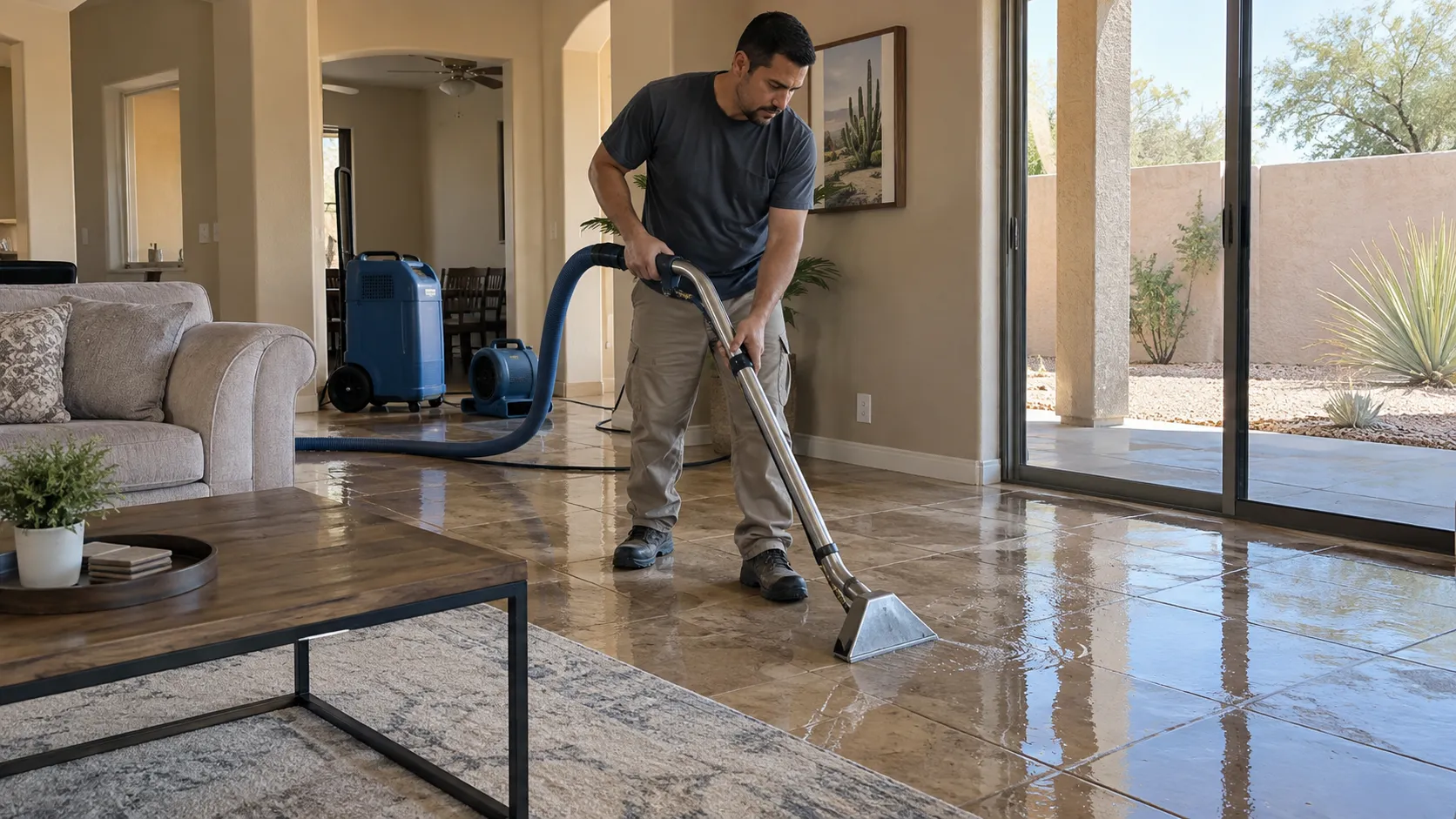 Residential Flood RestorationRemove floodwater, dry affected materials, and repair flood damage to your home.
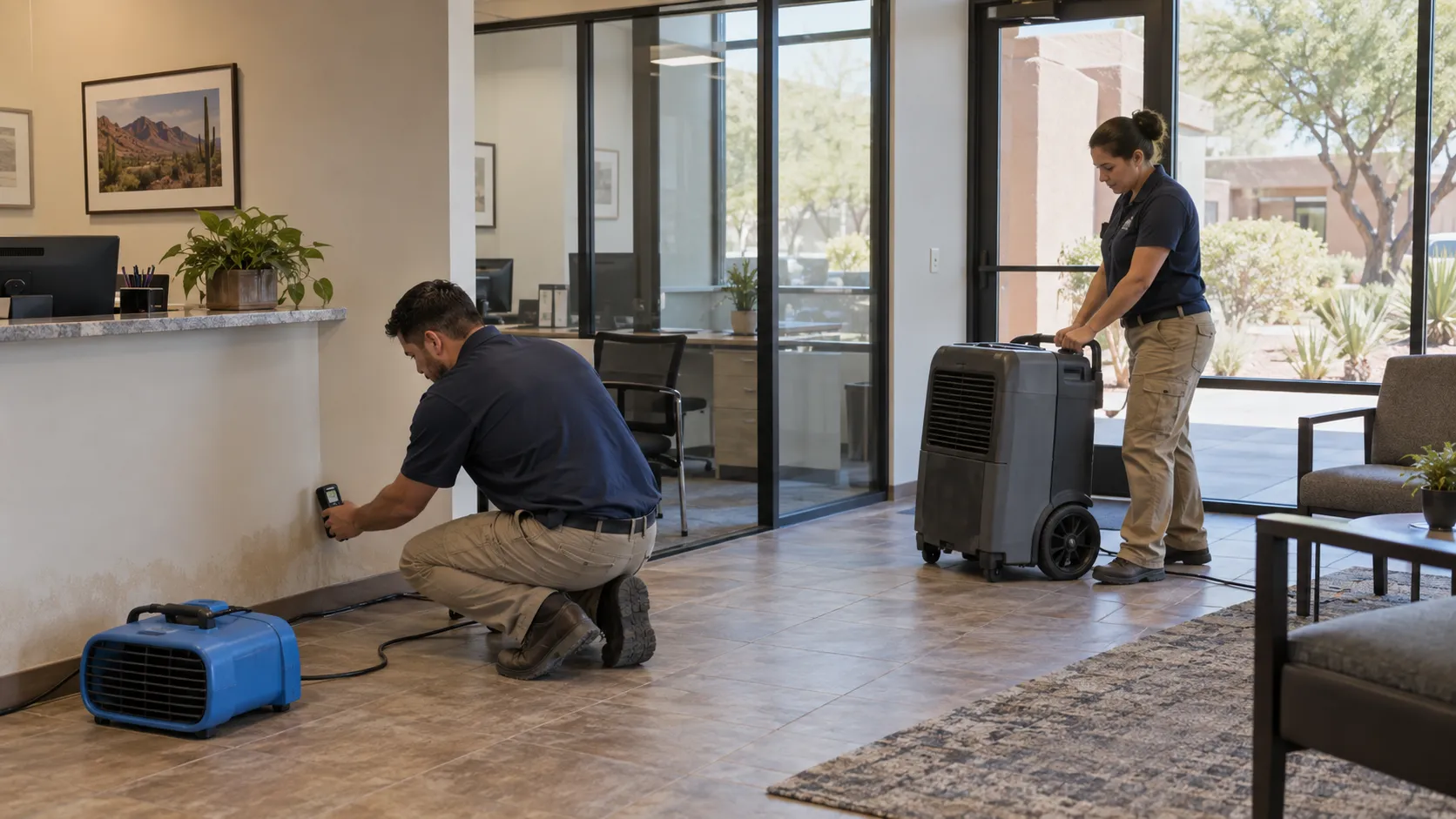 Commercial Flood RestorationAddress flood damage at your business with extraction, cleanup, drying, and repairs.
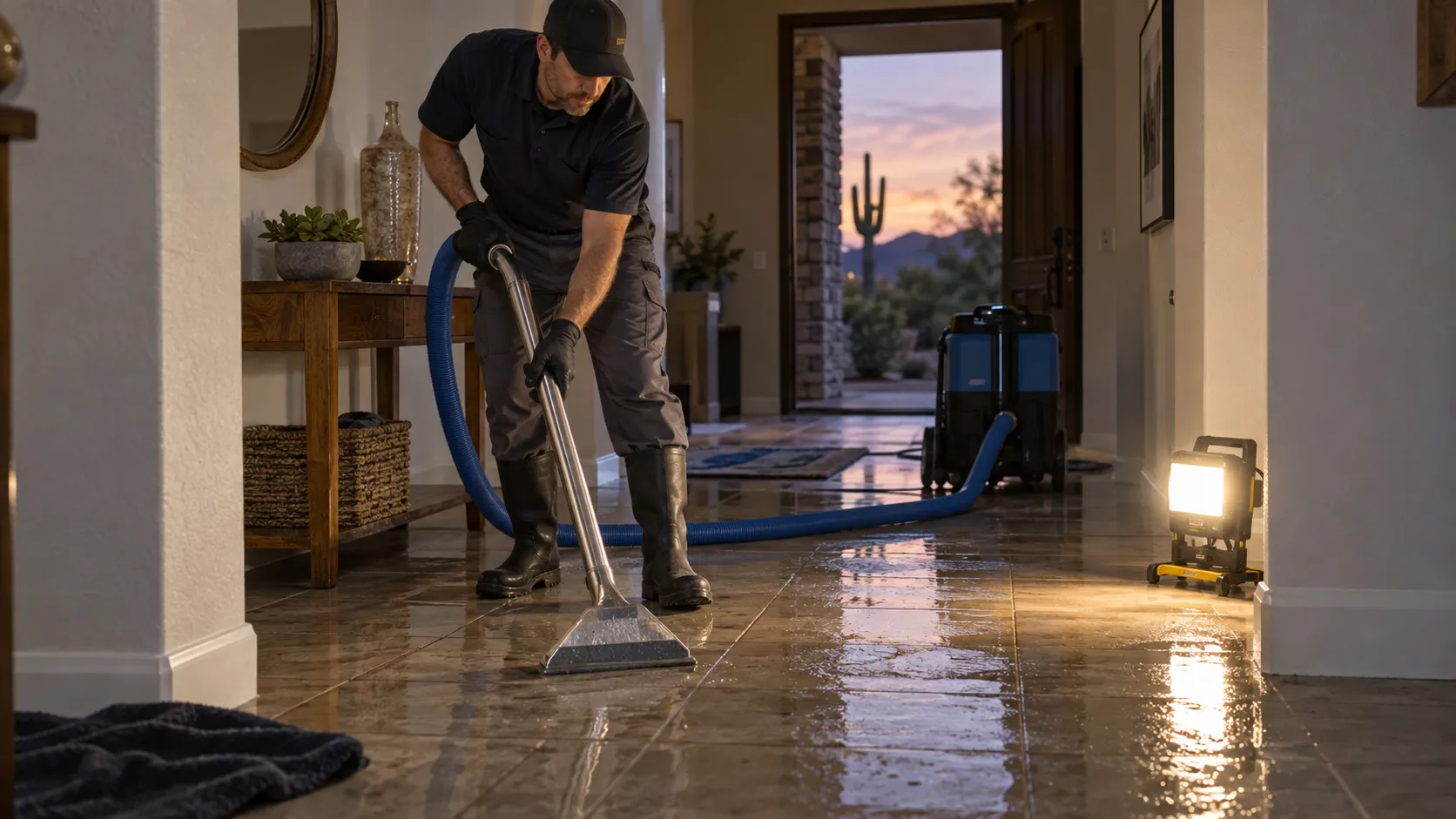 Emergency Flood CleanupAddress standing water and flood residue with emergency cleanup available day or night.
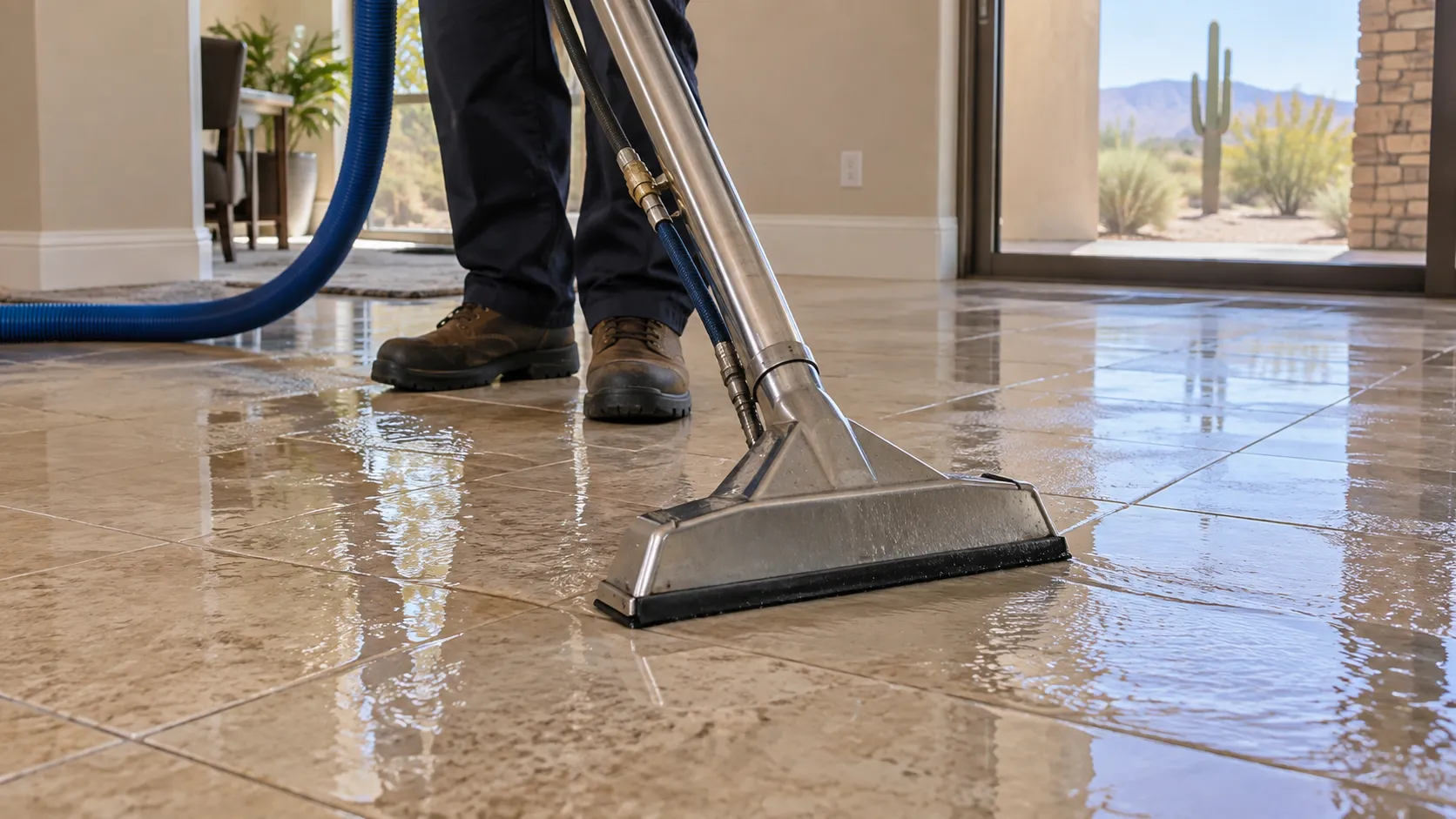 Floodwater ExtractionRemove standing water so cleanup and drying can begin.
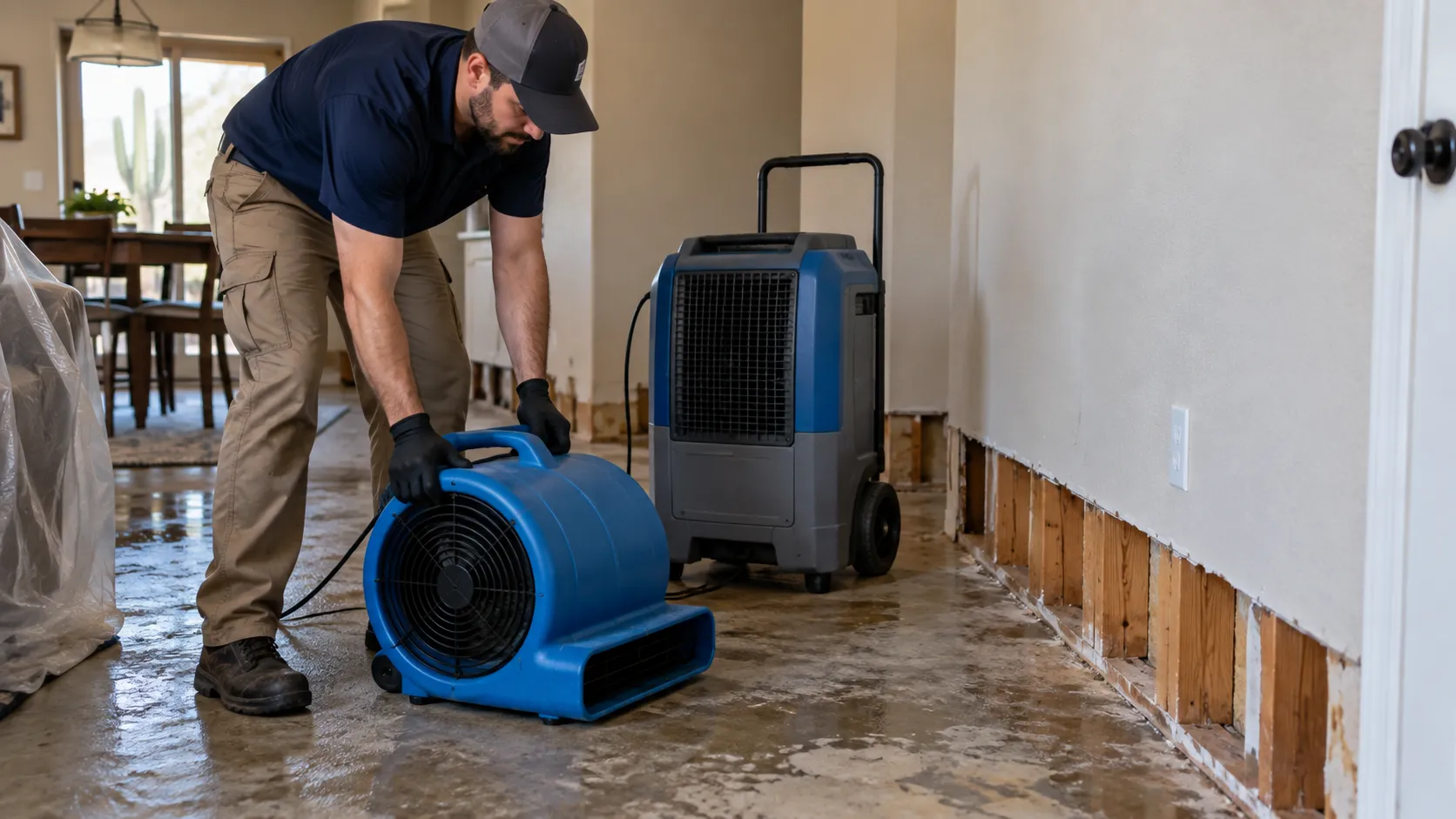 Flood Damage MitigationLimit further water exposure with extraction, cleanup, and targeted drying.
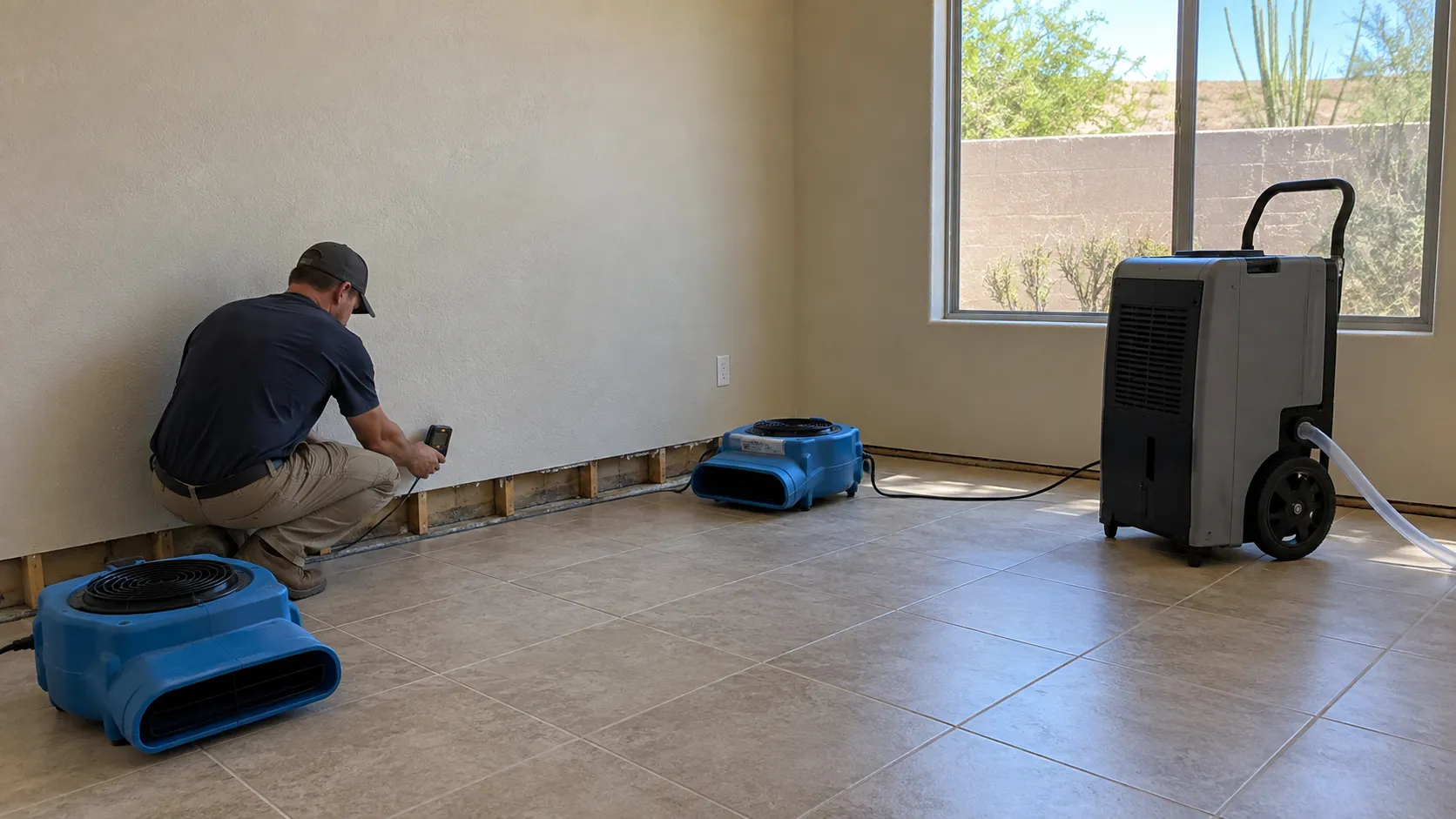 Structural Drying & DehumidificationAddress moisture remaining in affected building materials.
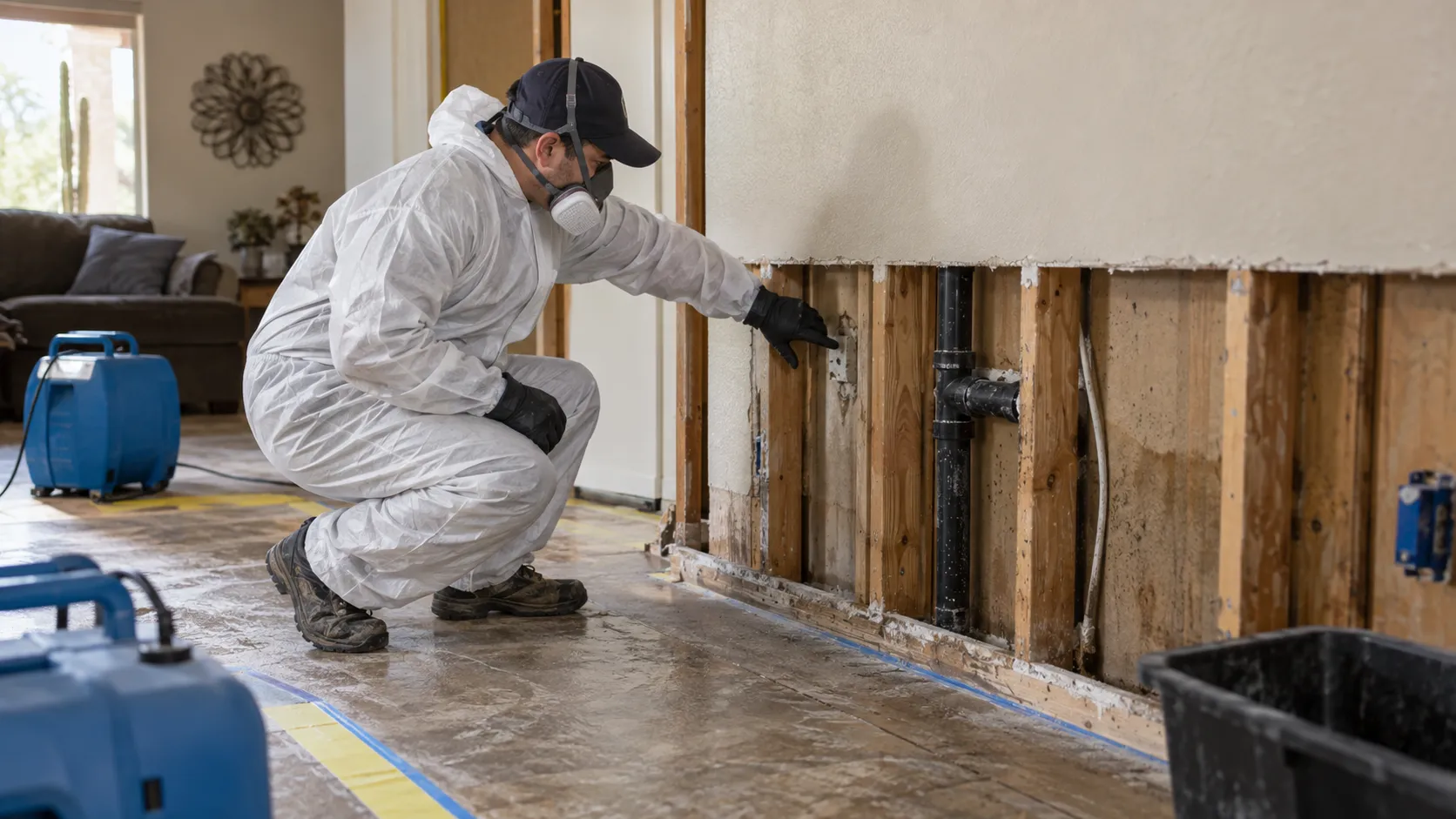 Flood Damage RemediationAddress flood residue, affected materials, and moisture that need more than surface cleaning.
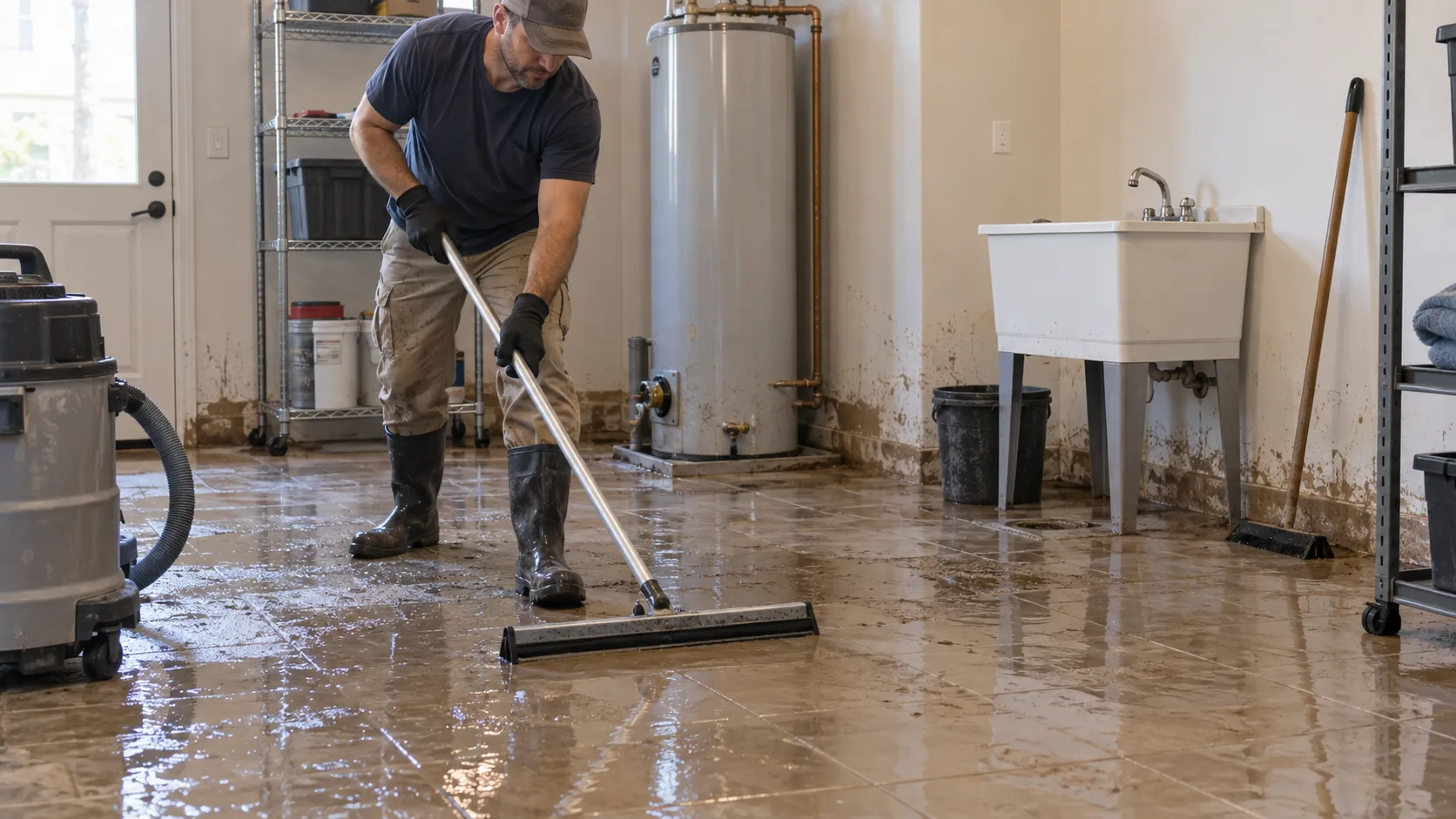 Flood Cleanup & SanitizationRemove flood residue and treat suitable surfaces according to their exposure.
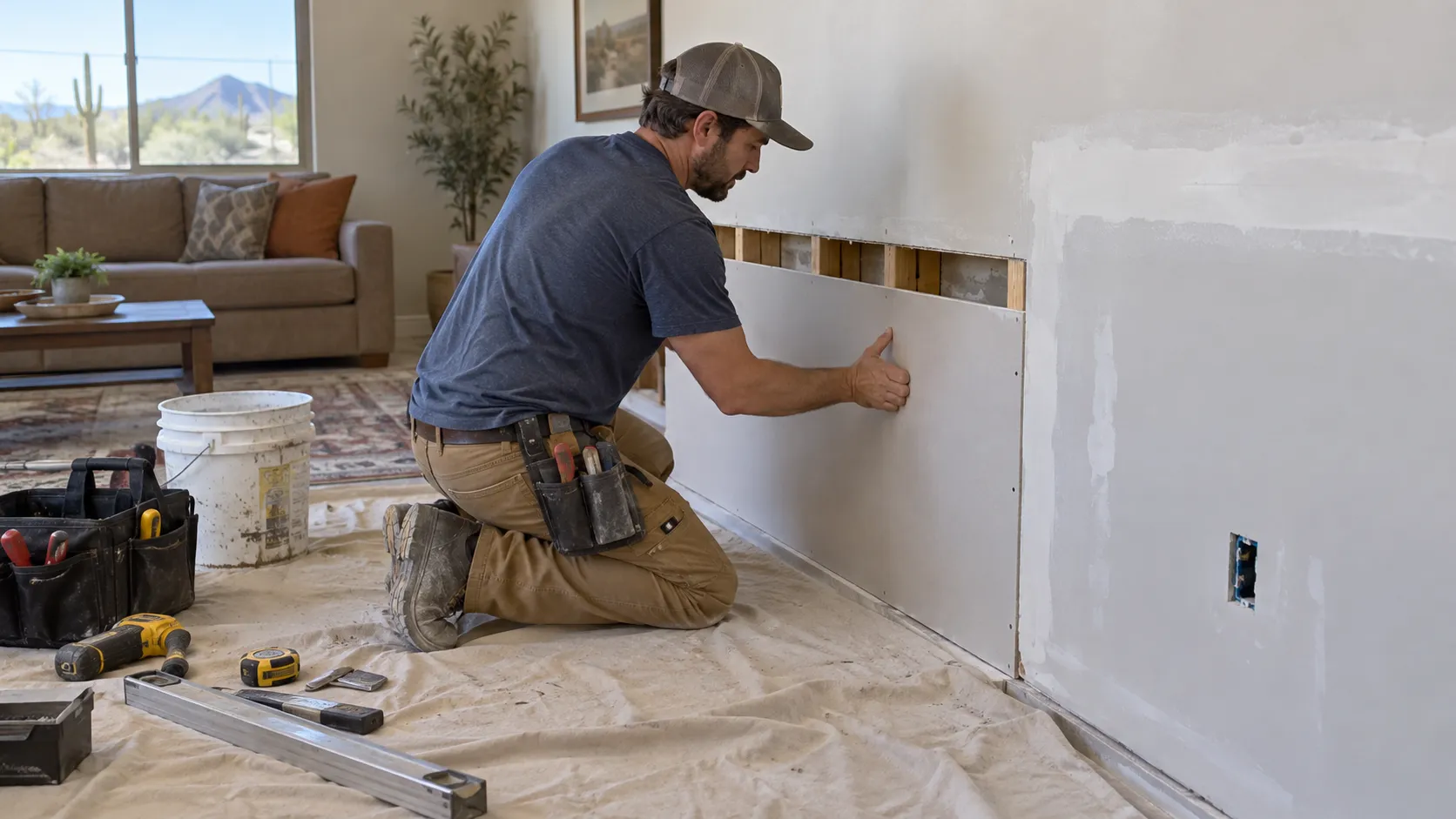 Flood Damage ReconstructionRepair damaged materials that cleanup and drying cannot restore.
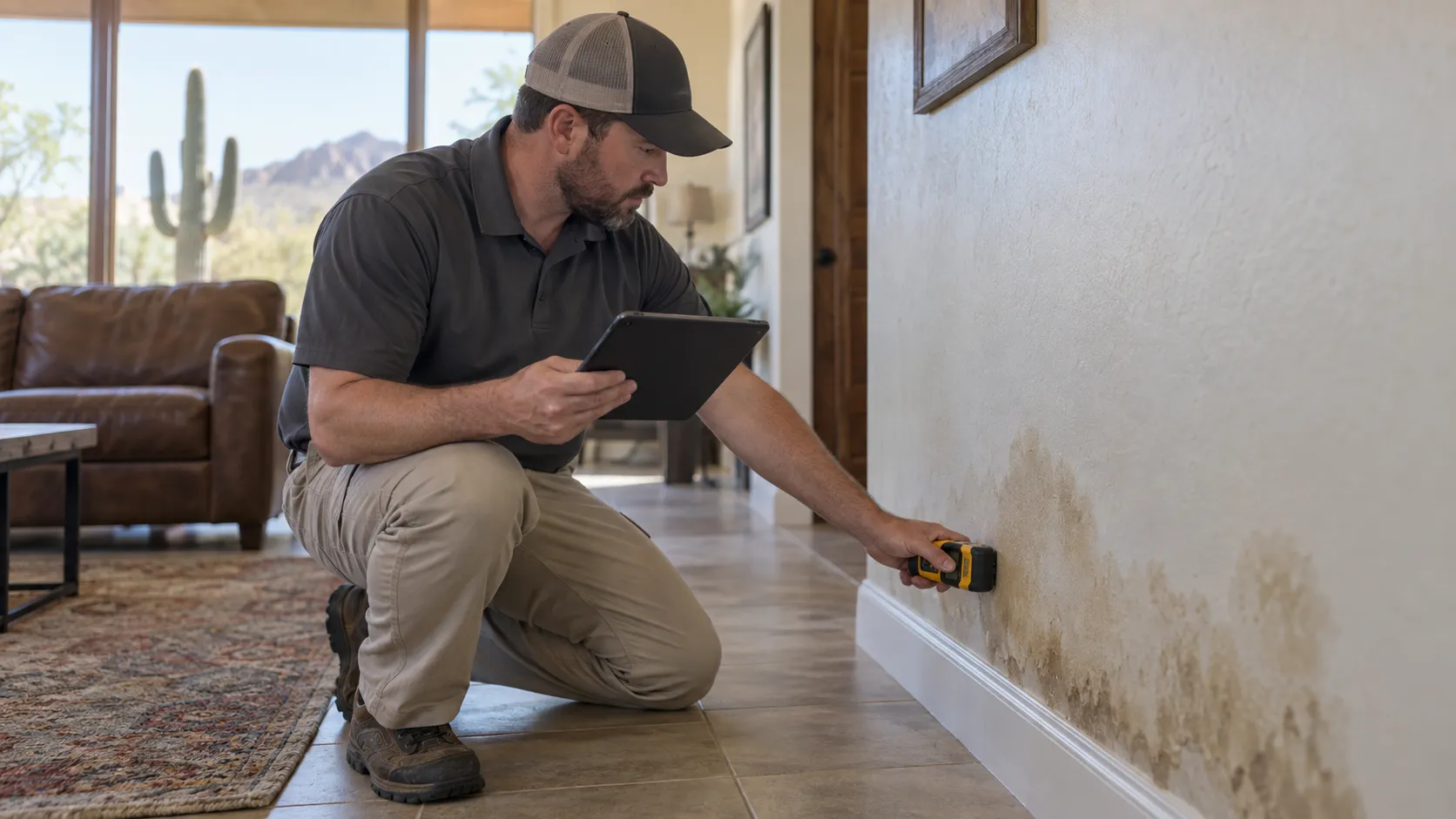 Flood Damage AssessmentIdentify affected materials, moisture, and the restoration work your property needs.
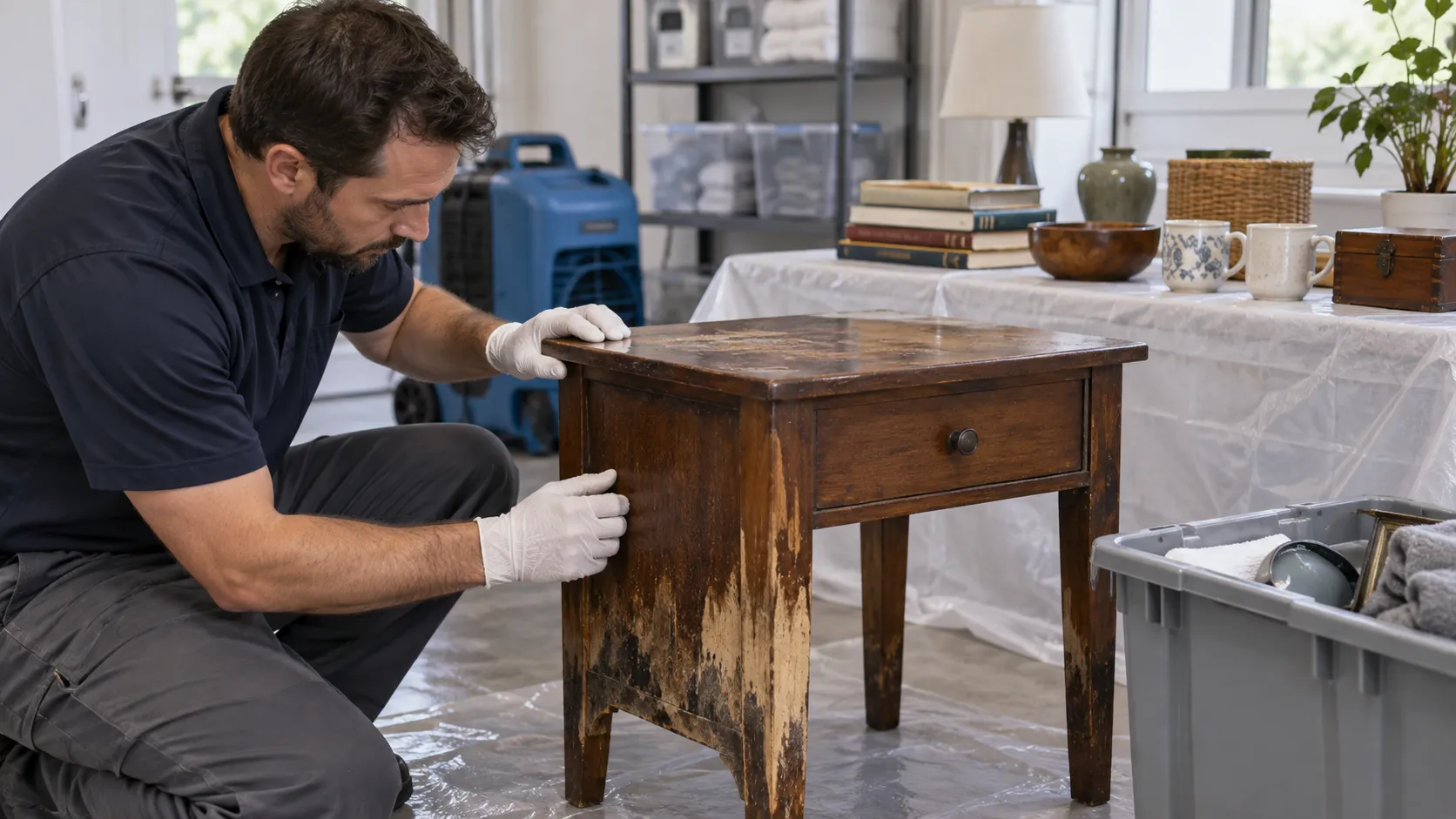 Contents Drying & RestorationAssess, clean, and dry belongings where their condition allows recovery.
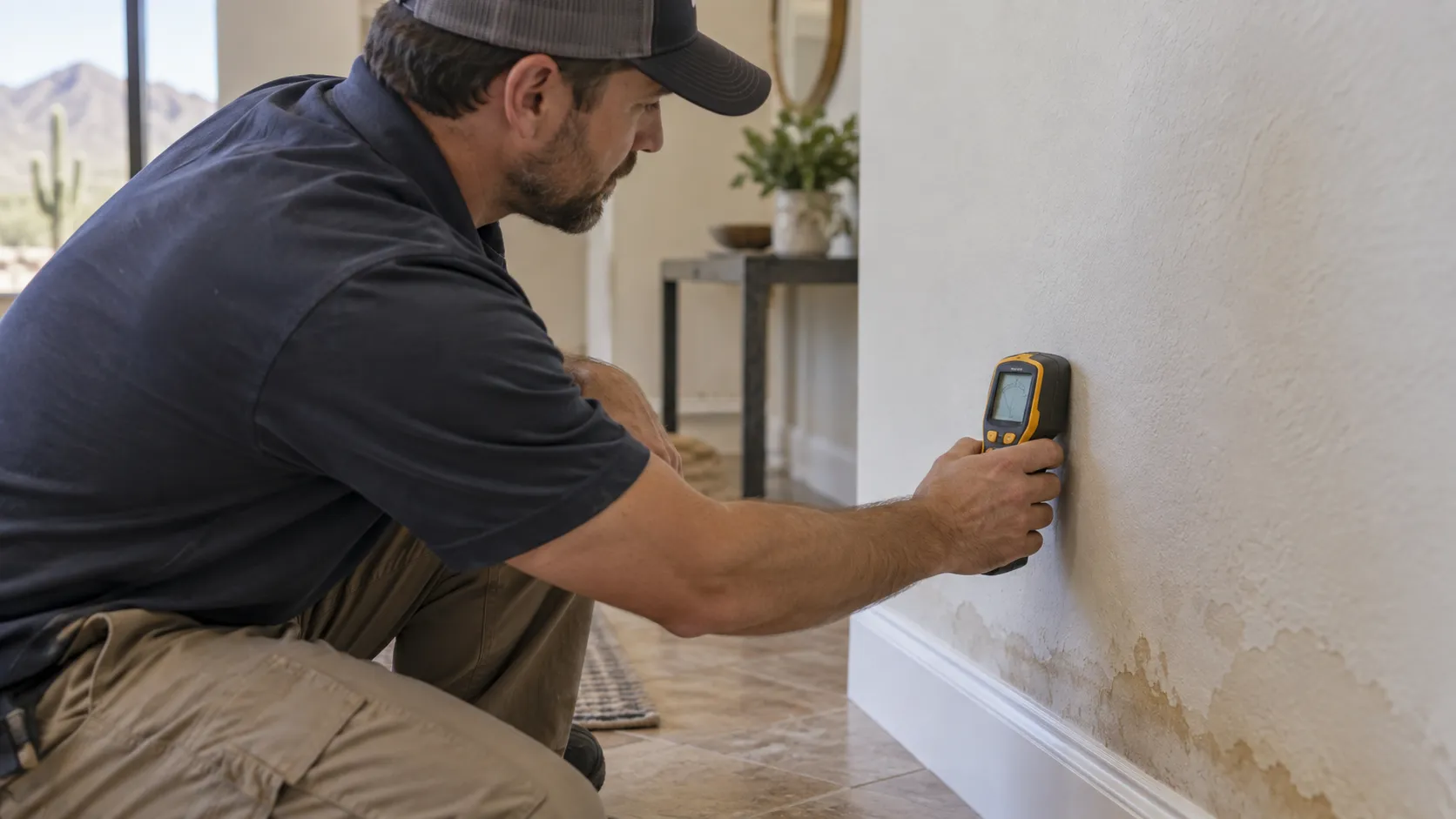 Moisture Detection & MappingLocate accessible moisture and track drying progress with recorded measurements.
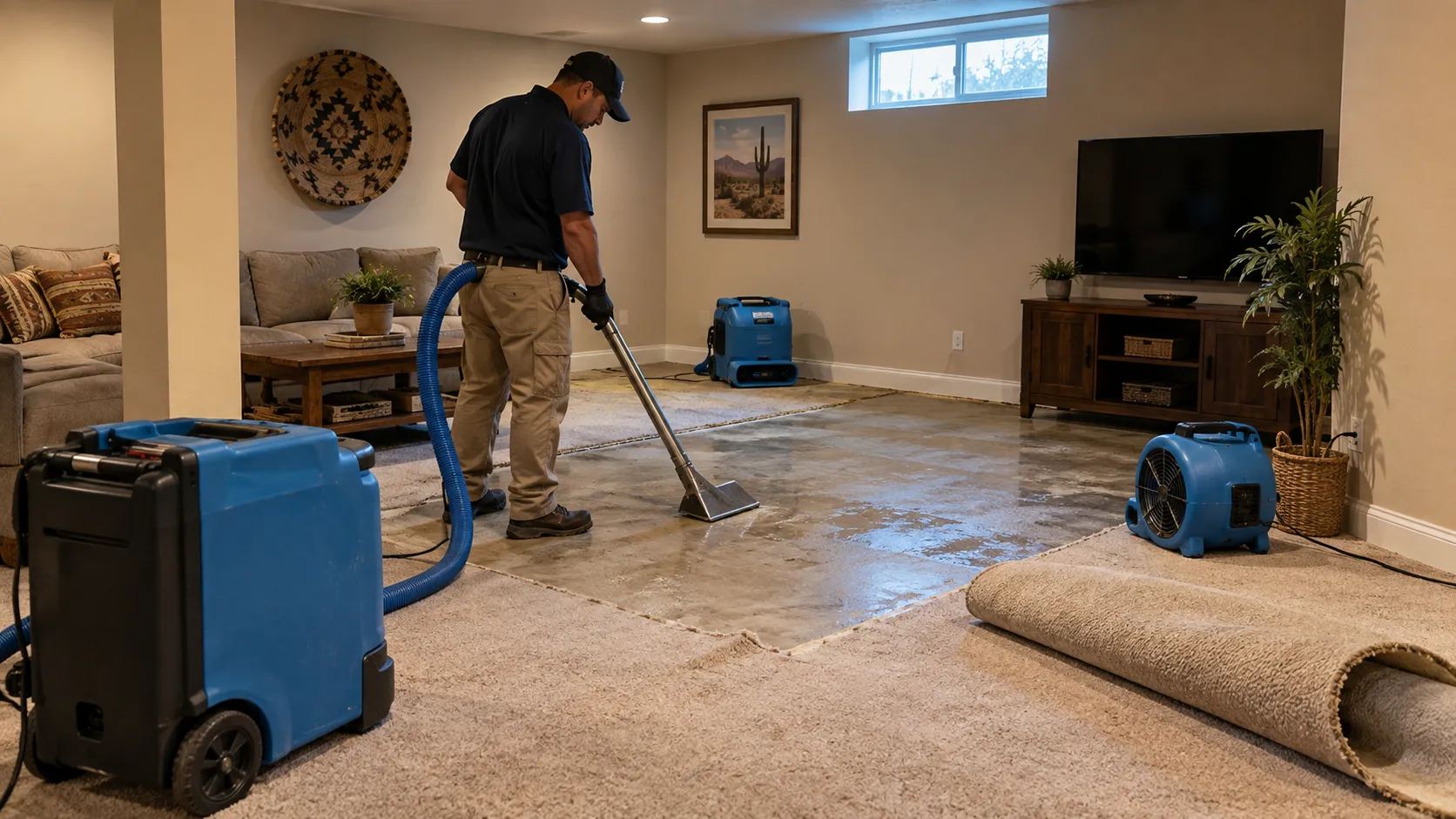 Basement Flood RestorationRemove basement floodwater and address affected materials, moisture, and damage.
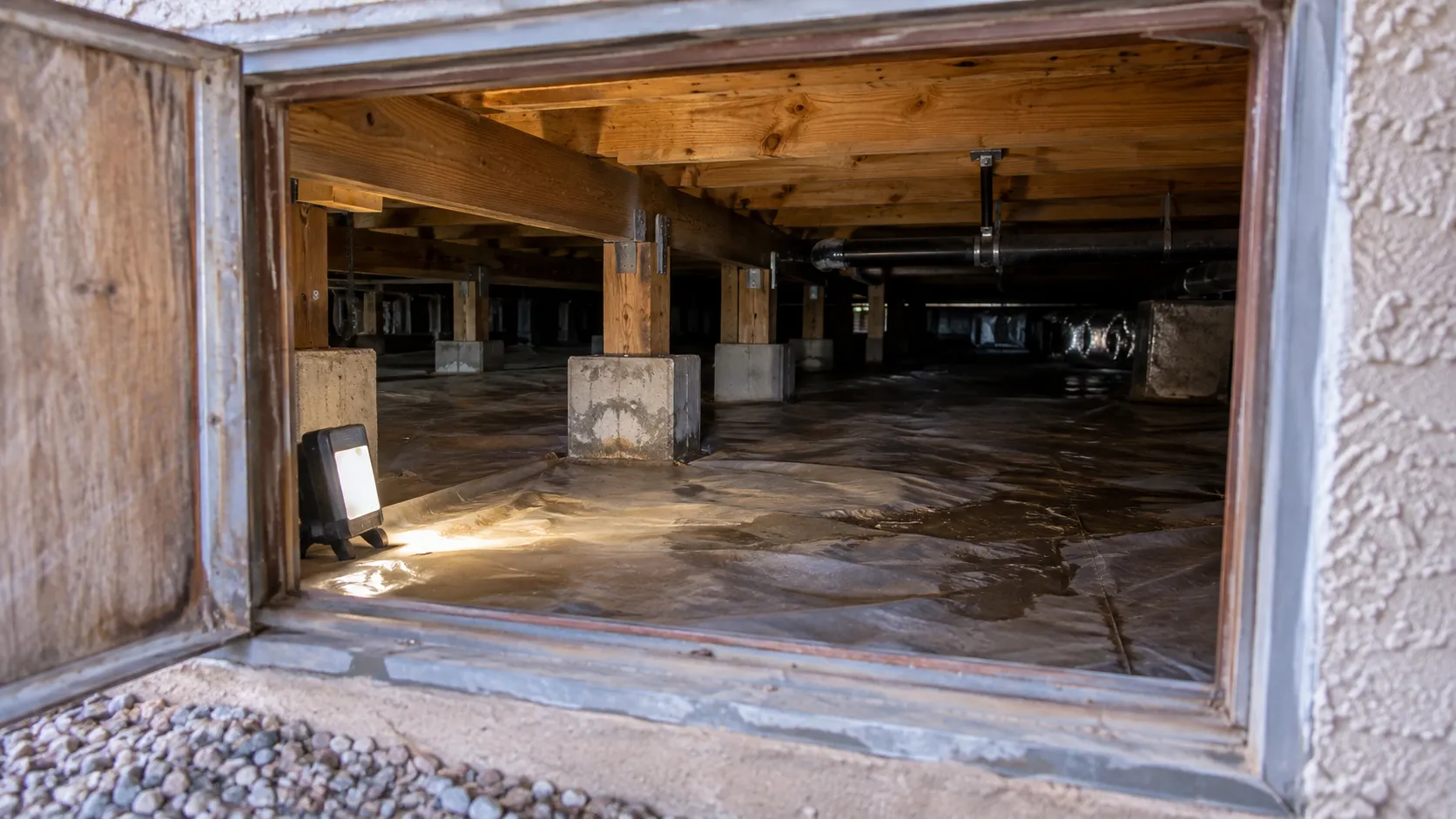 Crawl Space Flood RestorationAddress floodwater and wet materials beneath the property where access allows.
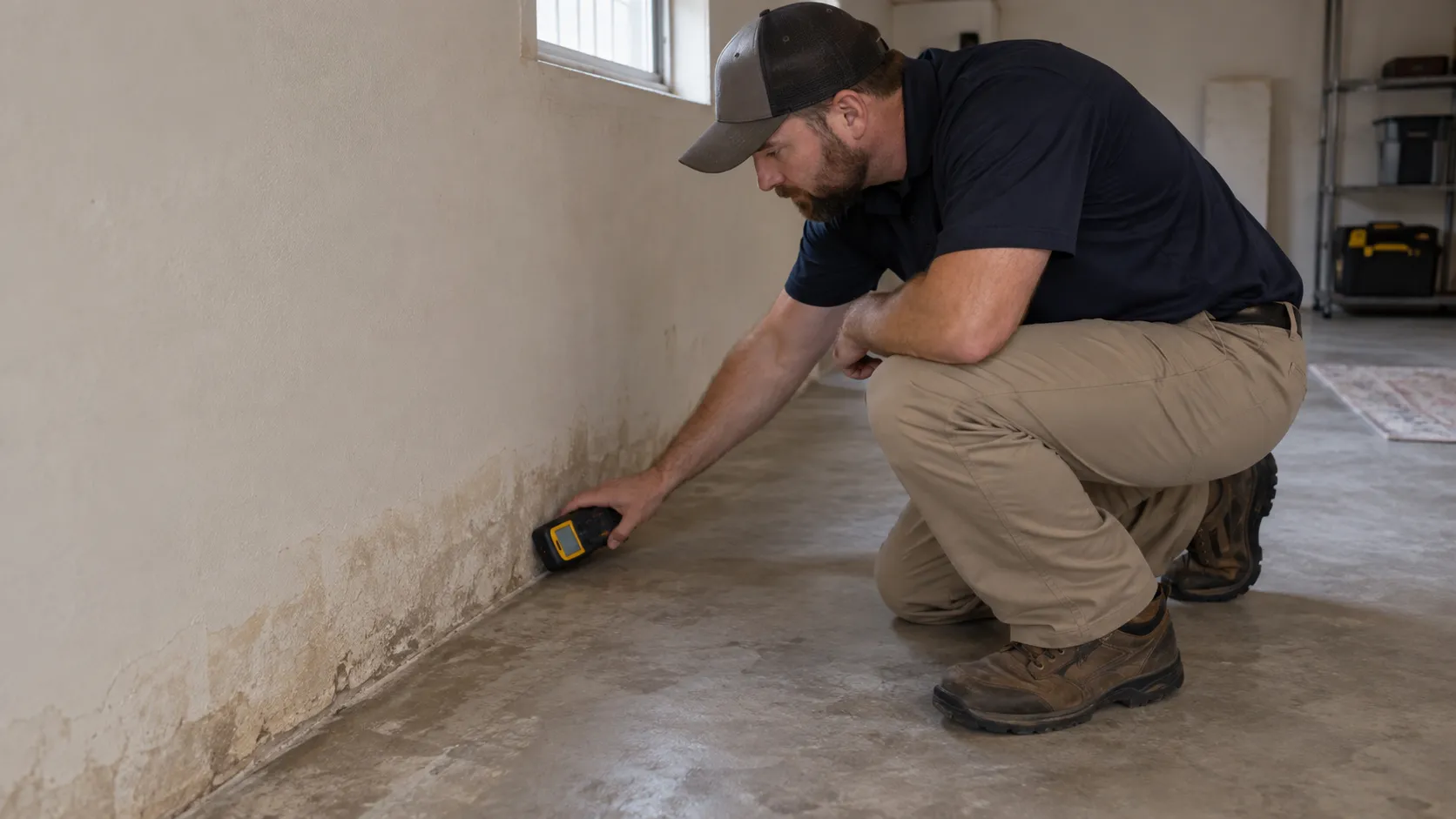 Groundwater Flood RestorationRemove water after groundwater intrusion and restore affected materials while the source receives attention.
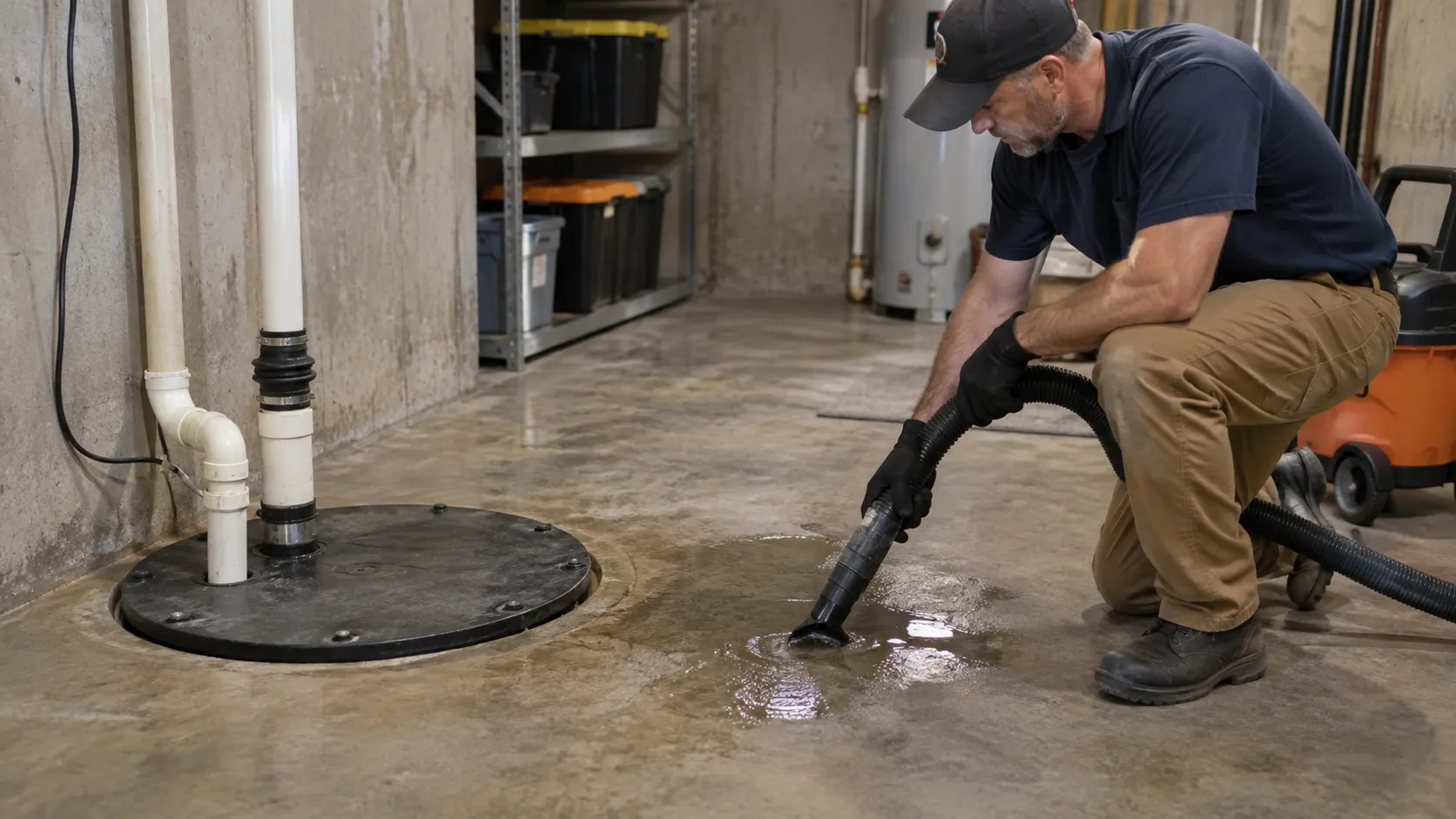 Sump Pump Failure Flood CleanupRemove floodwater and address the damage left after a sump pump failure.
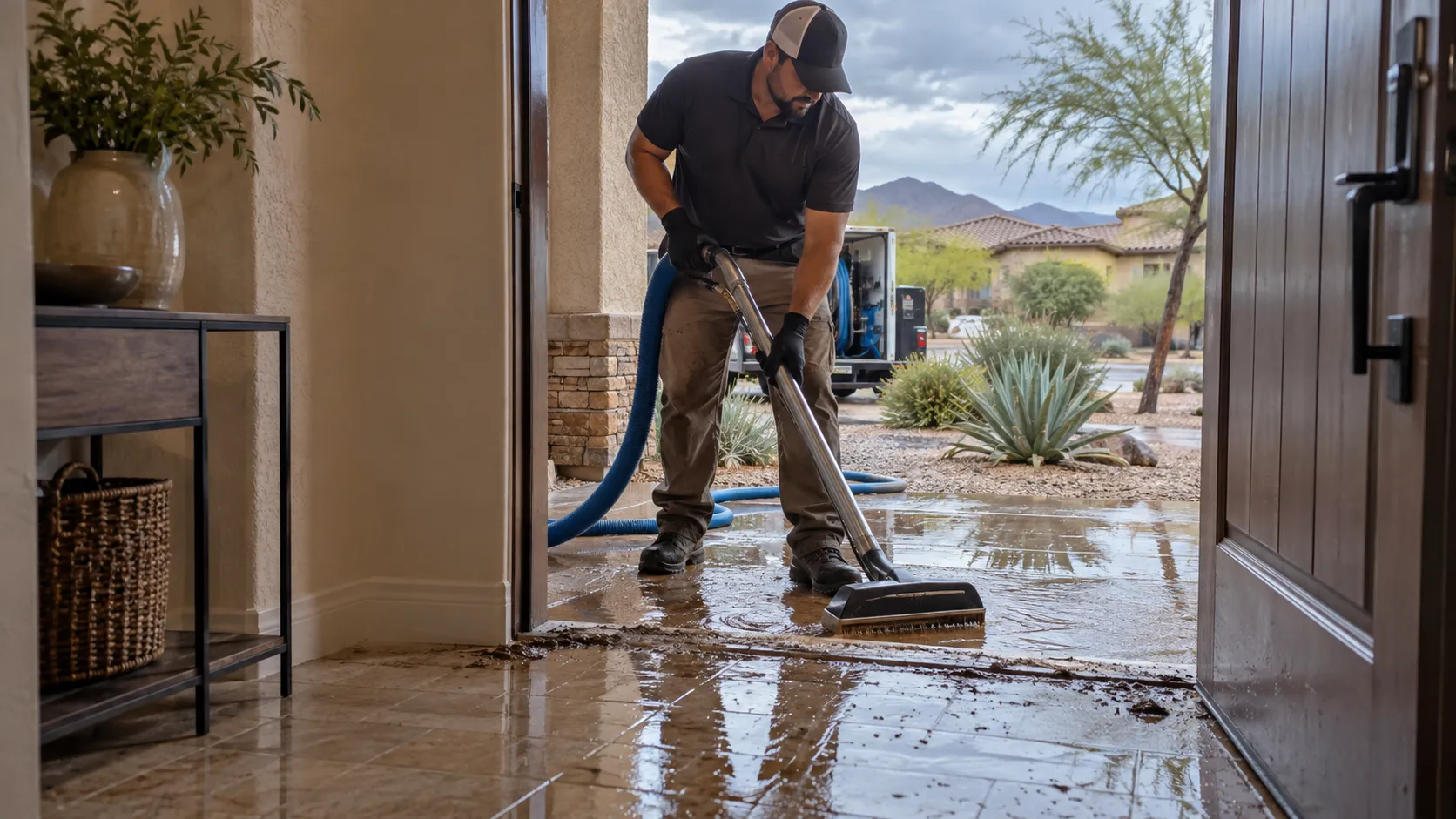 Flash Flood RestorationRecover from sudden flooding with water removal, sediment cleanup, drying, and repairs.
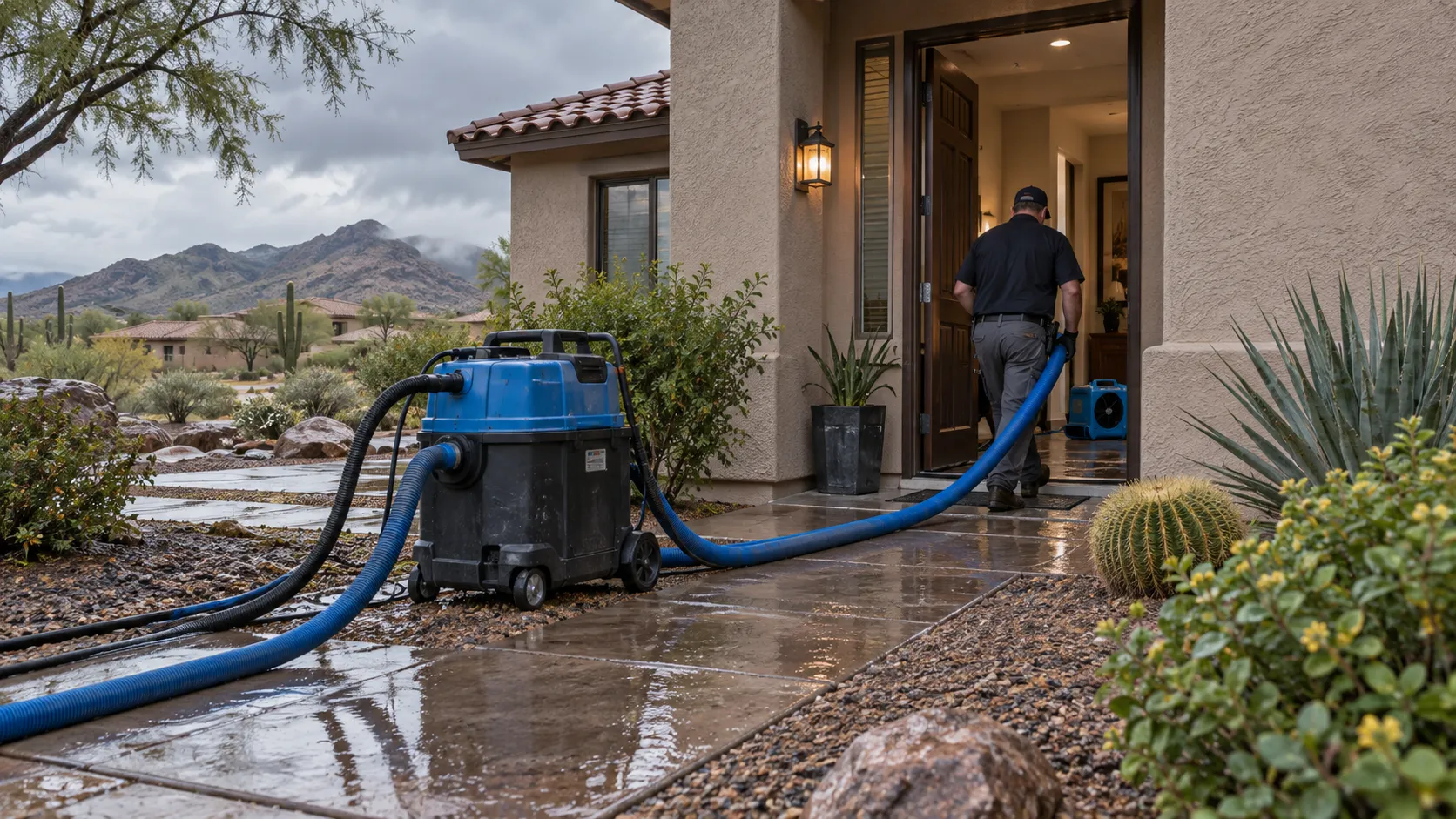 Monsoon Flood RestorationAddress water, flood residue, and property damage left by monsoon flooding.
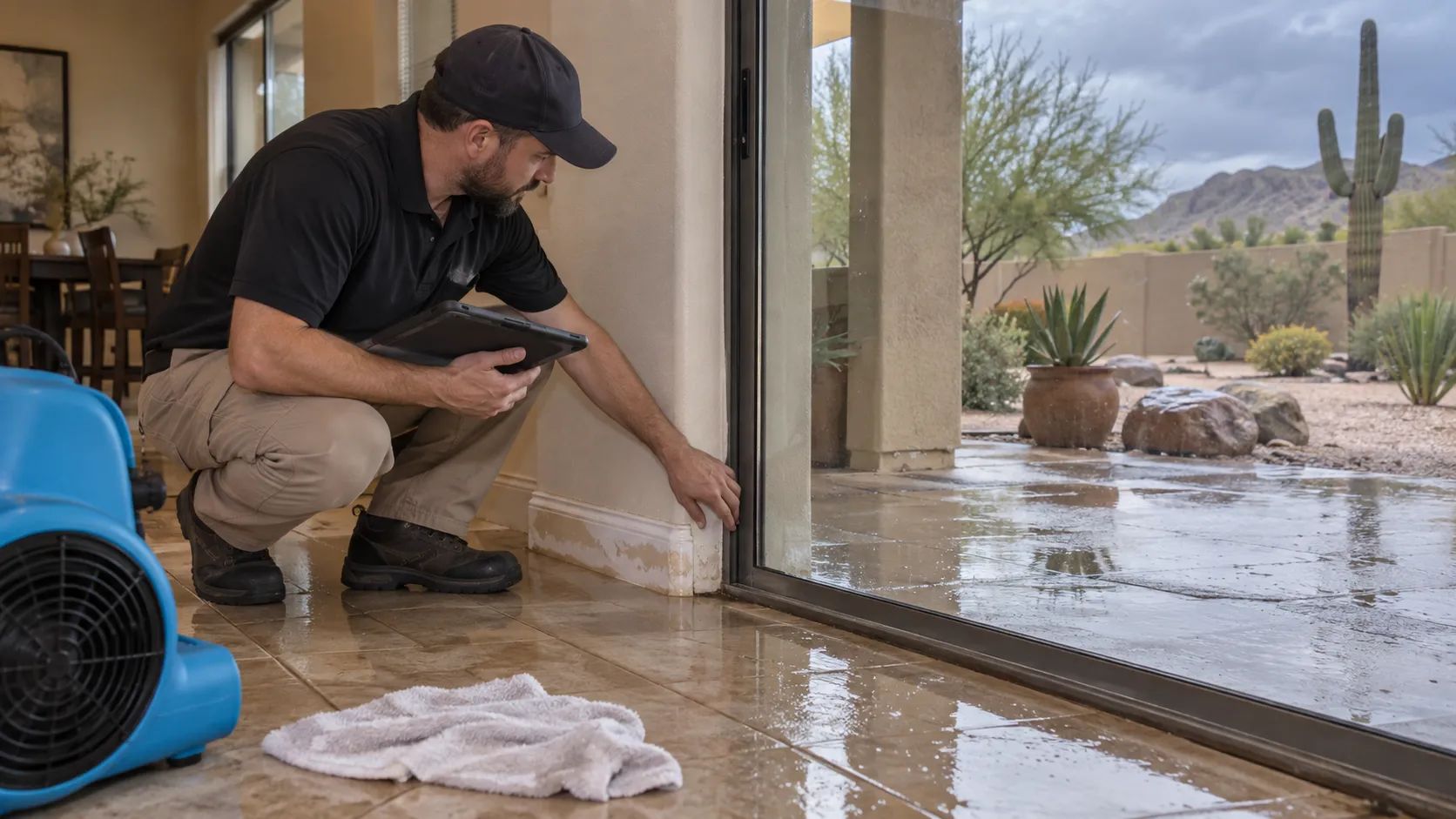 Storm Flood RestorationRemove stormwater and restore affected materials after storm-related flooding.
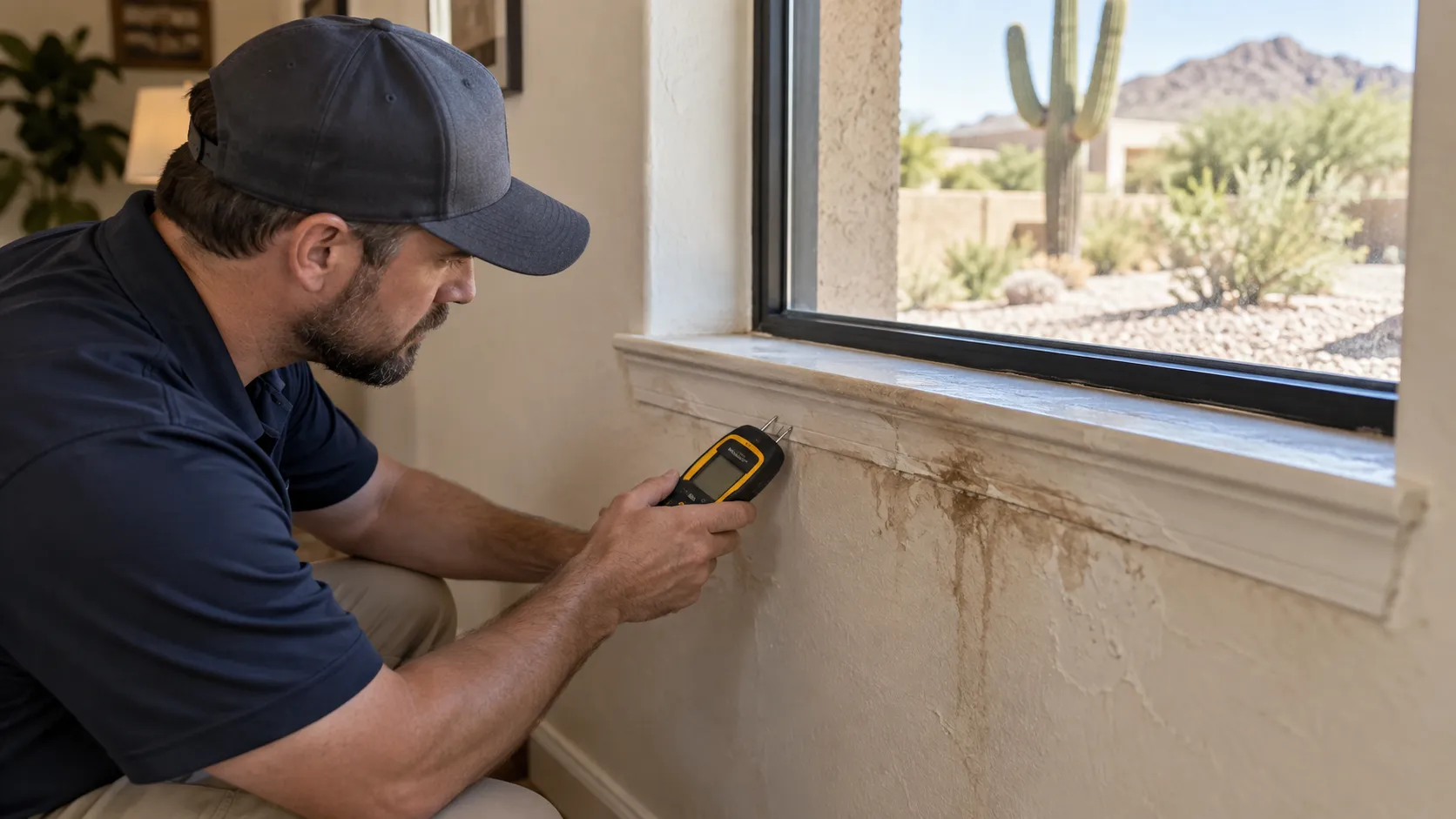 Rainwater Intrusion RestorationAddress moisture and interior damage caused by rainwater entering your property.
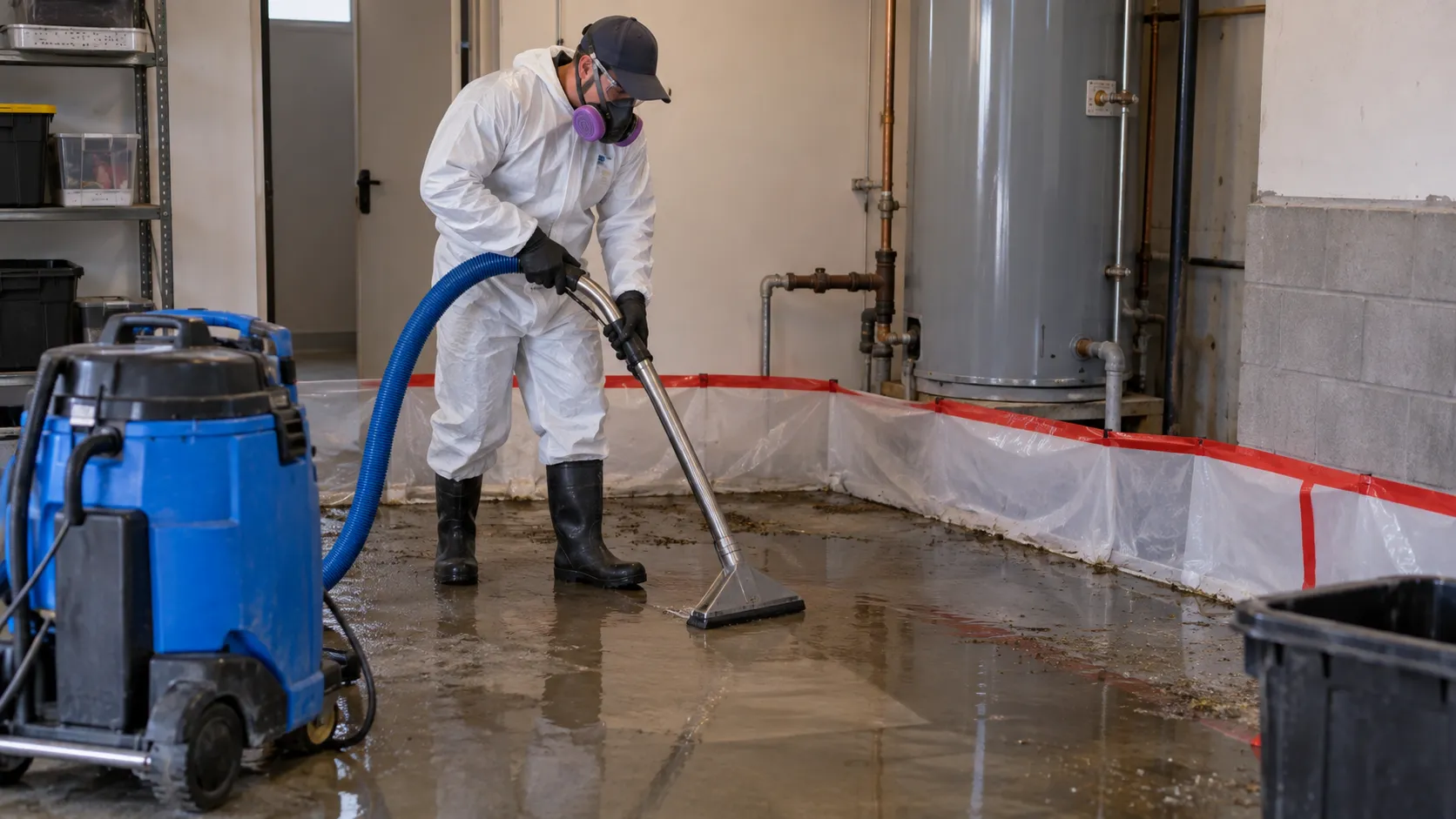 Sewage & Contaminated Flood CleanupRemove contaminated water and address exposed materials with appropriate cleanup.
Flash flooding in the Buckeye area can occur away from a storm and after rain has ended. Continued water entry needs attention, while materials already exposed may require cleaning, drying, or replacement.
Floodwater can leave sediment and residue that extraction alone does not remove. Cleanup and material assessment establish what can be treated and what needs removal.
Drying prepares suitable materials for the next stage; it does not restore every damaged finish. The remaining condition determines the necessary repairs.
The conversation covers the property address, the water problem, and your immediate concerns. Emergency help is available 24/7 with a 25-minute on-site response.
The assessment checks the water source, accessible moisture, and material damage. It identifies the necessary cleanup and whether further water entry needs attention.
Accumulated water is extracted and suitable surfaces are cleaned. Materials that cannot reasonably be restored are identified for removal where needed.
Air movement and dehumidification help dry recoverable materials. Follow-up moisture readings show where drying is progressing and where further work is needed.
Once retained materials are ready, damaged finishes and building materials are repaired or replaced as needed. Reconstruction addresses physical damage that cleanup and drying cannot correct.
Assessment findings identify affected materials and accessible moisture. They help explain why particular areas need cleaning, drying, removal, or repair.
The proposed work connects those findings to specific tasks. Immediate water removal is distinguished from the drying and repairs that follow.
Moisture readings help show whether recoverable materials are drying. Remaining wet areas can receive further attention before repairs cover them.
Material condition determines what remains after cleanup and drying. Dryness alone does not mean a swollen or deteriorated finish has been restored.
Service is available throughout Buckeye, including Verrado and Sundance. Flood restoration is available in both listed Buckeye postal areas.
Flood restoration is available in these Buckeye-area ZIP codes. Postal areas can extend across municipal boundaries.
Emergency service is available 24/7 with a 25-minute on-site response. That timeframe means arrival, not completion of cleanup, drying, or repairs.
Coverage includes Verrado and Sundance and the Buckeye-area postal codes listed on this page. These include 85326, 85396. Service comes from our Phoenix office.
Further assessment may be needed. Floodwater can leave residue, absorbed moisture and physical damage after it recedes. Those findings determine the cleaning, drying and repairs required, while any continuing entry needs separate attention.
Yes, it needs assessment. Water appearance does not establish its source or what it contacted. Cleaning and material recommendations depend on exposure and condition.
Extraction addresses accumulated water, but deposited sediment and residue may need separate cleaning. Suitable surfaces are cleaned, while damaged or unsuitable materials are assessed for removal.
Further water entry needs to be addressed and affected materials reassessed. Earlier drying progress does not establish their current condition after another exposure.
Repairs that enclose affected retained materials need to wait until those materials are ready. Moisture checks help establish whether further drying or removal is needed first.
Not necessarily. Absorbed moisture, contamination, and material damage may extend beyond the visible water. Those findings determine the drying and repair work required.
Get floodwater, residue, and damaged materials assessed and treated. Help is available for cleanup, monitored drying, and the repair work your property needs.