
Standing basement water
Accumulated water limits access and keeps materials exposed. Appropriate extraction removes accessible water so the remaining damage can be assessed.
24/7 flood restoration in Mesa
Get help removing basement water in Mesa and checking the materials it soaked. Moisture measurements guide drying before damaged finishes are repaired.
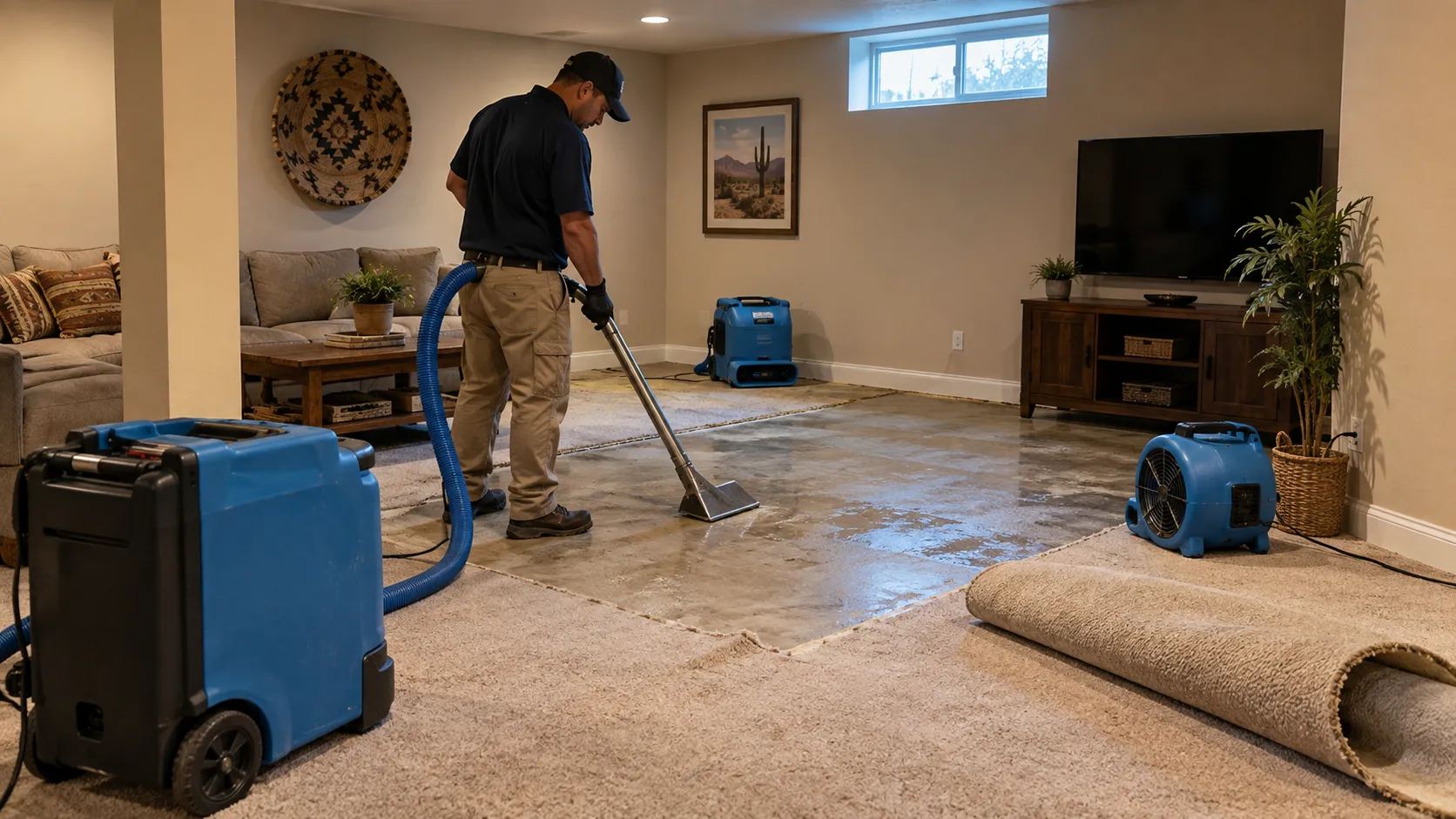
Standing water can conceal electrical hazards and damaged surfaces. Access conditions must be evaluated before extraction or other restoration work begins.
Accumulated water limits access and keeps materials exposed. Appropriate extraction removes accessible water so the remaining damage can be assessed.
Flooring, drywall and other finishes may stay wet after pumping. Moisture checks help identify the drying needed beyond the visible floodwater.
Contents can absorb water differently from the building around them. Belongings need separate assessment for cleaning, drying or replacement.
Drying cannot reverse every type of deterioration. Materials that remain swollen, separated or otherwise damaged may need repair or replacement.
The initial conversation covers your Mesa address, the flooding and known access concerns. Emergency help is available 24/7 with a 25-minute on-site response.
The inspection considers accessible water, affected construction, belongings and signs of continuing entry. These findings guide the work.
Equipment removes accessible standing water. Cleanup and any necessary material removal address the exposure left after pumping.
Air movement and dehumidification support suitable materials. Moisture measurements help determine whether drying is progressing.
Once cleanup and drying requirements are addressed, the remaining physical damage determines the building repairs or replacement work needed.
Pumping and extraction are selected for the water present and available access. Continuing entry is considered as removal proceeds.
Cleaning addresses residue on suitable surfaces. Water exposure and material condition determine whether affected components can be cleaned or need removal.
Drying equipment addresses absorbed moisture in recoverable building materials. Follow-up checks help establish where further drying is required.
Restoration can address damaged finishes after appropriate cleanup and drying. The work depends on the materials that cannot be restored through drying alone.
Inspection findings identify accessible building damage and relevant contents concerns, including areas that need further investigation.
The work distinguishes water extraction from residue cleaning and damaged-material removal, so each part of the loss is addressed.
Measurements help explain which materials are drying and which still need attention before finishing work.
A clear repair plan identifies physical damage that persists after moisture has been addressed. It does not assume drying restores every finish.
Interior restoration does not automatically repair drainage, waterproofing or plumbing problems. Those causes may require separate specialist work.
A dry building surface does not establish that nearby belongings have recovered. Contents cleaning and drying require their own assessment.
Retained materials need suitable moisture and cleanup conditions before new finishes conceal them. Source problems also need appropriate attention.
Rainwater flowing across outdoor surfaces can carry dirt and other pollutants into a Mesa property. Removing the water does not necessarily remove its residue or the moisture absorbed by building materials.
Basement Flood Restoration is available throughout Mesa, including Dobson Ranch, Eastmark, Cadence, and downtown Mesa. Emergency service is available 24/7 with a 25-minute on-site response.
Serving Mesa from our Phoenix office: 2840 S. 36th Street, Suite E-1, Phoenix, AZ 85034.
Basement Flood Restoration is available in these Mesa-area ZIP codes. Postal areas can extend across municipal boundaries.
It can include water extraction, cleanup, drying and repairs to affected basement materials. Inspection determines which work is necessary at your property.
We provide basement flood restoration in Mesa, including Dobson Ranch, Eastmark, Cadence, and downtown Mesa. Coverage includes 85201, 85202, 85203, 85204 and the other ZIP codes listed here. Service comes from our Phoenix office; postal areas can cross municipal boundaries.
Yes. Water that collected soil or other contaminants can change cleaning and removal needs. Basement materials and belongings require assessment before deciding what can be cleaned and dried.
No, not usually. Absorbed moisture, residue and damaged materials may remain after pumping. Those conditions determine the drying, cleaning and repair work still needed.
Yes. Contents have different cleaning and drying limits from building materials. Each item's condition and exposure determine whether recovery is practical.
Not automatically. Interior restoration addresses the flood damage. Waterproofing, drainage or plumbing repairs may need a separate specialist to address the cause.
The duration depends on affected materials, moisture levels, access and whether water is still entering. Follow-up measurements guide progress rather than a fixed drying period.
Repairs should not conceal moisture that needs further drying. Retained materials need suitable conditions before replacement finishes close the affected areas.
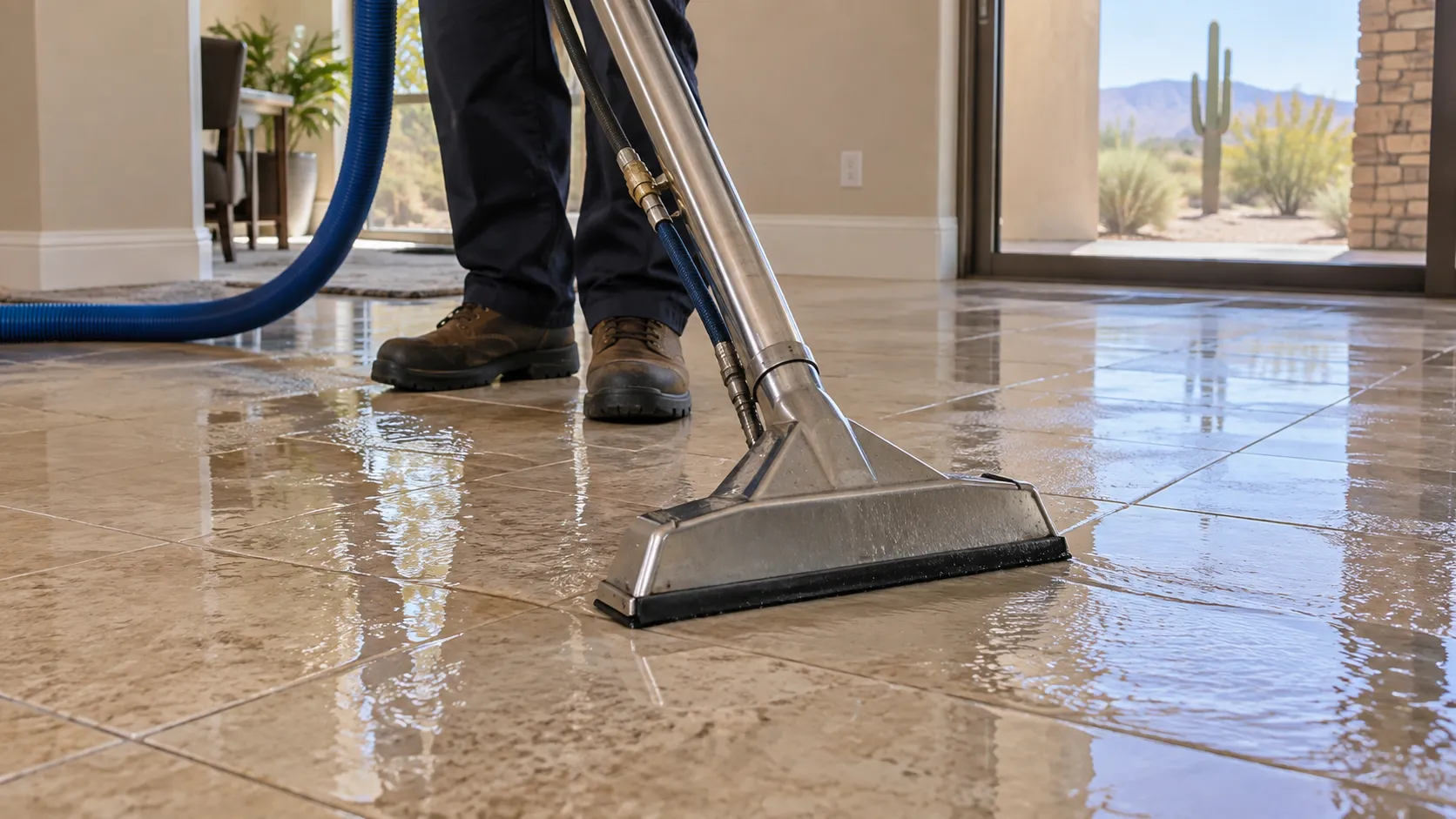 Floodwater ExtractionRemove standing water so cleanup and drying can begin.
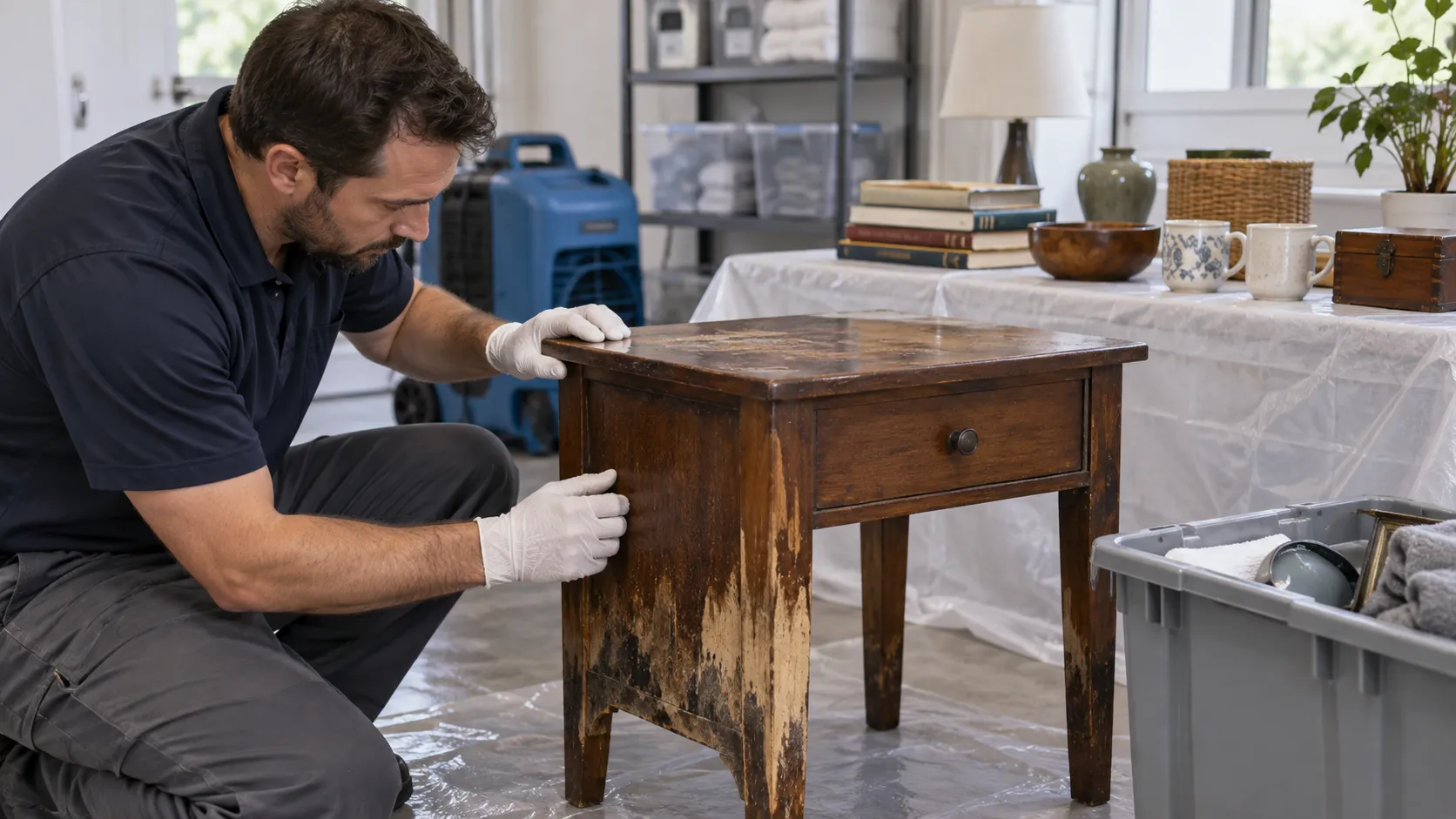 Contents Drying & RestorationAssess, clean, and dry belongings where their condition allows recovery.
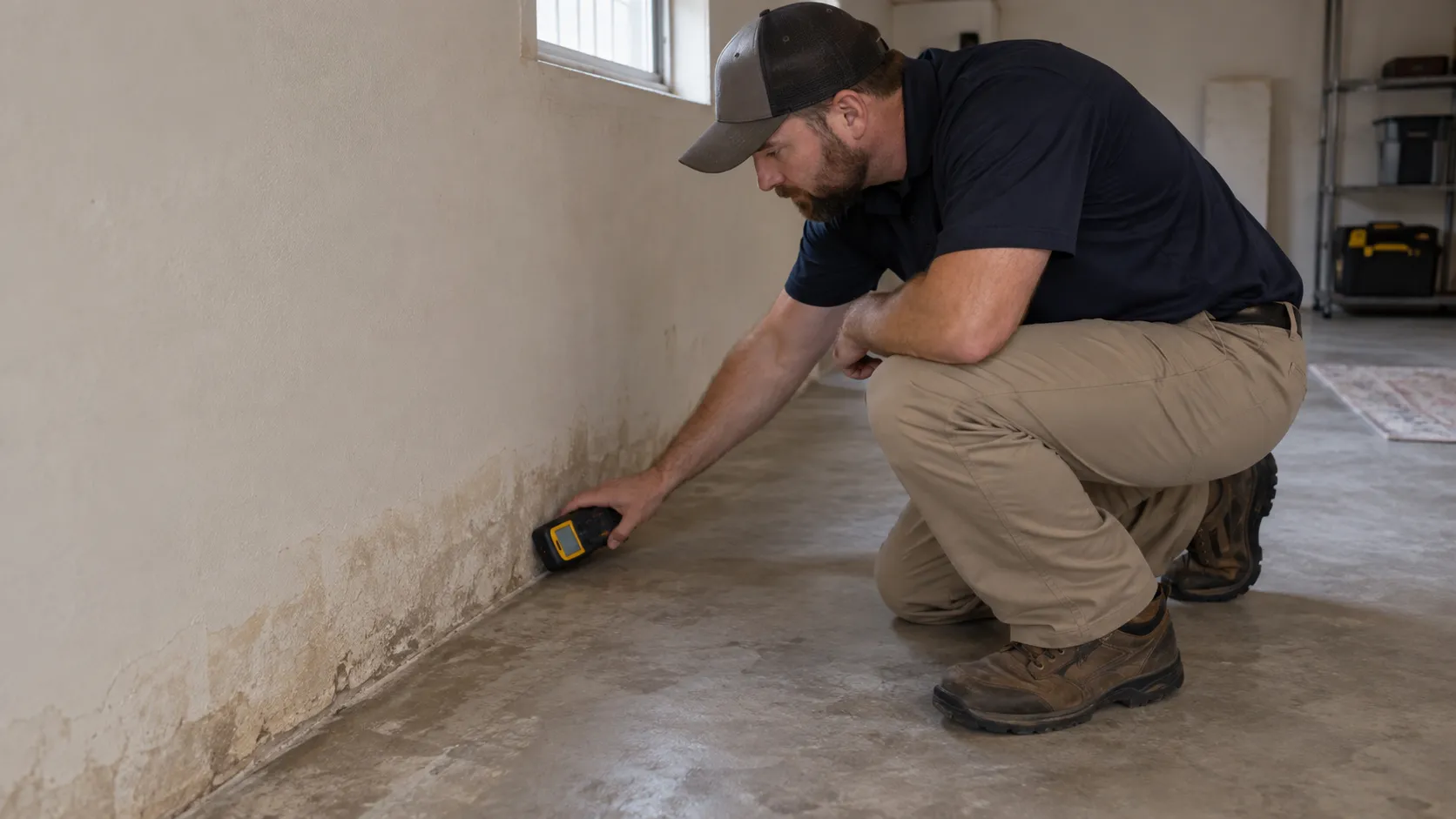 Groundwater Flood RestorationRemove water after groundwater intrusion and restore affected materials while the source receives attention.
Restore your basement with water removal, cleanup, measured drying and the repairs your property needs. Call or request service online.