Water remaining after a storm
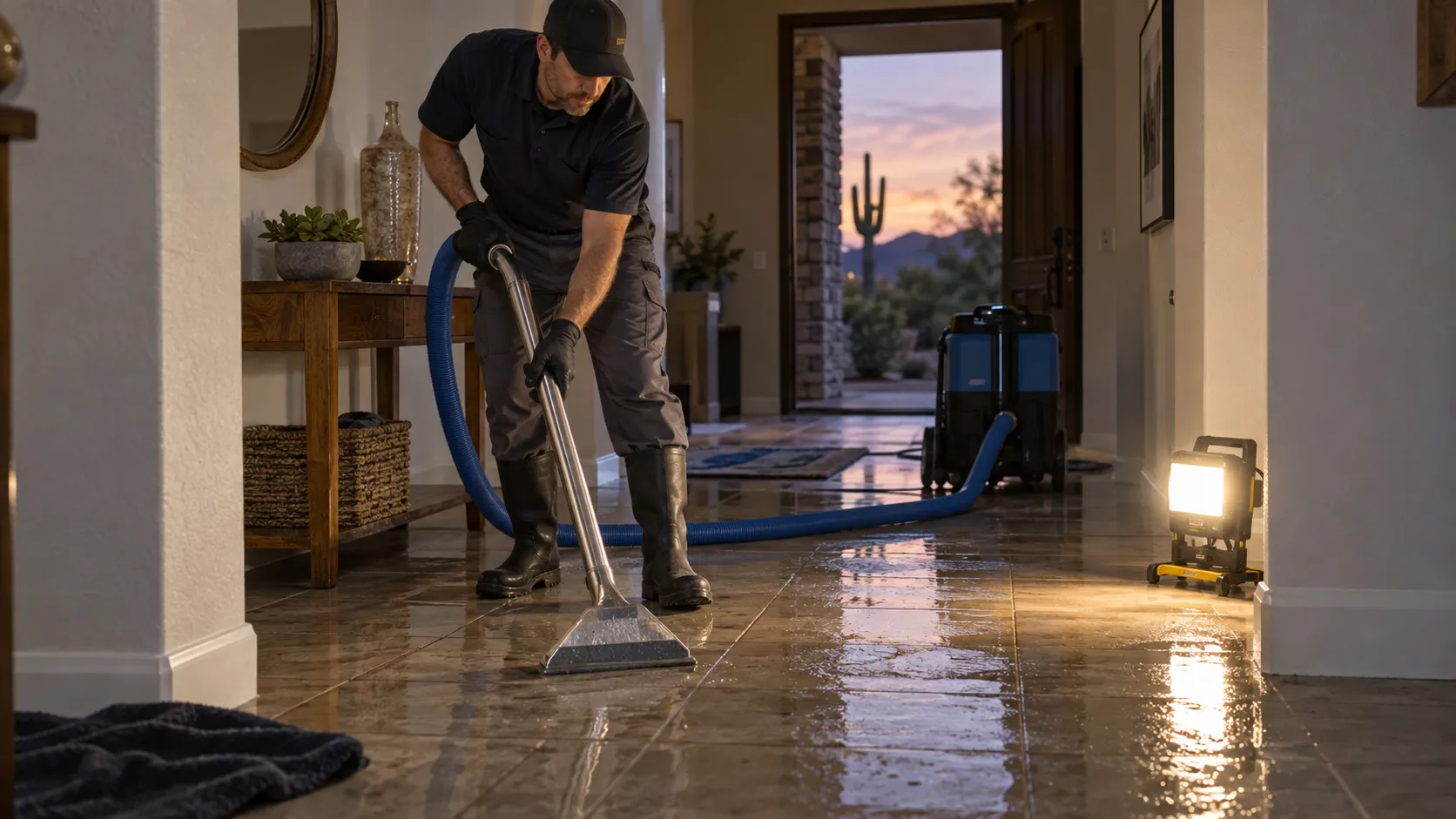
Standing water keeps affected materials exposed. Extraction removes accessible accumulation so cleanup and drying can move forward.
24/7 flood restoration in Mesa
Remove storm-related floodwater in Mesa and assess the materials it reached. Cleaning and drying needs are determined before repair work begins.
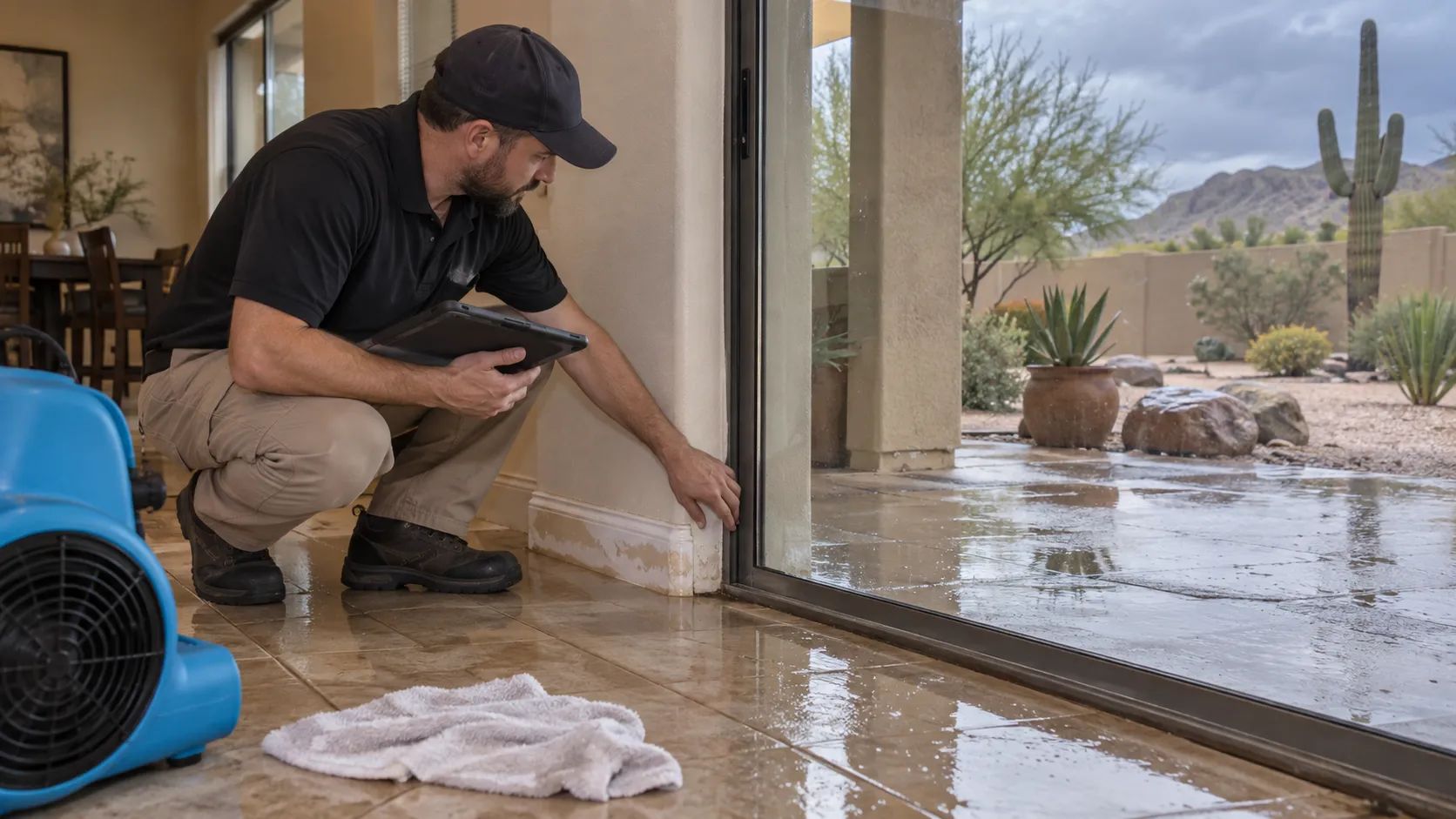
Storm damage can involve utilities, unstable materials or unsafe access. Those concerns require appropriate attention before restoration proceeds in the affected area.
Standing water keeps affected materials exposed. Extraction removes accessible accumulation so cleanup and drying can move forward.
Flooding can damage flooring, drywall and other finishes. Each affected material is assessed for cleaning, drying or replacement.
Stormwater may leave residue that needs cleaning beyond water removal. Exposure guides treatment of suitable surfaces.
Belongings and building materials can have different recovery needs. Contents assessment identifies what can be cleaned or dried separately.
The initial conversation covers your Mesa location, reported damage and immediate needs. Service is available 24/7 with a 25-minute on-site response.
Accessible affected areas are assessed for water exposure, moisture and physical damage. Findings establish the required restoration work.
Removal addresses accessible standing water. Residue and affected materials are then evaluated for cleanup and further treatment.
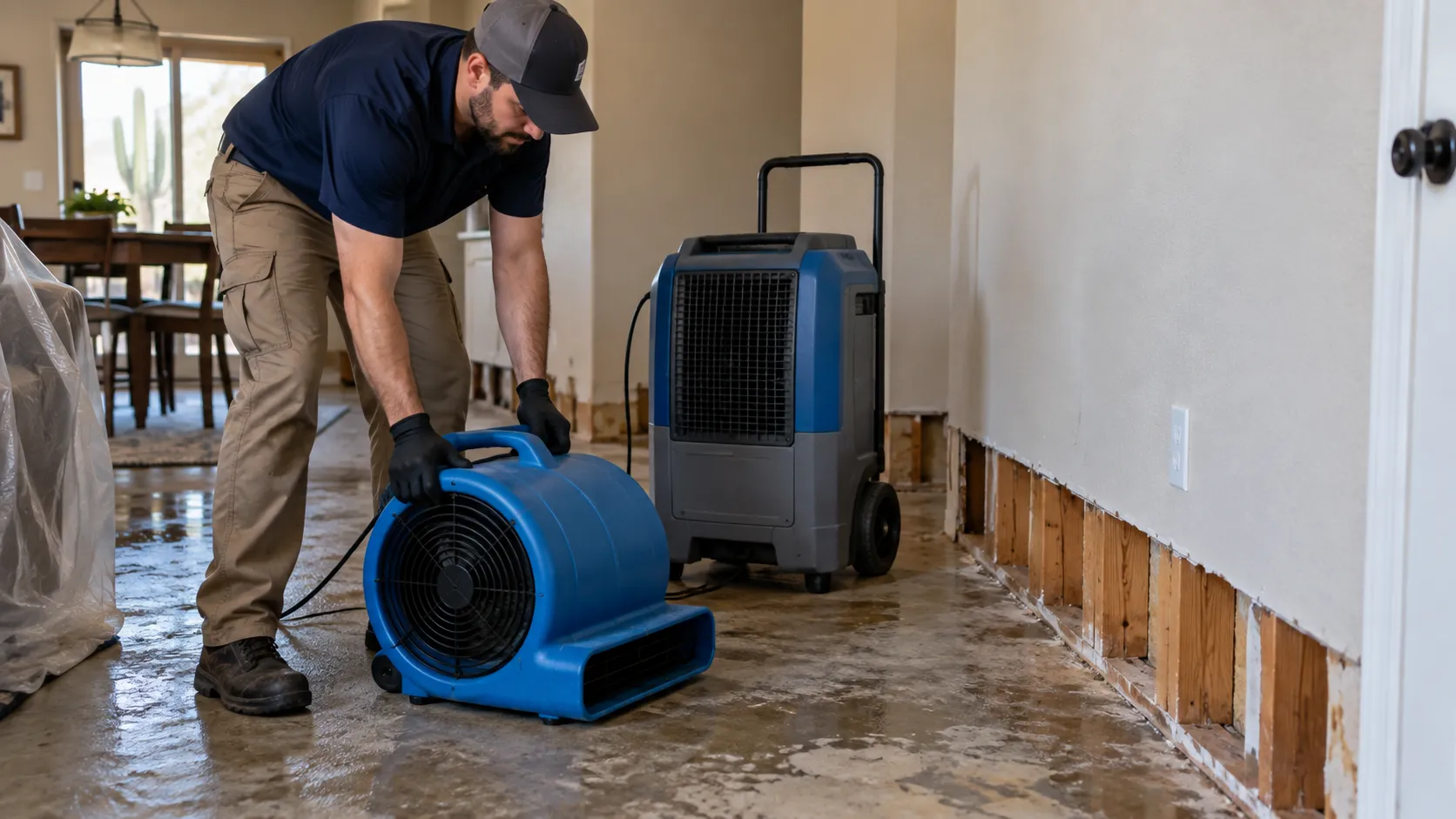
Suitable surfaces are cleaned and retained materials are dried. Follow-up moisture checks guide continued drying.
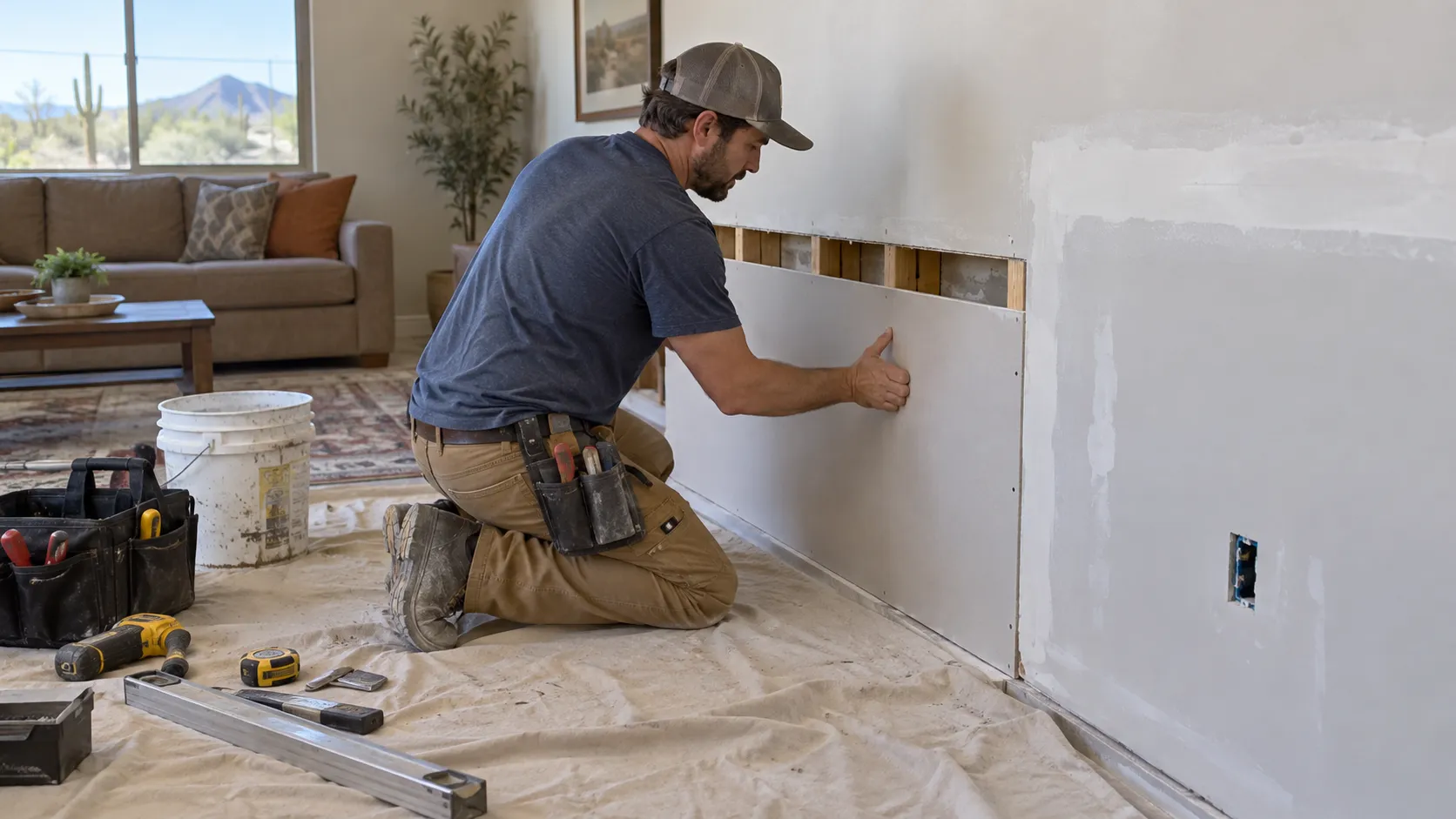
Repair and replacement work addresses finishes that cleanup and drying cannot recover. Source repairs may need separate specialist attention.
Equipment removes accessible floodwater inside the property. Methods depend on the amount present and current access conditions.
Appropriate cleaning addresses exposed suitable surfaces. Materials that cannot reasonably be cleaned or dried may require removal.
Drying equipment reduces moisture in recoverable building materials. Measurements help identify the additional drying required before repairs.
Damaged materials can be repaired or replaced after appropriate preparation. Drying does not reverse every form of physical damage.
Inspection findings distinguish affected building materials from contents concerns and areas requiring further investigation.
A defined plan connects the damage found to extraction, cleanup, drying and repairs rather than treating every task as water removal.
Moisture observations show progress in relevant materials. Readiness for repairs depends on findings, not only elapsed time.
Roofing, drainage or other repairs needed to stop entry are identified separately from work restoring the flood-damaged interior.
An unresolved entry problem can wet materials again. Correcting the cause may require another specialist alongside flood restoration.
Water-damaged belongings are assessed by their own material and exposure. Their recovery does not automatically follow the building's drying schedule.
An improved appearance is only part of recovery. Remaining moisture, cleanup and physical repairs need attention before restoration is finished.
Rainwater flowing across outdoor surfaces can carry dirt and other pollutants into a Mesa property. Removing the water does not necessarily remove its residue or the moisture absorbed by building materials.
Storm Flood Restoration is available throughout Mesa, including Dobson Ranch, Eastmark, Cadence, and downtown Mesa. Emergency service is available 24/7 with a 25-minute on-site response.
Serving Mesa from our Phoenix office: 2840 S. 36th Street, Suite E-1, Phoenix, AZ 85034.
Storm Flood Restoration is available in these Mesa-area ZIP codes. Postal areas can extend across municipal boundaries.
It can include water extraction, cleanup, drying and repairs to flood-damaged building materials. The inspection establishes which services your property needs.
We provide storm flood restoration in Mesa, including Dobson Ranch, Eastmark, Cadence, and downtown Mesa. Coverage includes 85201, 85202, 85203, 85204 and the other ZIP codes listed here. Service comes from our Phoenix office; postal areas can cross municipal boundaries.
Yes. Drying addresses moisture but does not remove deposited soil or other residue. Storm flood restoration includes suitable cleaning and assessment of materials affected by runoff.
No. It focuses on floodwater and resulting property damage. Roofing, structural concerns, utilities or other storm-related problems may need separate qualified specialists.
Yes. Extraction removes accumulated water, while drying addresses moisture absorbed into suitable materials. A property may need both before repairs begin.
That depends on access, damage, hazards and the work required. An assessment is needed; flood cleanup does not automatically establish that continued operation is appropriate.
They need separate assessment. Cleaning and drying options depend on each item's construction, exposure and physical condition, and not every item can be saved.
The amount of affected material, contamination, access, drying and necessary repairs affect the cost. An on-site assessment establishes the required work.
Get help addressing the water damage to your property, from extraction through necessary repairs. Call or request service online.