Water continuing to affect materials
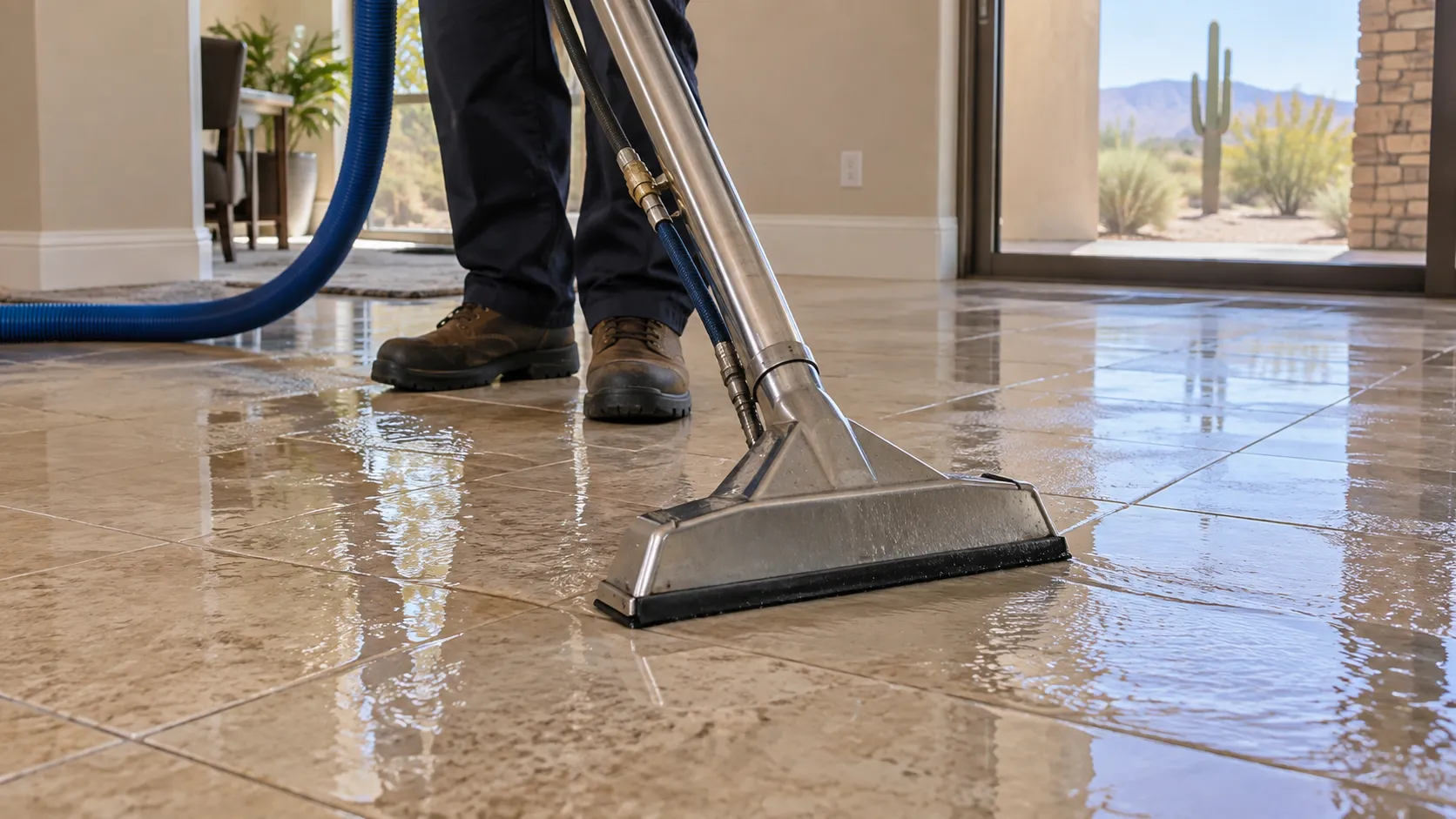
Accumulated water prolongs exposure of building finishes and contents. Extraction addresses accessible standing water as an early damage-limiting step.
24/7 flood restoration in Peoria
Get mitigation for the water and moisture still affecting your Peoria property. Prompt removal and appropriate drying help limit further damage, with remaining reconstruction identified as a separate stage.
Mitigation addresses immediate water and material conditions. Damaged finishes can still need repair or replacement after the drying work is complete.
Accumulated water prolongs exposure of building finishes and contents. Extraction addresses accessible standing water as an early damage-limiting step.
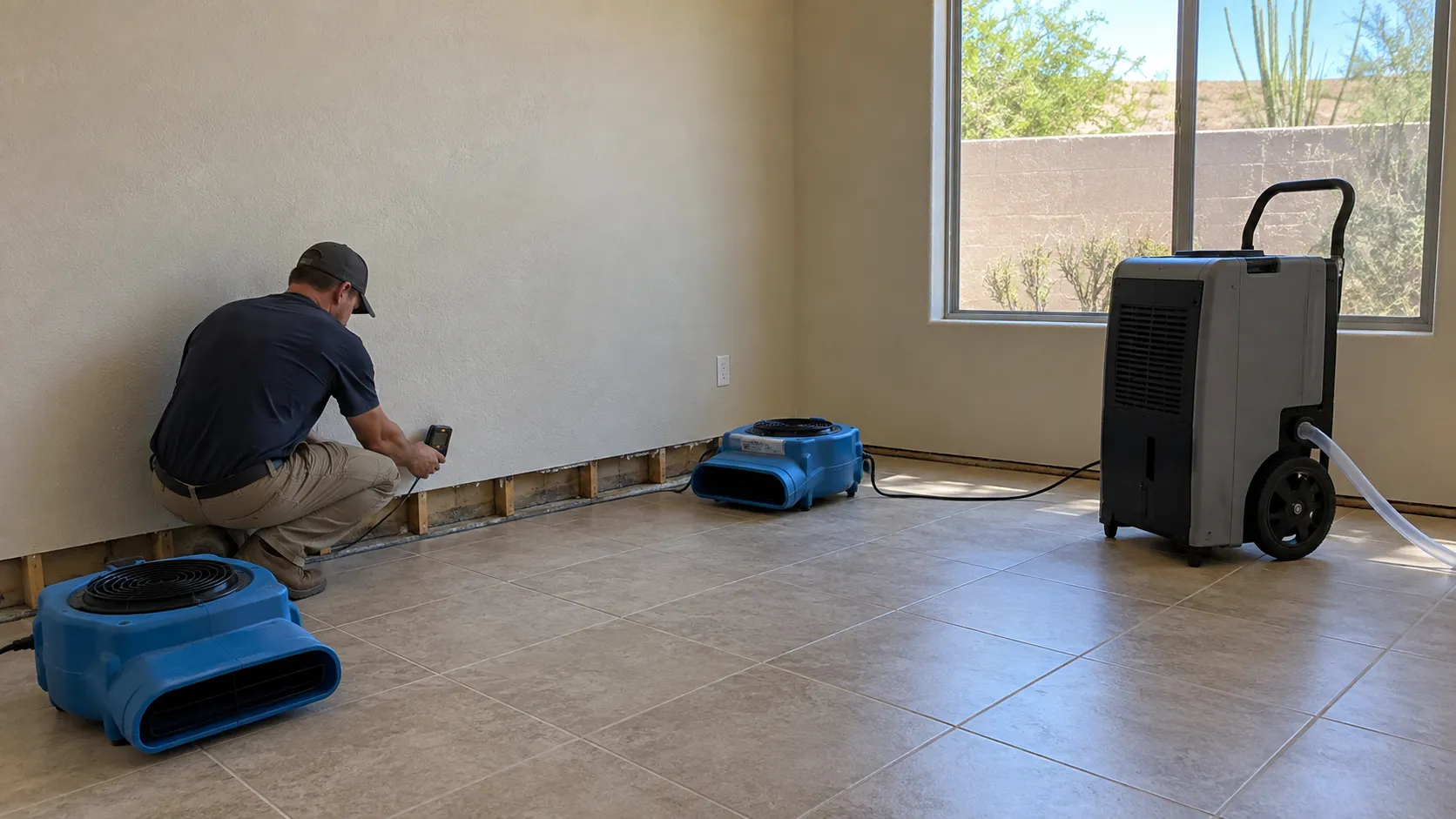
Materials may remain wet after extraction. Moisture checks identify where controlled drying is needed rather than relying on visible improvement alone.
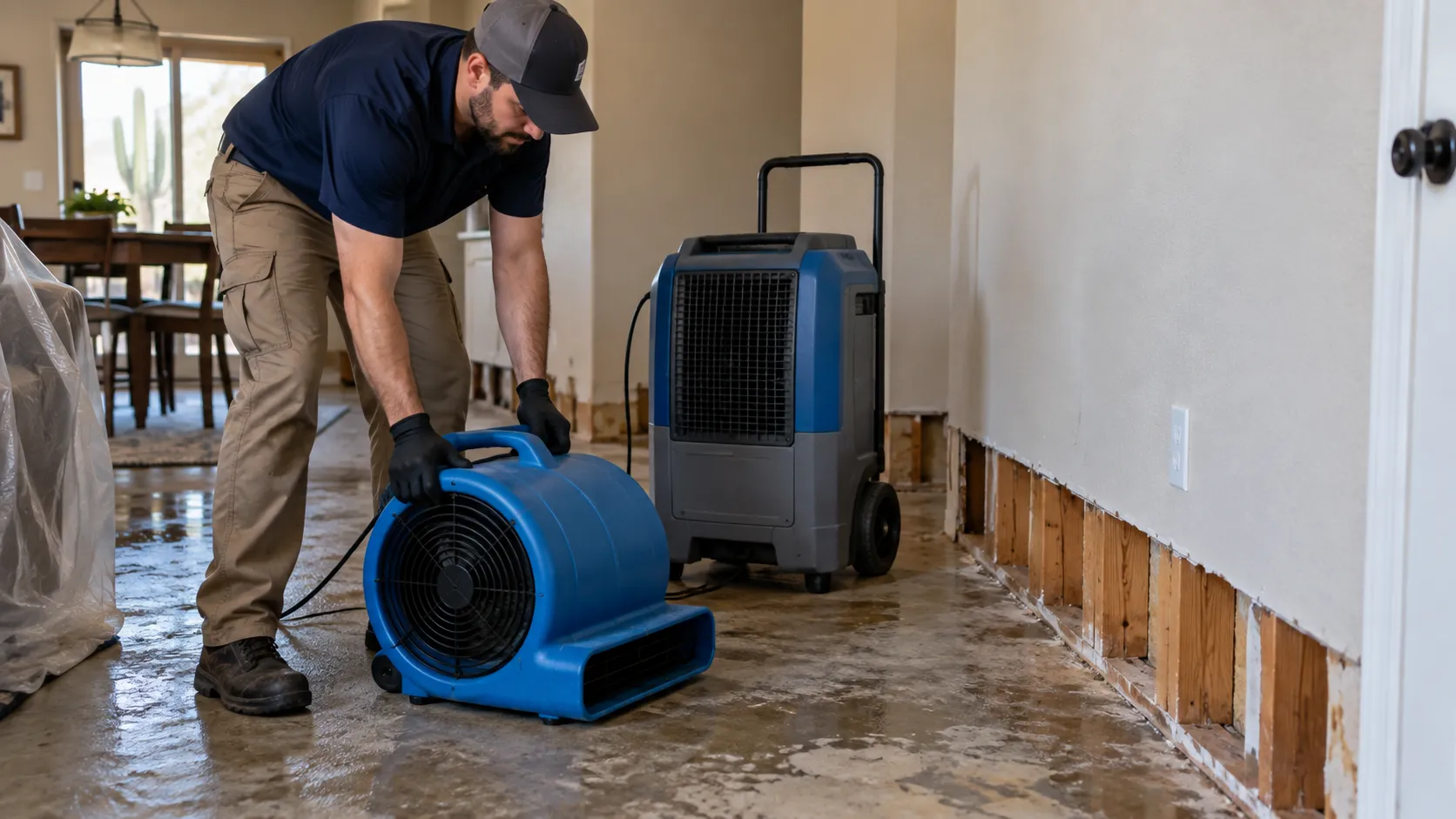
Exposure and deterioration can make removal necessary. Assessment identifies those materials so they do not obstruct appropriate cleanup or drying of retained construction.
Continued water entry can undermine drying and affect additional materials. The source needs attention alongside the restoration work, with specialist repairs where required.
The initial conversation covers your Peoria property, the flooding, and any continuing entry. Emergency help is available 24/7 with a 25-minute on-site response.
On-site checks identify accessible standing water, moisture, and damaged materials. The findings establish the first practical steps to address continuing exposure.
Extraction removes accumulated water. Cleaning and appropriate material removal prepare retained construction for drying rather than leaving damaged finishes untreated.
Air movement and dehumidification support drying. Measurements track progress and identify areas requiring further attention or improved access.
Remaining moisture and physical damage are assessed before repairs. The next work is distinguished from mitigation already completed.
The assessment identifies water and material conditions requiring prompt attention. It provides a practical starting point without assuming every affected material needs identical treatment.
Extraction reduces accumulated water, while cleanup addresses flood residue. Both prepare the property for closer material assessment and appropriate drying.
Removal is considered where exposure, deterioration, or restricted access makes it necessary. Suitable materials are assessed for drying rather than automatically discarded.
Moisture measurements guide drying of retained materials. Results help identify whether work is progressing or whether the approach needs adjustment before repairs.
The findings explain which water and material problems need attention first. They separate urgent mitigation from later replacement of damaged finishes.
Condition records explain why some materials need removal and others can be dried. The decisions follow exposure and damage rather than a blanket assumption.
Repeat measurements show changes in retained materials. Persistent moisture remains visible in the work plan instead of being overlooked when surfaces appear improved.
A remaining-work list identifies physical damage not resolved by drying. It explains the reconstruction needed after the immediate water conditions are addressed.
Mitigation cannot repair every cause of water entry. Plumbing, roofing, or drainage work may be necessary to avoid renewed exposure during drying.
Outside water and sewage-related losses can require different cleanup from a limited clean-water release. The source and materials affected guide the work.
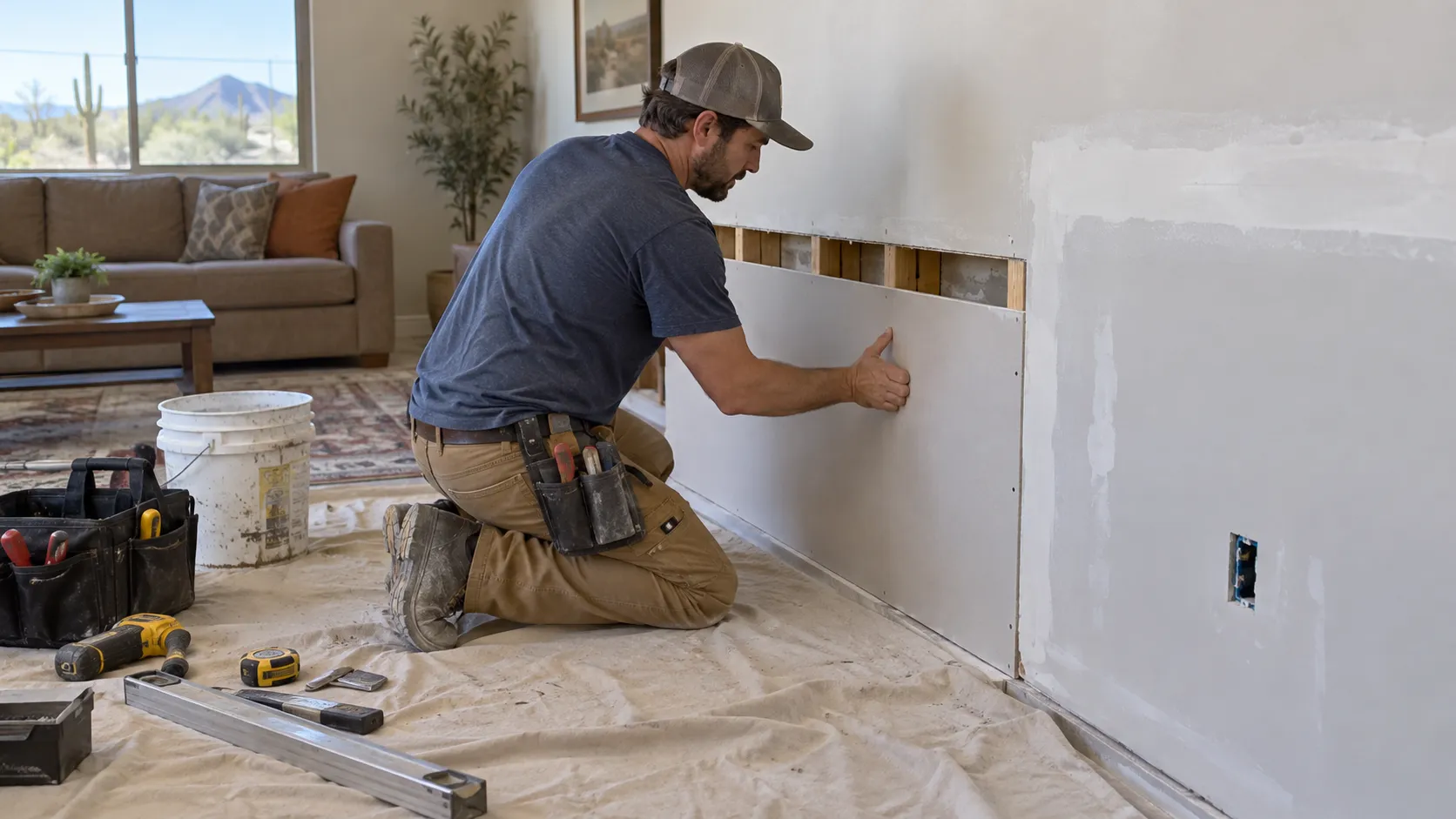
Drying removes moisture but does not reverse all physical damage. Repair or replacement addresses the finishes that cannot be restored by cleanup and drying.
Storm-related flooding in the Peoria area can affect a property even when conditions improve outside. Water exposure, residue, and moisture in building materials determine what restoration work is needed.
Flood Damage Mitigation is available throughout Peoria, including Vistancia, Desert Harbor, and Westbrook Village. Emergency service is available 24/7 with a 25-minute on-site response.
Serving Peoria from our Phoenix office: 2840 S. 36th Street, Suite E-1, Phoenix, AZ 85034.
Flood Damage Mitigation is available in these Peoria-area ZIP codes. Postal areas can extend across municipal boundaries.
It is the immediate work used to address water and material conditions that can contribute to further damage. It can include extraction, cleanup, appropriate material removal, and drying.
We provide flood damage mitigation in Peoria, including Vistancia, Desert Harbor, and Westbrook Village. Coverage includes 85345, 85373, 85381, 85382 and the other ZIP codes listed here. Service comes from our Phoenix office; postal areas can cross municipal boundaries.
Yes. Absorbed moisture and affected materials can continue to need attention. Assessment identifies remaining cleanup and drying work instead of using the absence of puddles as proof the problem is resolved.
Phoenix Flood Restoration provides 24/7 service with a 25-minute on-site response in Peoria. The assessment determines which damage-limiting work can begin under the conditions present.
Mitigation addresses the immediate water and moisture problem. Reconstruction repairs or replaces damaged building finishes afterward; completing drying does not automatically repair physical damage.
Contamination, physical damage, or limited access can make removal appropriate. The decision depends on the material and exposure, not an assumption that everything wet must be discarded.
No. Prompt moisture-related work is important, but it cannot provide a blanket guarantee about every condition or future problem. Any observed concern needs appropriate assessment.
Repairs should follow appropriate cleanup and assessment of retained moisture. Covering an unresolved wet area can conceal the problem rather than complete restoration.
Get help addressing standing water, affected materials, and remaining moisture before repairs. Call 24/7 for a 25-minute on-site response, or request mitigation service online.