
Accumulated floodwater
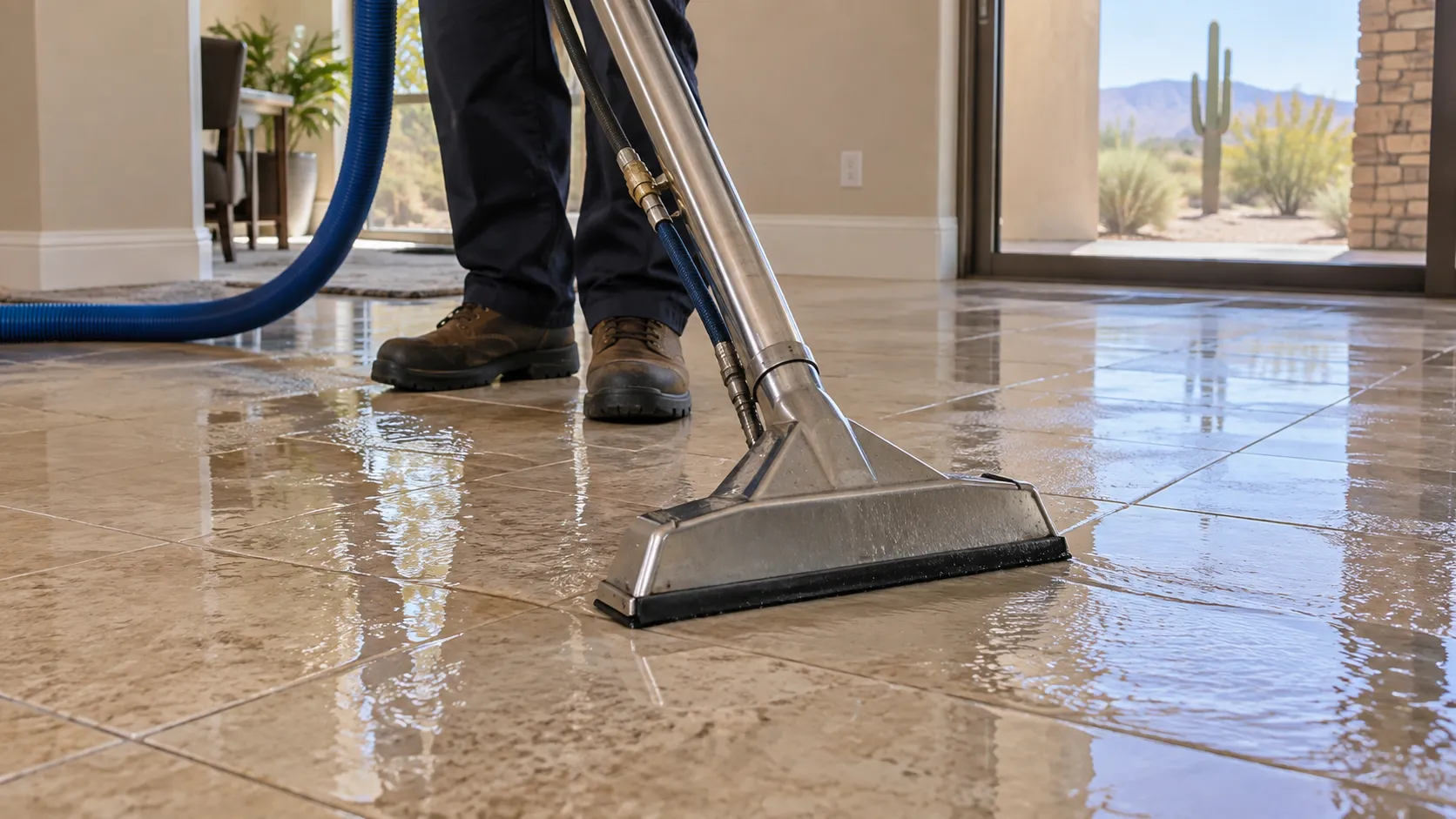
Pumping and extraction remove accessible standing water. The method depends on the amount present, the surfaces affected, and the available access.
24/7 flood restoration in Tempe
Get floodwater extraction in Tempe to remove accessible accumulation and prepare for cleanup. The assessment considers access and affected materials rather than assuming every water-removal job needs the same approach.
Ongoing plumbing, drainage, or exterior-entry problems can cause renewed accumulation. Those source issues may need separate repair alongside extraction.
Pumping and extraction remove accessible standing water. The method depends on the amount present, the surfaces affected, and the available access.
Extraction can remove water held in suitable flooring materials. Exposure and condition determine whether those materials can remain or require removal.
Sediment and contamination can require additional cleaning after liquid removal. Extraction is coordinated with those needs rather than treated as the entire cleanup.
Removing accumulated water does not remove all absorbed moisture. Checks after extraction identify the materials that need further drying or investigation.
The conversation covers your Tempe address, the water present, and access concerns. Service is available 24/7 with a 25-minute on-site response.
The on-site assessment reviews the accessible accumulation, affected surfaces, and water exposure. These findings determine how removal can proceed.
Pumping or extraction equipment removes accumulated water. The approach is matched to the amount present and the conditions in the affected area.
Once the water is reduced, surfaces can be checked more closely. Flood residue and damaged materials may need cleaning or removal before drying.
Moisture checks help establish what remains wet after extraction. The findings guide structural drying or other follow-on restoration work.
Pumping addresses accessible standing water where appropriate. Site conditions and the amount present determine the equipment and practical removal approach.
Water extraction can support recovery of appropriate floor coverings. It does not make contaminated or physically damaged materials suitable to retain by itself.
Removing liquid improves access to the affected surfaces. Further checks establish damage and moisture that were less apparent while the area was flooded.
Suitable wet building materials may need air movement and dehumidification after extraction. The additional drying work is identified separately from removal of standing water.
The record identifies where accumulated water was found and removed. It also notes access limitations relevant to the remaining restoration work.
As water clears, damage and residue become easier to assess. These observations help explain cleaning, drying, or replacement needs beyond extraction.
Checks after removal identify materials still affected by absorbed water. A clear floor is not used as proof that the building has dried.
The findings distinguish additional cleanup from structural drying and repairs. This makes the remaining work clear without overstating what extraction has completed.
Extraction removes accumulated liquid. Drying removes moisture retained in suitable building materials, so both stages may be necessary after the same flood.
The water source and affected materials influence cleaning requirements. Removing the liquid alone does not resolve every residue or contaminated-material concern.
Extraction cannot stop an unresolved source from adding more water. Appropriate source repairs may need to proceed alongside removal and the subsequent drying work.
Stormwater in Tempe can carry dirt, oils, and other pollutants from outdoor surfaces. When it reaches building materials or belongings, their exposure and condition matter as well as the amount of visible water.
Floodwater Extraction is available throughout Tempe, including Maple-Ash and downtown Tempe. Emergency service is available 24/7 with a 25-minute on-site response.
Serving Tempe from our Phoenix office: 2840 S. 36th Street, Suite E-1, Phoenix, AZ 85034.
Floodwater Extraction is available in these Tempe-area ZIP codes. Postal areas can extend across municipal boundaries.
Help is available 24/7 with a 25-minute on-site response in Tempe. The assessment establishes how extraction can proceed based on water conditions and access.
We provide floodwater extraction in Tempe, including Maple-Ash and downtown Tempe. Coverage includes 85281, 85282, 85283, 85284 and the other ZIP codes listed here. Service comes from our Phoenix office; postal areas can cross municipal boundaries.
The water and access conditions need assessment first. Extraction removes accessible accumulated water, while deposited sediment and contamination can require separate cleaning or material removal.
No. Extraction removes accumulated water, while drying addresses moisture remaining in materials. Walls, floor layers, and other construction can still need drying after standing water is gone.
Extraction may be appropriate for suitable carpet and underlying materials. Contamination, physical damage, and practical drying options determine whether they can remain; water removal alone does not establish recoverability.
Yes. Water may have reached joints, edges, or underlying materials. Further assessment and access may be needed to establish whether drying or selective removal is required.
No. It removes water already present. Correcting the plumbing, drainage, or exterior-entry problem may require separate work to prevent further accumulation.
Water volume, access, surface materials, and continuing entry determine the time required. The 25-minute response refers to arrival, not a guaranteed completion time for removal.
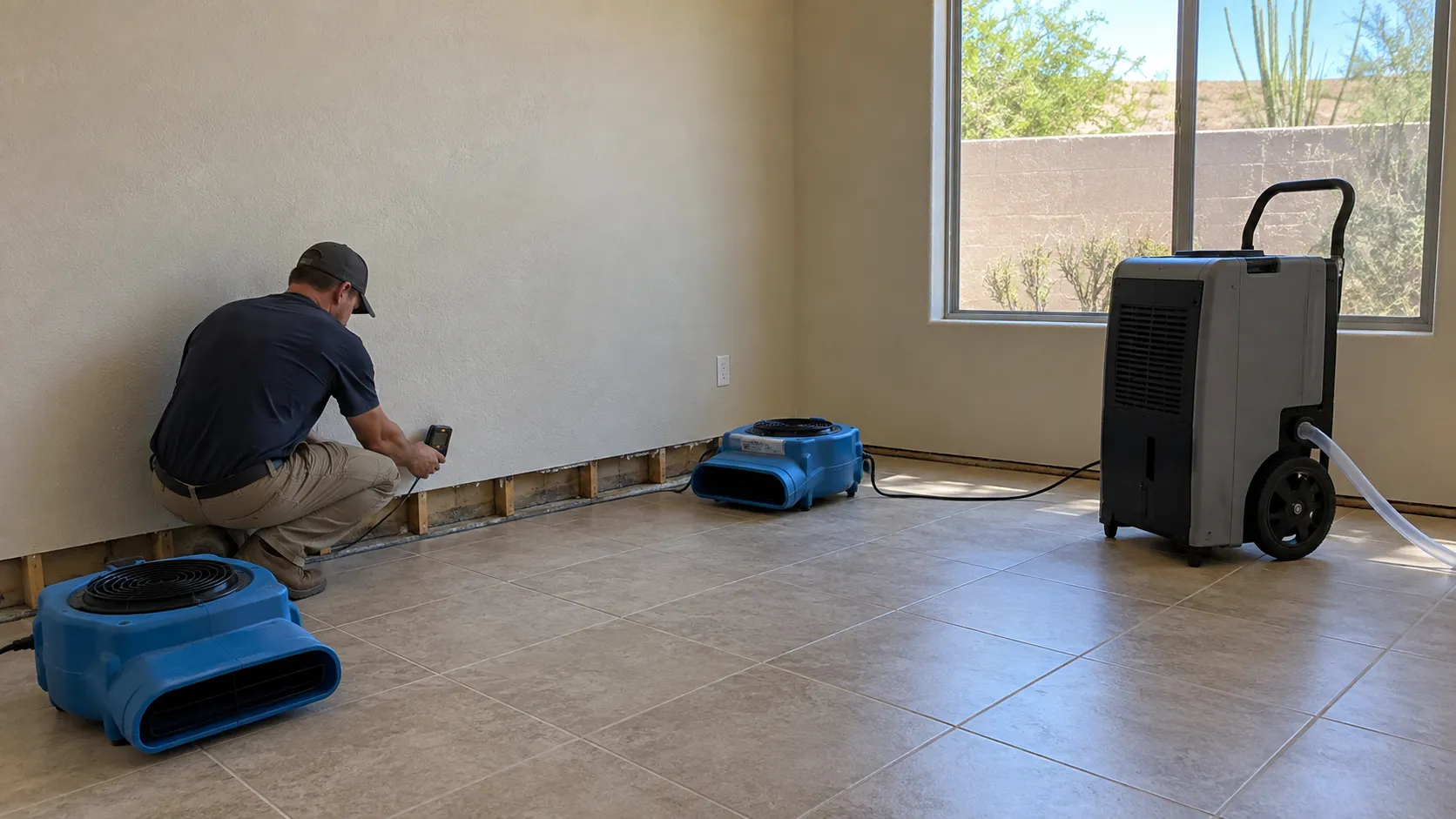 Structural Drying & DehumidificationAddress moisture remaining in affected building materials.
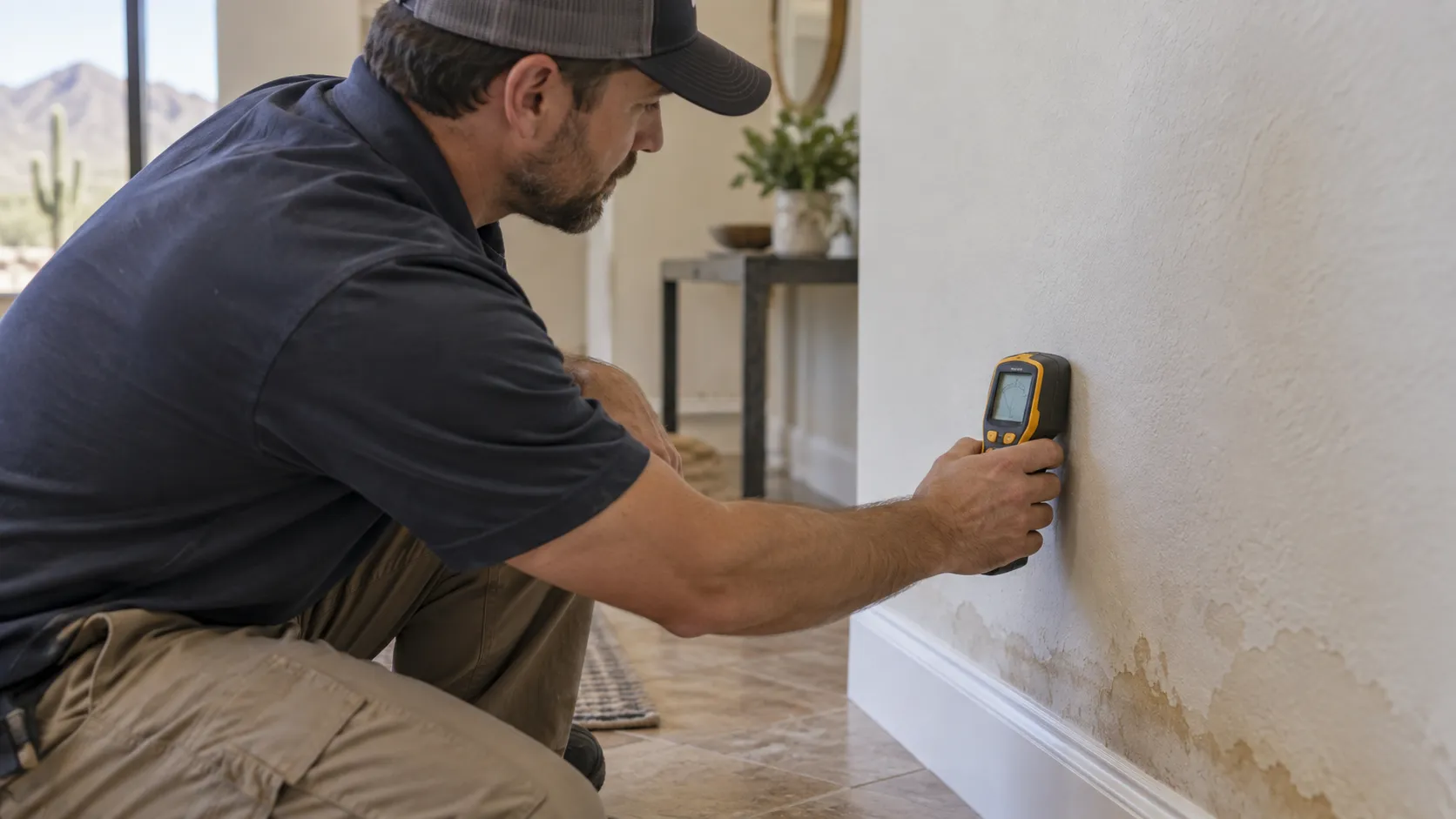 Moisture Detection & MappingLocate accessible moisture and track drying progress with recorded measurements.
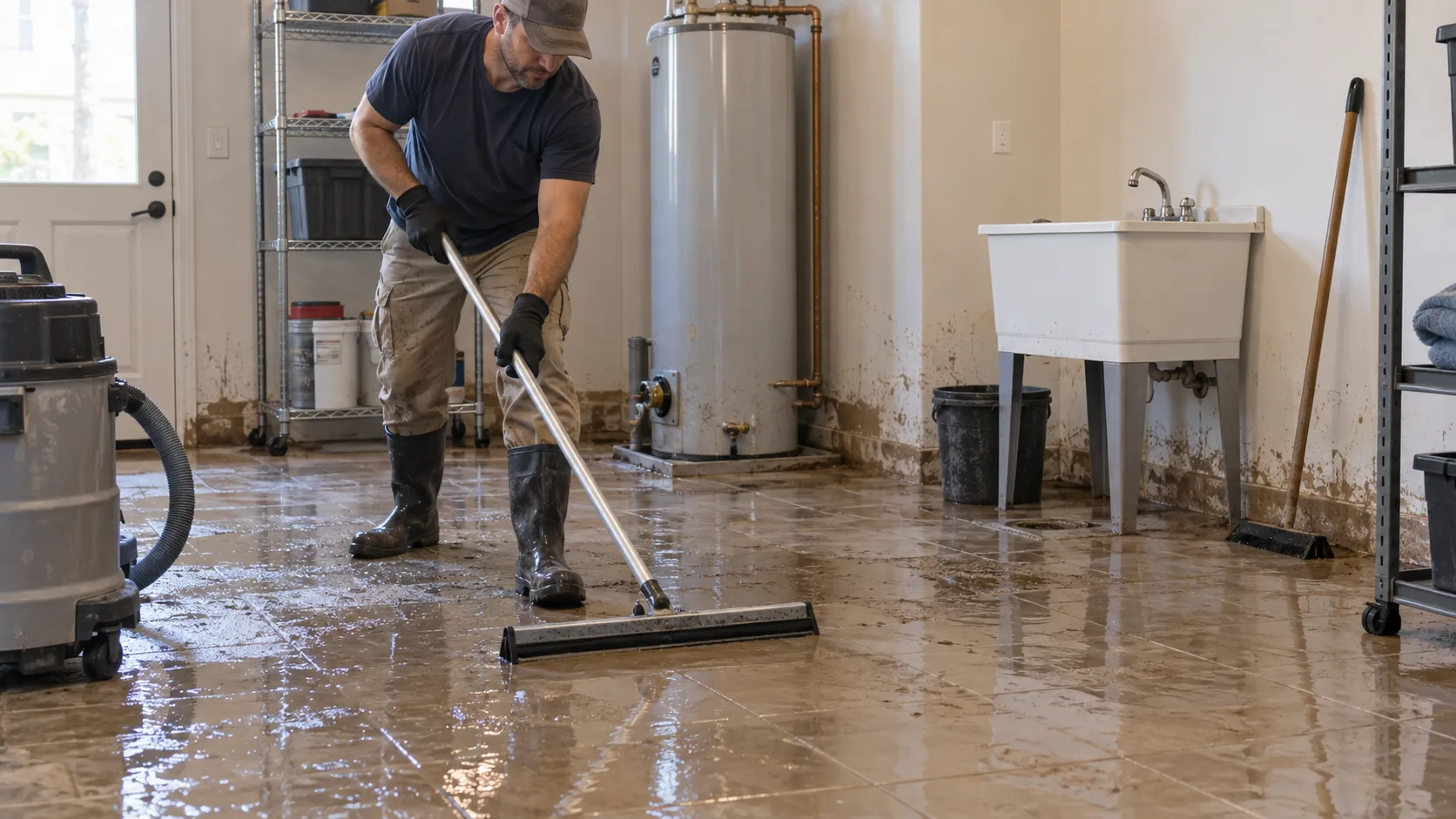 Flood Cleanup & SanitizationRemove flood residue and treat suitable surfaces according to their exposure.
Get help removing standing water so cleanup and drying can proceed. Call 24/7 for a 25-minute on-site response, or request extraction service online.