What Happens After Floodwater Extraction?
Extraction Is the Beginning of Flood Recovery
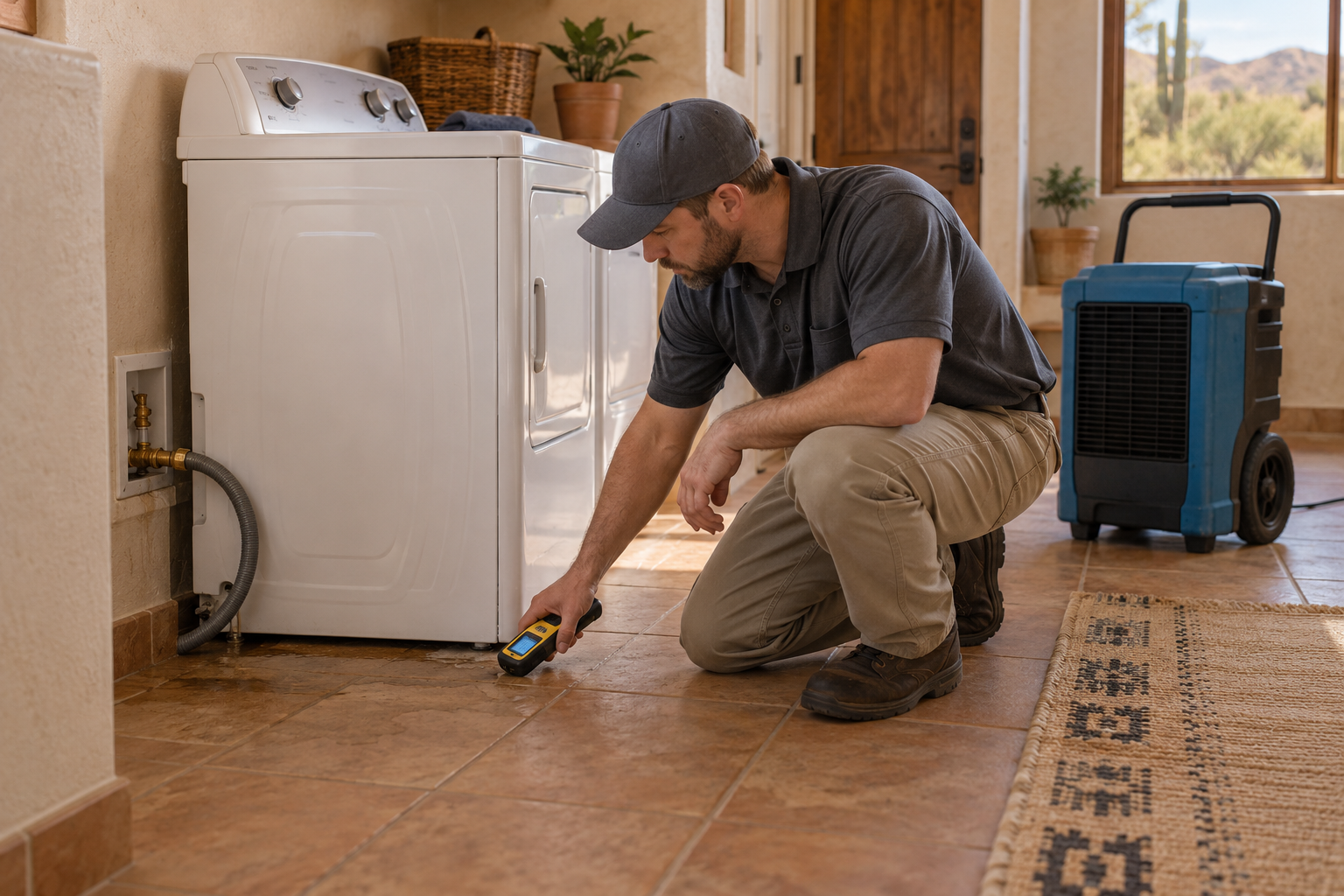
When the standing water is gone, a flooded room can look much closer to normal. The floor is visible again, the doorway is clear, and cleanup suddenly seems manageable. Yet water may remain inside wall cavities, beneath flooring, and in absorbent furnishings. The next stage is to understand those remaining conditions and organize work around them. Starting finish repairs immediately can hide moisture and leave important damage unresolved.
Recovery usually involves several connected tasks: confirming the building is safe, identifying affected materials, cleaning where appropriate, drying retained assemblies, and repairing what cannot be restored. The order depends on the water source and the building. A written scope helps everyone understand which tasks are complete and which still need attention.
Confirm That the Source and Safety Issues Are Addressed
Before treating extraction as complete, establish whether water can return. A failed pipe, ongoing roof leak, blocked drain, or exterior drainage problem needs its own repair or investigation. Removing water without addressing the entry route can lead to another wetting event during the same recovery project.
Keep people away from areas with electrical hazards, unstable ceilings, or uncertain structural conditions. Do not operate wet electrical equipment to see whether it still works. Ask the appropriate qualified professional to assess affected systems. Floodwater from outdoors or sewage requires particular care because its appearance does not establish whether it is safe to handle.
Map the Damage Beyond the Visible Puddle
The affected area may be larger than the outline left on the floor. Water can travel under a partition, collect beneath cabinets, or move through an opening into a lower room. An assessment should follow plausible routes and inspect connected spaces rather than stop where the surface looks dry.
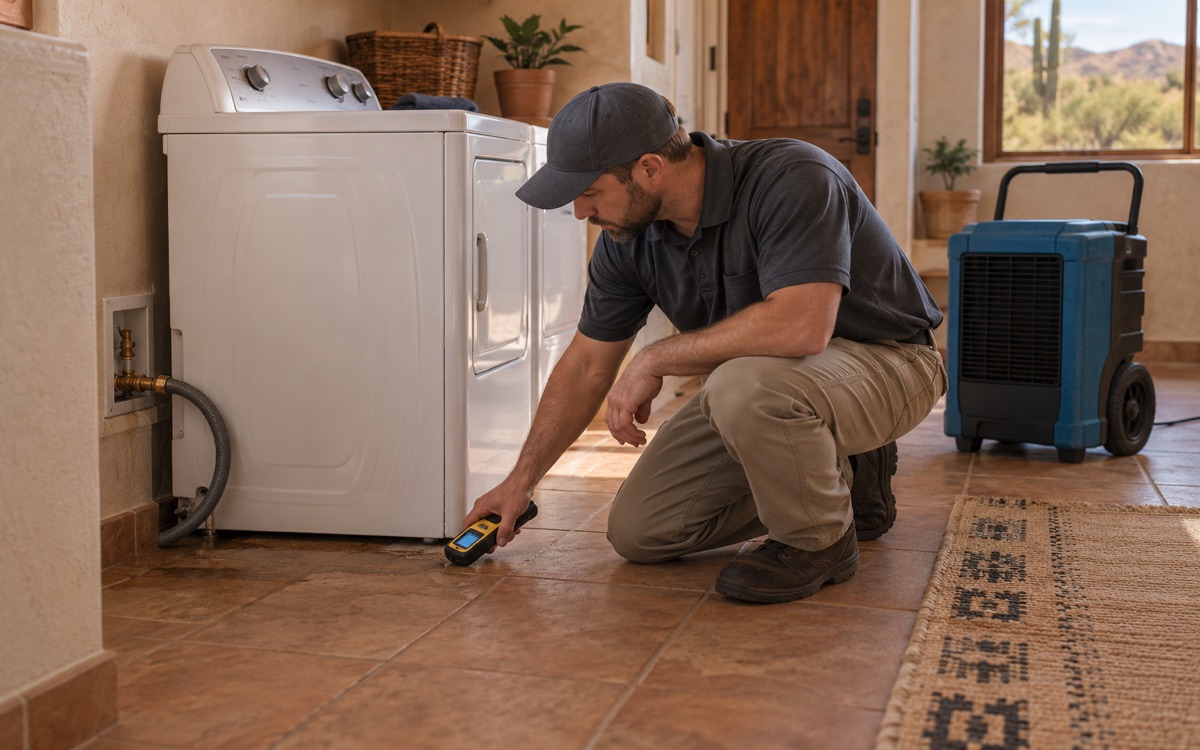
Ask the restoration contractor to identify the materials being evaluated and the method used to check them. Photographs, room sketches, and moisture readings can form a useful starting record. If an area cannot be accessed, that limitation should remain visible in the plan. A hidden space should not be described as dry simply because nobody has inspected it.
Decide What Can Stay and What Must Be Removed
Some materials can be cleaned and dried; others may be too contaminated or physically damaged to keep. Decisions should consider the type of water, length of exposure, material construction, condition, and access for cleaning. A hard surface on top does not mean the layers underneath are equally restorable.
For example, a tiled floor can conceal wet backing, adhesive, or an affected subfloor. A cabinet with a sound door may still have a swollen base. Ask for the reason behind each removal recommendation and each proposed salvage decision. This makes the scope easier to review and reduces misunderstandings about what is included.
Set Up Drying for the Actual Building Materials
Drying equipment should match the affected space and retained materials. Air movement and dehumidification may support the work, but equipment placement alone does not prove the building is drying adequately. Conditions need to be checked and the plan adjusted when progress is slower than expected.
Keep agreed access routes clear and follow the contractor’s instructions about equipment, doors, and windows. Unplanned changes can affect the drying environment. If equipment must be moved for access, tell the responsible contractor rather than assume that placing it nearby provides the same result. Ask how occupants should report an alarm, shutdown, or new leak.
Keep Cleaning and Drying Connected
Cleaning requirements depend on what entered the building and what it contacted. Drying an item does not automatically make it clean. Likewise, wiping a surface does not establish that the assembly behind it is dry. Both conditions matter when deciding whether a material can remain.
The EPA’s flooded-home guidance explains why safe entry, affected-material removal, and drying belong in the same recovery process. For another overview of the broader work, Edmonton Water Damage Restoration describes water damage restoration. Use general resources to frame questions, while basing the actual scope on the property assessment.
Verify Readiness Before Closing Walls and Floors
Ask what evidence will support the decision to remove drying equipment and begin reconstruction. The contractor should explain the materials checked, the relevant drying target, and any remaining inaccessible areas. A room feeling comfortable is useful for occupants, but it does not replace checking the assemblies affected by the flood.
Coordinate the handoff to repair trades. The person installing insulation, drywall, cabinets, or flooring needs to know which areas have been released for repair and which remain restricted. Keep photographs and completion notes with the project record. If a separate contractor is responsible for the original leak repair, confirm that work has also been completed.
Keep an occupant update beside the technical work plan. State which rooms remain restricted, whether normal building services are available, and who will communicate changes. A household should know whom to call if equipment stops or water returns. Clear communication is especially useful when different contractors attend on different days and occupants are hearing only part of each conversation.
If a repair estimate includes both drying and reconstruction, ask where one phase ends and the next begins. That distinction helps you review progress without assuming that equipment removal means all repairs are finished. Mark any specialist assessment or separate source repair as its own task.
Common Questions After Water Extraction
Can furniture go back as soon as the floor looks dry?
Wait until the affected area and the furniture have been assessed. Returning items too early can obstruct drying or place clean belongings against wet surfaces. Agree on a suitable storage location and the conditions for moving items back.
Does every flood require the same amount of demolition?
No. The necessary opening and removal depend on contamination, material damage, and access. Ask for a material-specific explanation rather than assume every wet room needs either complete demolition or surface drying alone.
What should the final handover include?
Keep the source finding, completed cleanup and drying work, retained-material decisions, and outstanding repairs together. Identify who owns each remaining task. A clear handover lets reconstruction proceed from documented conditions instead of guesses about what extraction accomplished.