
Water beneath the building
Standing water in a crawl space needs removal where safe access permits. Remaining residue and absorbed moisture require attention after extraction.
24/7 flood restoration in Glendale
Get an underfloor flood assessment in Glendale that accounts for restricted access. Unreachable areas are not assumed to be unaffected.
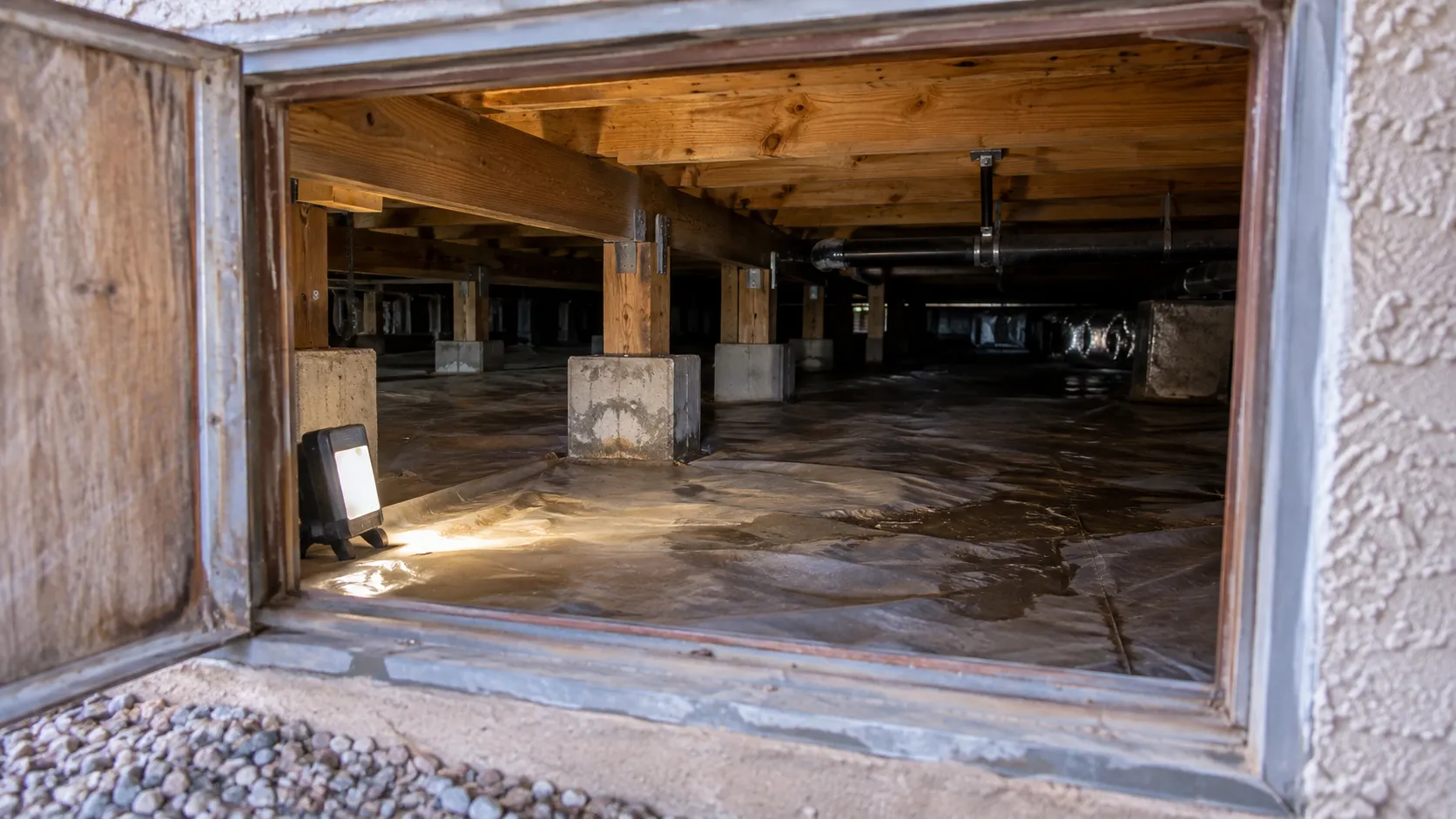
Restricted clearance, standing water and concealed hazards can make entry unsafe. Conditions must be assessed before anyone enters or restoration equipment is positioned.
Standing water in a crawl space needs removal where safe access permits. Remaining residue and absorbed moisture require attention after extraction.
Framing can hold moisture after visible water clears. Suitable measurements help determine the drying needed and track its progress.
Insulation may have different recovery limits from framing. Its exposure and condition determine whether it can remain or requires removal.
Clearance and entry openings affect what can be inspected and treated. Access limits need to be established before the work is planned.
The first conversation covers the flooding, your Glendale address and known crawl space access. Service is available 24/7 with a 25-minute on-site response.
The inspection establishes the accessible affected area, water conditions and visible underfloor damage before selecting the work.
Extraction addresses standing water where conditions permit. Continuing entry is considered so removal is coordinated with the unresolved source.
Cleanup targets affected accessible surfaces. Unsuitable insulation or other damaged material is identified for removal where needed.
Suitable drying equipment addresses retained wet materials. Follow-up moisture checks guide adjustments and identify further work.
Water removal reduces standing water in accessible affected areas. Equipment and methods depend on clearance, entry conditions and the water present.
Flood residue needs appropriate cleaning after extraction. The approach considers the water source and surfaces exposed.
Wet insulation and other underfloor materials are evaluated separately from framing. Cleaning and drying do not suit every exposed component.
Drying addresses moisture in suitable retained materials. Measurements help show whether the accessible affected framing is improving.
The assessment distinguishes inspected areas from those that cannot be reached adequately. Unchecked sections are not assumed to be unaffected.
Findings separate wet framing, affected insulation and other underfloor components so the work reflects their different needs.
Repeat checks help show moisture changes in relevant accessible materials. One improved location does not establish conditions throughout the crawl space.
Continuing water entry remains a separate concern. Restoration observations do not substitute for a drainage, plumbing or structural assessment.
Crawl space cleanup does not automatically correct drainage or plumbing problems. Appropriate source work may be needed alongside interior recovery.
Insulation can remain unsuitable even when adjacent framing can be dried. Each material needs a condition-based assessment.
Physical deterioration can remain after moisture is reduced. Structural or other specialist repairs require appropriate evaluation rather than a drying-only solution.
Glendale stormwater runoff is separate from the sanitary sewer system, but untreated runoff can still carry contaminants. Water exposure needs assessment before affected building materials or contents are treated.
Crawl Space Flood Restoration is available throughout Glendale, including Arrowhead Ranch, Catlin Court, and central Glendale. Emergency service is available 24/7 with a 25-minute on-site response.
Serving Glendale from our Phoenix office: 2840 S. 36th Street, Suite E-1, Phoenix, AZ 85034.
Crawl Space Flood Restoration is available in these Glendale-area ZIP codes. Postal areas can extend across municipal boundaries.
It addresses accessible standing water, flood residue and wet underfloor materials. The actual construction, exposure and access determine the required cleanup and drying.
We provide crawl space flood restoration in Glendale, including Arrowhead Ranch, Catlin Court, and central Glendale. Coverage includes 85301, 85302, 85303, 85304 and the other ZIP codes listed here. Service comes from our Phoenix office; postal areas can cross municipal boundaries.
It can affect which underfloor materials are suitable for cleaning and drying. Water exposure, residue, insulation condition, and available access determine whether removal is necessary.
Not necessarily. The opening may reveal only part of the affected area. Limited clearance or obstructions can require additional access planning.
It may. Appearance alone does not establish moisture within the material. Suitable measurements help determine whether more drying is required.
Structural damage requires an appropriate assessment and repair plan. Water cleanup and drying do not establish structural safety or replace necessary structural repairs.
Not by itself. The source may need drainage, plumbing or other specialist work. Cleanup addresses the existing water and affected materials.
Access, standing water, material condition and drying progress all affect the duration. Continuing entry can also change the sequence of work.
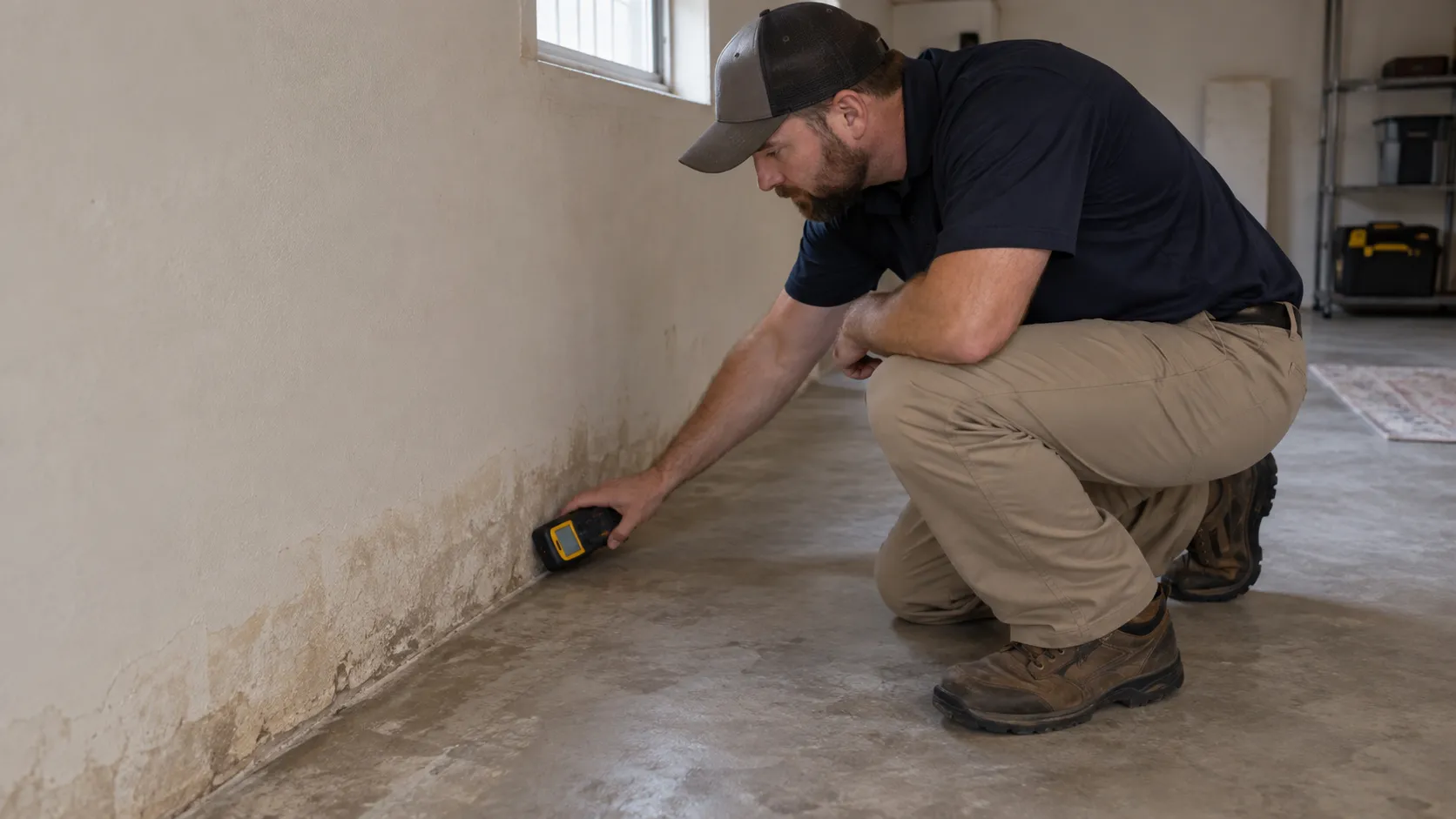 Groundwater Flood RestorationRemove water after groundwater intrusion and restore affected materials while the source receives attention.
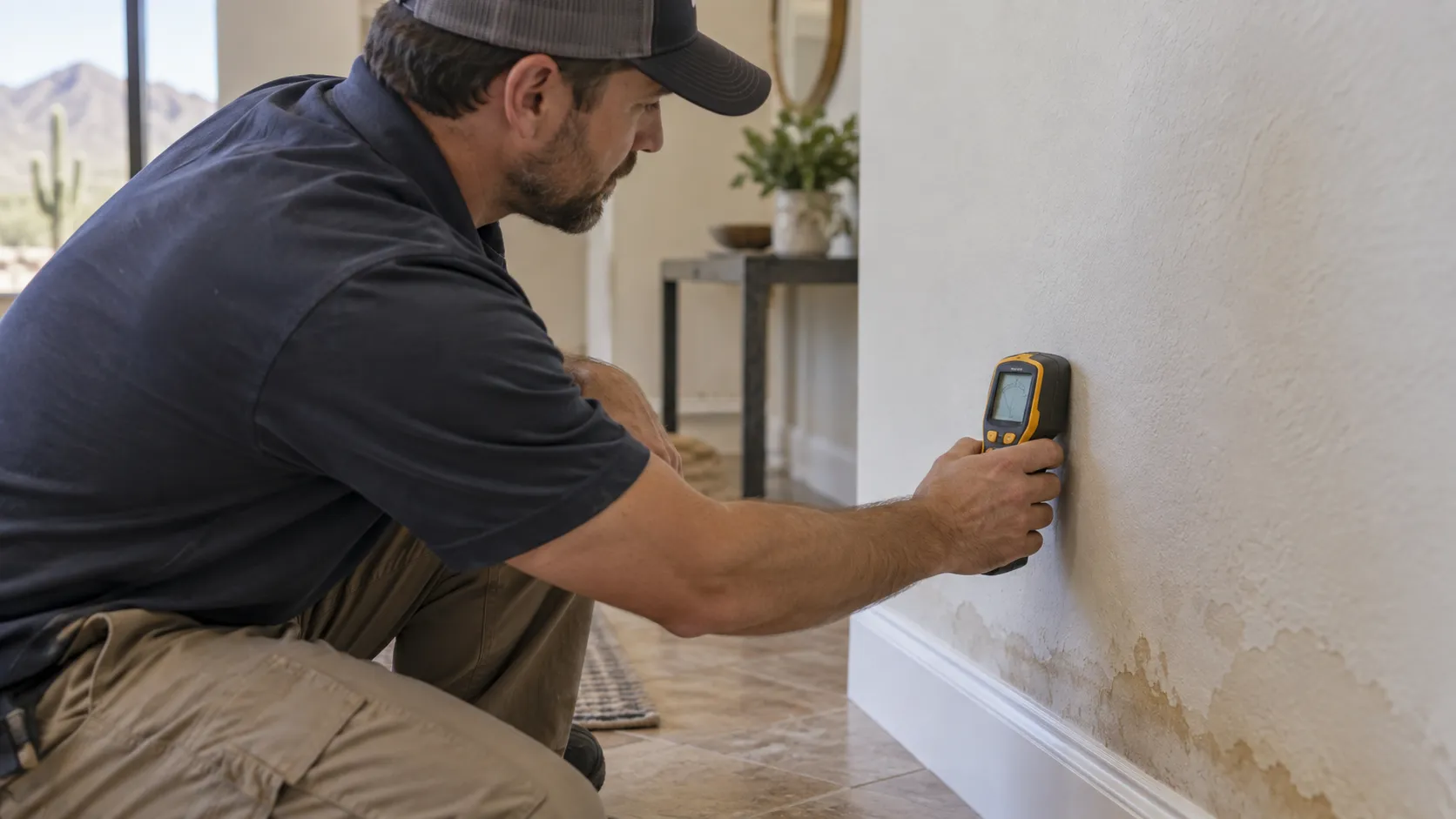 Moisture Detection & MappingLocate accessible moisture and track drying progress with recorded measurements.
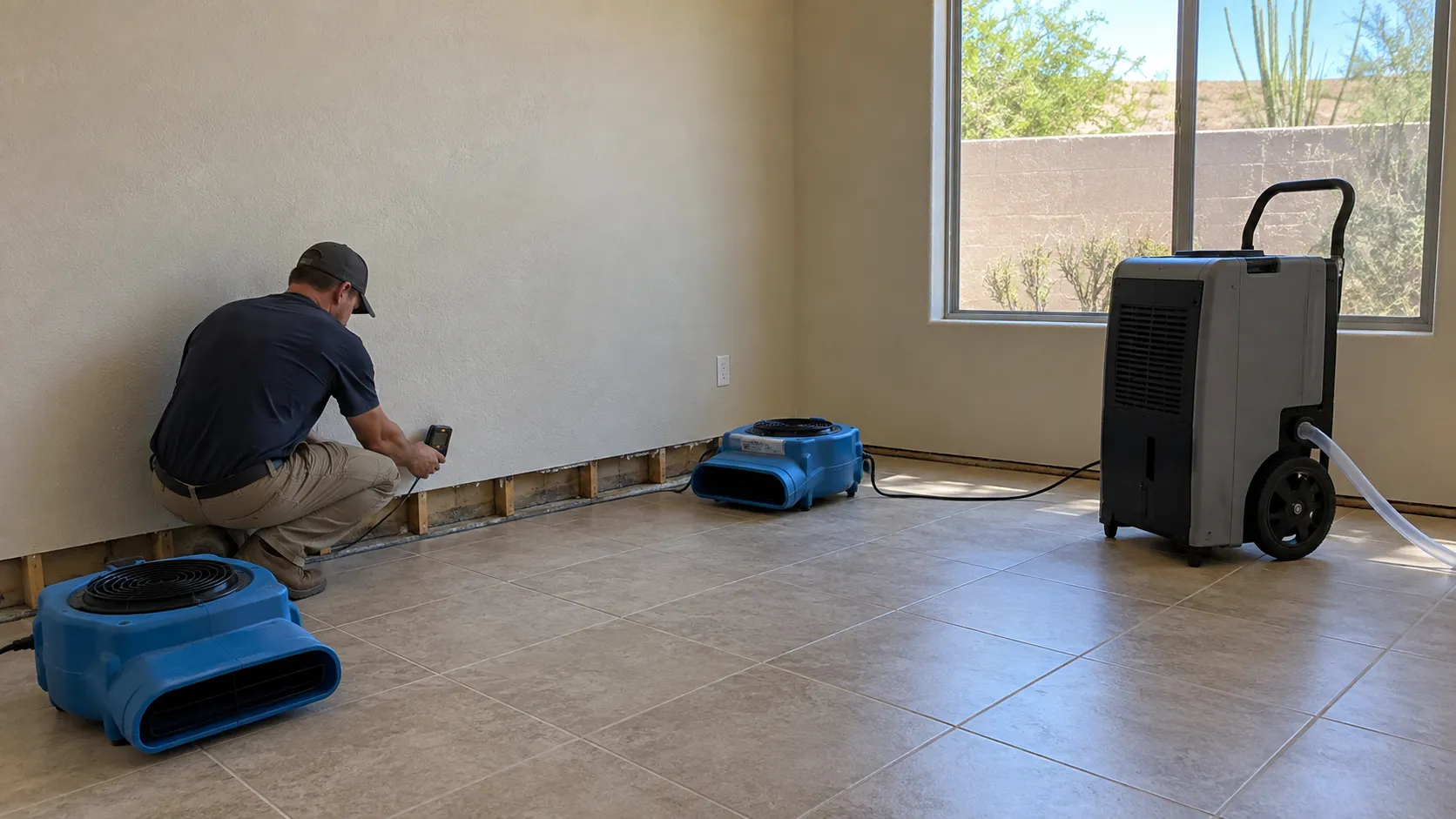 Structural Drying & DehumidificationAddress moisture remaining in affected building materials.
Get help addressing water, residue and wet underfloor materials. Call for crawl space restoration or request service online.