
Flood residue
Sediment and deposits can remain after extraction. Cleaning addresses those surfaces rather than treating the disappearance of standing water as completed restoration.
24/7 flood restoration in Goodyear
Get flood cleanup and sanitization in Goodyear after water has affected building surfaces. Cleaning addresses residue, while material assessment identifies replacement or further drying needs beyond visible improvement.
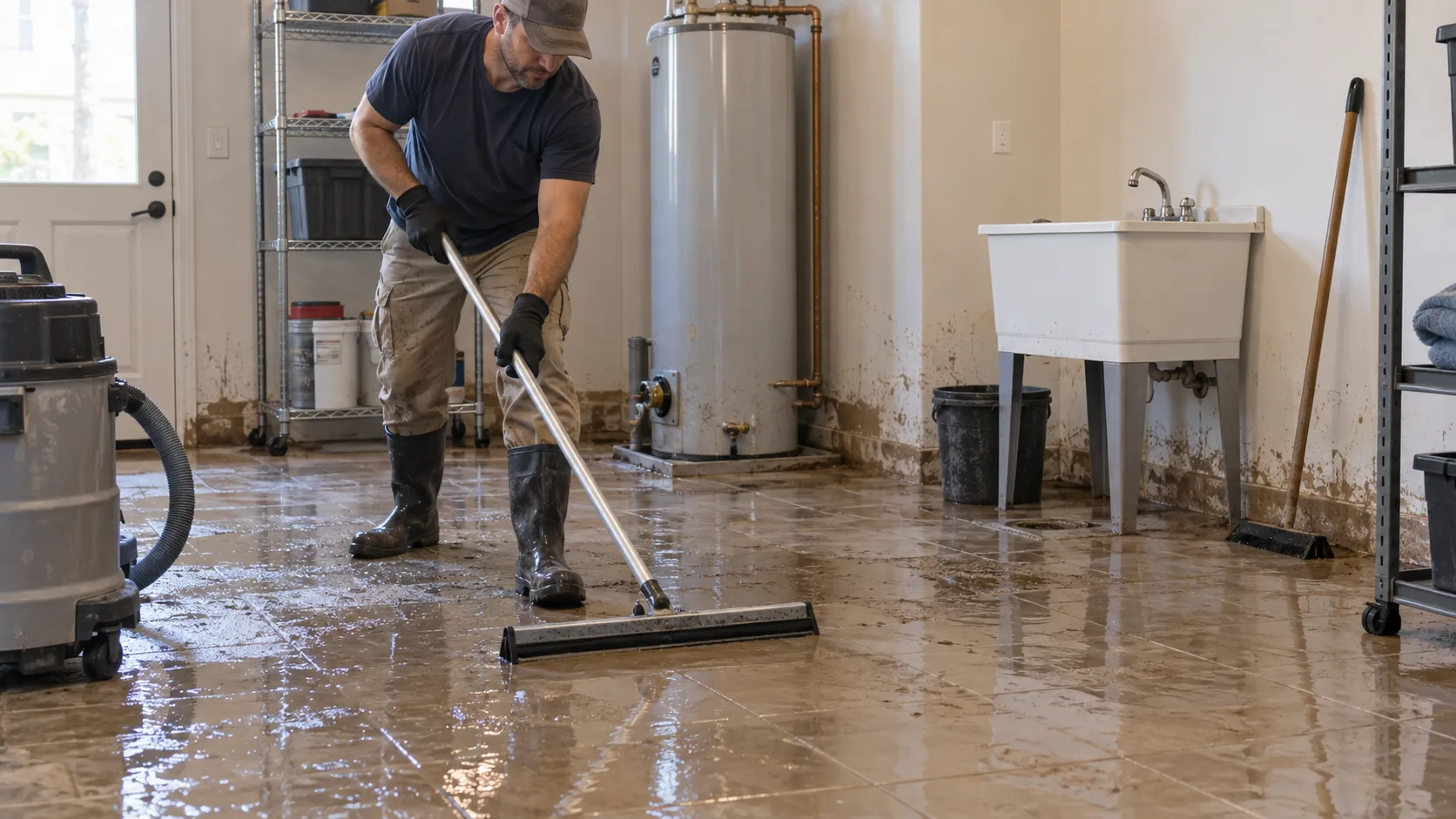
Treatment must suit the surface and exposure. It does not reverse physical damage or make every contaminated material appropriate to retain.
Sediment and deposits can remain after extraction. Cleaning addresses those surfaces rather than treating the disappearance of standing water as completed restoration.
The water source affects the cleanup required. Contaminated materials need appropriate assessment before decisions are made about cleaning or replacement.
Porous materials can hold moisture and residue beyond their surface. Some are unsuitable to retain and need removal rather than repeated surface treatment.
A cleaned surface can still be part of a wet assembly. Moisture assessment identifies drying needs separately from the visible residue removal.
The conversation covers your Goodyear property, the water exposure, and residue remaining. Service is available 24/7 with a 25-minute on-site response.
The assessment identifies exposed surfaces, contamination concerns, and physical damage. It determines which materials are suitable for cleaning and which need removal.
Accumulated water is extracted where needed. Visible flood residue is addressed so suitable surfaces can receive further cleaning and treatment.
Cleaning and sanitization are matched to suitable materials and their exposure. A product application is not used as a substitute for necessary material removal.
Retained materials are assessed for remaining moisture. Physical damage requiring repair or replacement is distinguished from cleanup already completed.
Cleaning addresses sediment and residue on accessible affected surfaces. The method follows the deposits and materials involved in the loss.
Hard surfaces and absorbent materials can have different recovery limits. The assessment identifies where cleaning is practical and where removal is appropriate.
Treatment of suitable surfaces reflects the exposure and follows necessary cleaning. It is not presented as a promise that every affected material can be saved.
Cleanup does not establish that retained materials are dry. Moisture checks identify the additional drying required before damaged finishes are repaired.
Records identify the materials and areas addressed. They distinguish the defined cleanup work from unaffected surfaces or inaccessible construction.
Observed exposure and damage explain why some materials cannot remain. Those decisions are separated from cleaning of suitable surfaces.
The work record distinguishes cleaning and sanitization from moisture removal. This avoids treating a cleaner appearance as proof of completed drying.
Remaining moisture and physical damage are identified after cleanup. These findings establish any further restoration needed before the property is recovered.
Outside water or sewage exposure can require different cleanup from a limited clean-water release. Material decisions need to reflect that difference.
Swelling and separation may remain after residue is removed. Damaged finishes can still require replacement even when nearby retained surfaces have been cleaned.
Retained moisture needs attention after appropriate cleanup. A surface that looks clean should not be covered while the materials beneath it still need drying.
Goodyear monsoon conditions can include strong winds, heavy rain, and flooding. A water-entry problem may require separate repair, while the materials already affected need assessment for cleanup and drying.
Flood Cleanup & Sanitization is available throughout Goodyear, including Palm Valley and Estrella. Emergency service is available 24/7 with a 25-minute on-site response.
Serving Goodyear from our Phoenix office: 2840 S. 36th Street, Suite E-1, Phoenix, AZ 85034.
Flood Cleanup & Sanitization is available in these Goodyear-area ZIP codes. Postal areas can extend across municipal boundaries.
It includes removal of flood residue and appropriate cleaning and treatment of suitable surfaces. Material exposure and condition also determine whether removal is necessary.
We provide flood cleanup & sanitization in Goodyear, including Palm Valley and Estrella. Coverage includes 85338, 85340, and 85395. Service comes from our Phoenix office; postal areas can cross municipal boundaries.
Those surfaces need reassessment for new contamination and residue. Earlier cleaning does not cover a later exposure, and the continuing water-entry problem needs separate attention.
Phoenix Flood Restoration offers 24/7 service with a 25-minute on-site response in Goodyear. The assessment determines cleanup priorities and the further work needed.
No. Cleaning removes dirt and residue; sanitization is a separate treatment used where appropriate. Neither replaces assessment of whether damaged materials should remain.
No. Absorbent materials can be unsuitable to retain because of contamination or deterioration. A surface treatment does not remove those limitations.
Not necessarily. Extraction removes accumulated liquid but can leave sediment and residue. Further cleaning and material assessment may be needed before drying and repairs.
Yes. Appearance does not establish the water's exposure history. Its source and the materials contacted influence appropriate cleanup and replacement decisions.
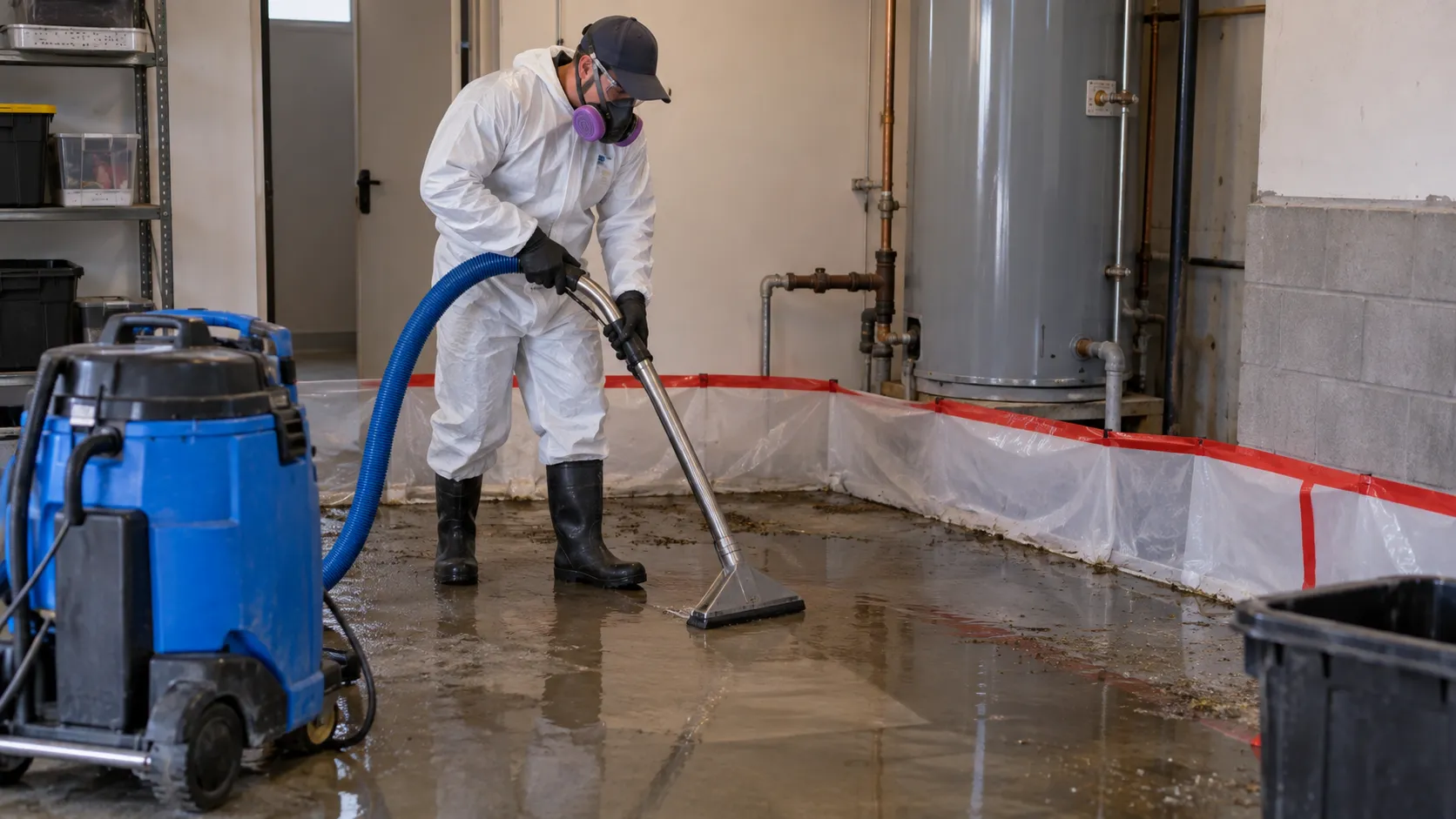 Sewage & Contaminated Flood CleanupRemove contaminated water and address exposed materials with appropriate cleanup.
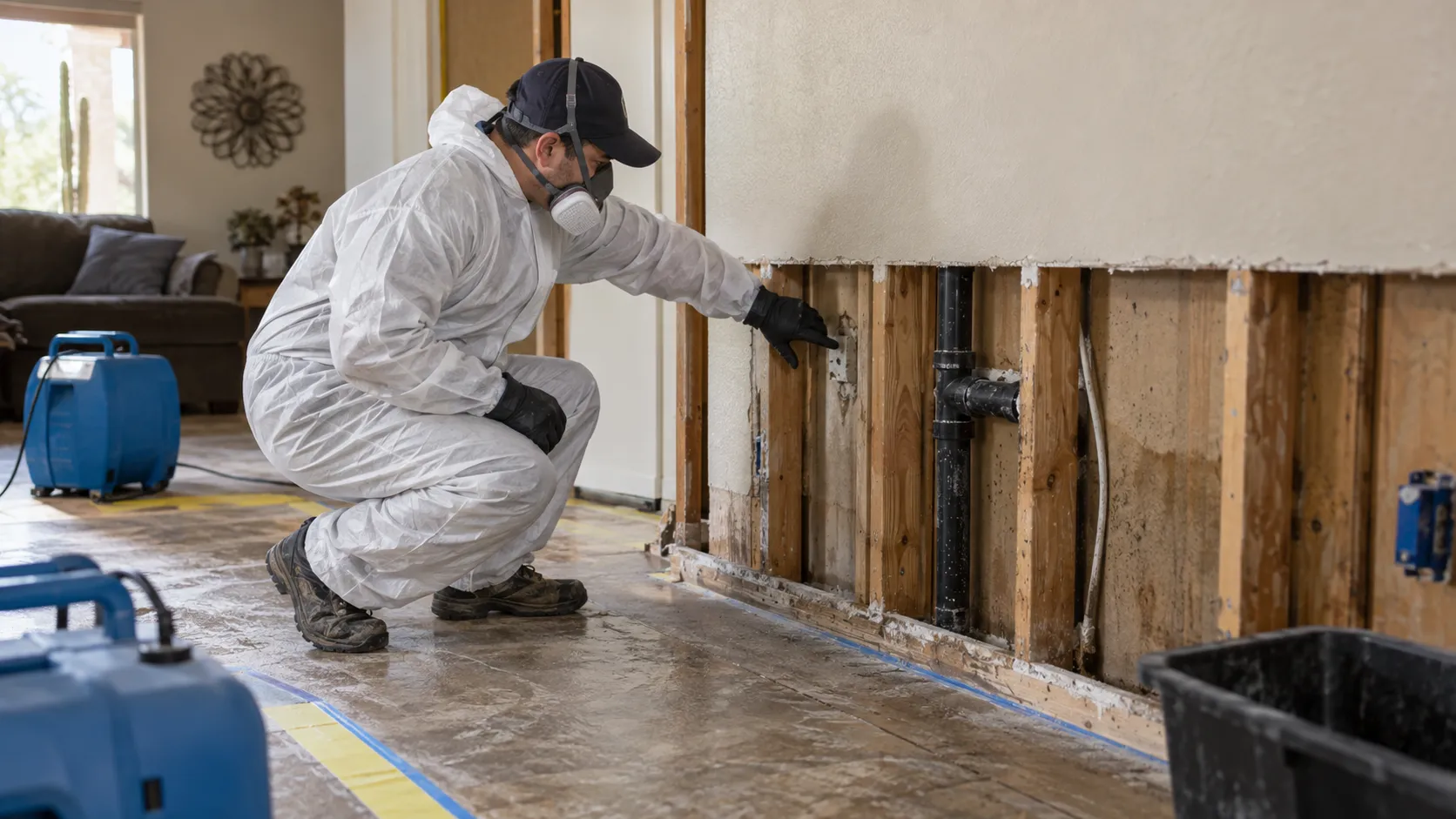 Flood Damage RemediationAddress flood residue, affected materials, and moisture that need more than surface cleaning.
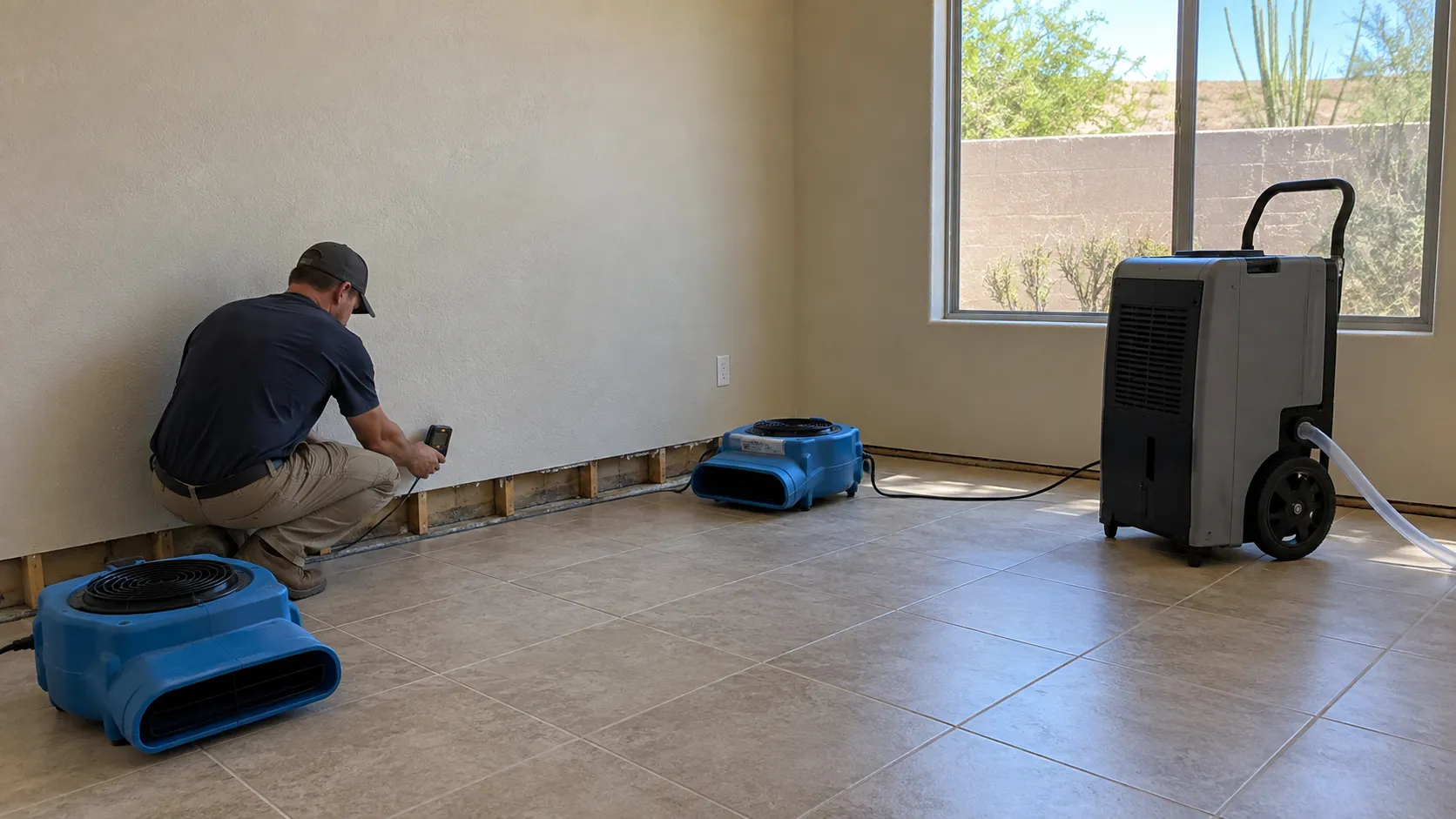 Structural Drying & DehumidificationAddress moisture remaining in affected building materials.
Get cleanup suited to the water exposure and affected materials. Call 24/7 for a 25-minute on-site response, or request flood cleanup service online.