
Can I Clean Up Floodwater Myself in Phoenix?
DIY cleanup is not appropriate when floodwater may be contaminated, electrical or structural hazards are present, or water has entered materials you cannot inspect and dry reliably. A small spill from a known source is different from outdoor flooding or sewage. Have uncertain conditions assessed before handling the damage.
The temptation is understandable: remove the water quickly and avoid a larger repair. The difficulty is that visible water is only one part of the problem. Phoenix storm runoff can leave contamination behind, and apparently dry finishes can cover wet layers. Cleanup methods need to fit both the source and the building.
Start with the source, not the size of the puddle
A shallow layer of outdoor floodwater may require more precautions than a larger amount from a recently discovered clean supply leak. Water can collect pollutants on its way into the property. The CDC warns that floodwater can contain sewage, chemicals, and sharp debris.
If you do not know the source or how long water has been present, do not label it clean based on its appearance. That uncertainty affects protective measures, cleaning methods, and what can be saved. Describe what you know to a restoration professional before deciding that ordinary household cleaning equipment is suitable.
Household equipment does not remove safety constraints
A wet vacuum or fan still depends on safe electricity and appropriate use conditions. Do not enter water to plug in equipment, reach an outlet, or turn off a breaker. Equipment capacity also matters: repeated small tank emptying can leave water migrating through the building while cleanup appears to be progressing.
Air movement is not automatically helpful when contamination has not been addressed. EPA's material-specific water-damage guidance cautions against using fans before confirming sanitary conditions. That table concerns clean-water damage, so it should not be used as a blanket salvage guide for sewage or monsoon runoff.
Know what you cannot confirm by touch
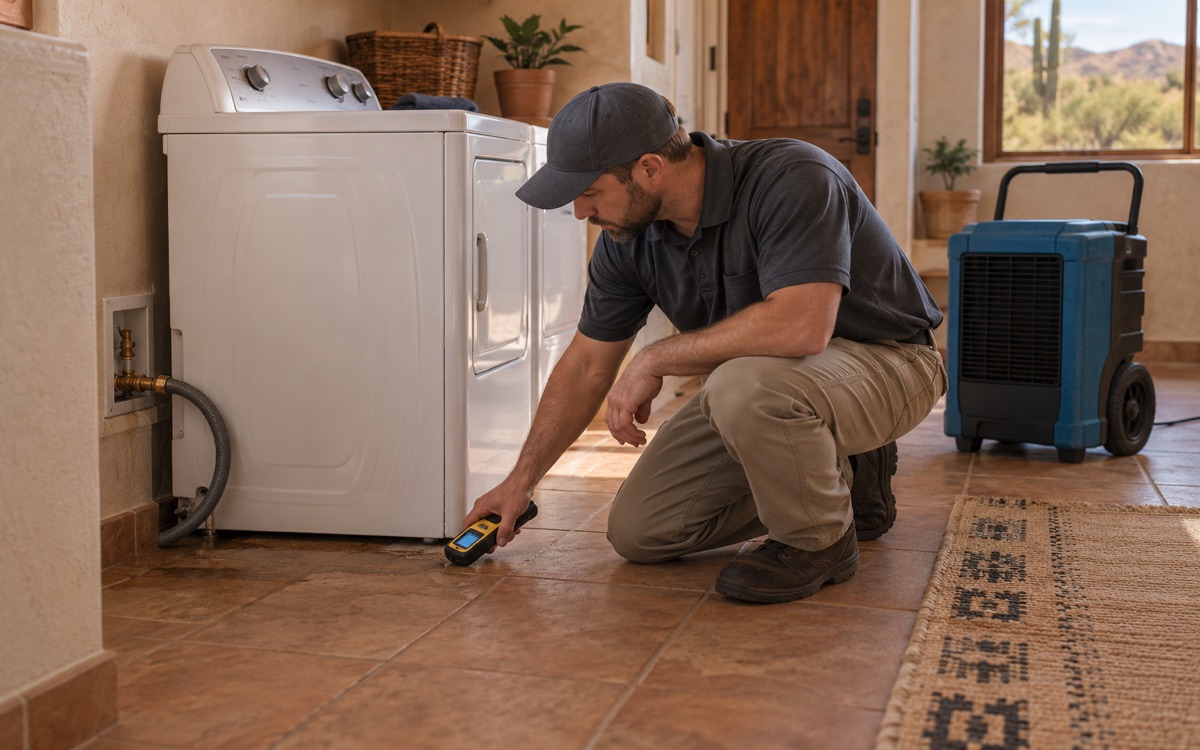
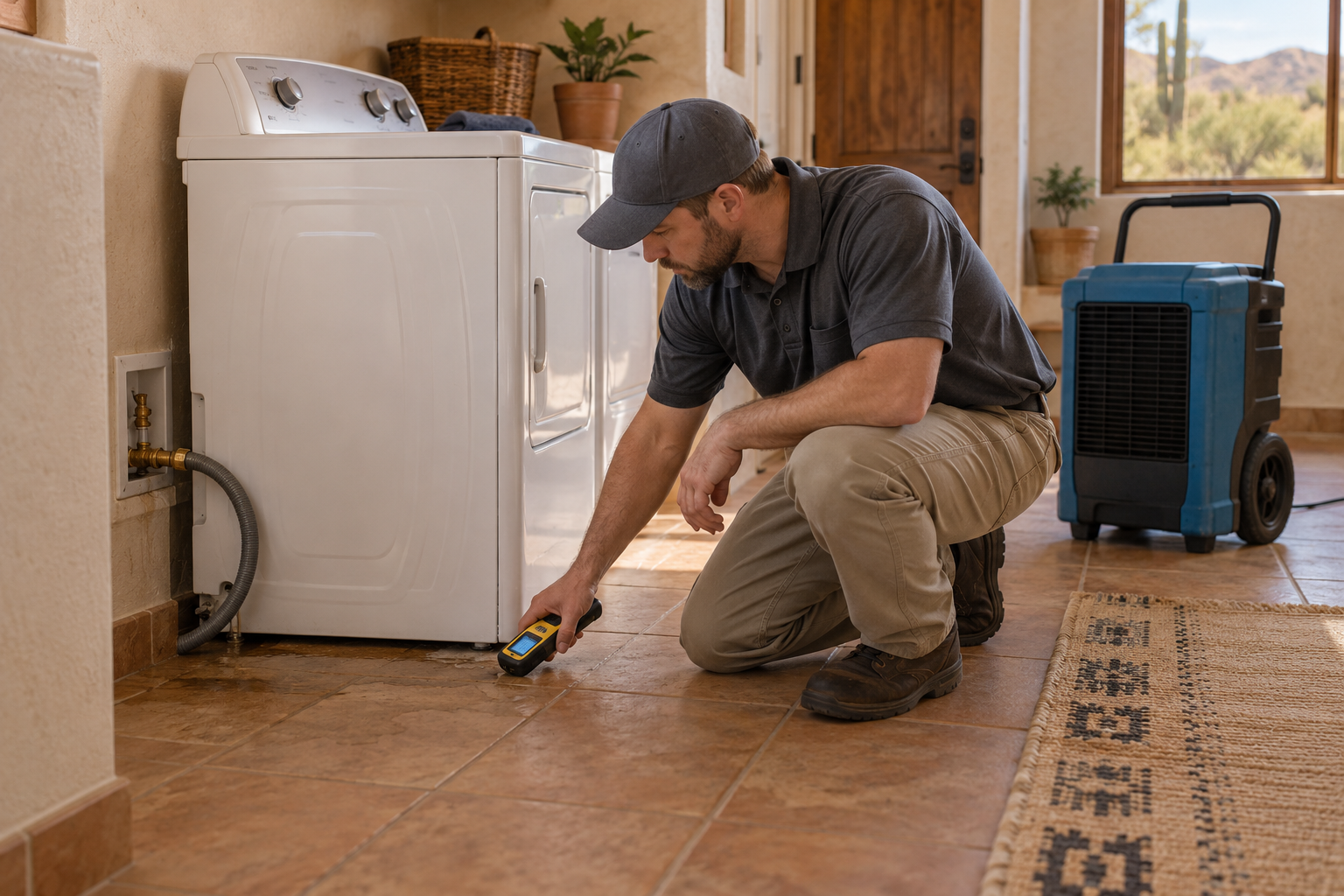
A floor that feels dry can conceal wet underlayment. A painted wall may look normal while moisture remains behind it. Effective recovery requires determining where water traveled, evaluating the materials involved, and checking progress. Without that information, a DIY effort can stop at the point when surfaces improve rather than when the affected assembly is ready.
Do not open wall cavities or remove contaminated finishes merely to investigate. Inspection and selective access need a plan for hazards, debris, and unaffected areas. The aim is not demolition for its own sake; it is reliable evidence for deciding what can remain and what requires removal.
Separate safe support tasks from restoration work
You can often help without entering the damage: collect contact information, locate existing property records, communicate access arrangements, and take photographs from a safe position. Keep pets and other people away from the affected boundary. Notify the insurer and retain communications about the loss.
Ask the restoration provider to explain the proposed scope rather than assuming every task is all-or-nothing. A clear assessment identifies source repair, extraction, cleaning, drying, and any later reconstruction separately. That makes it easier to understand which work is necessary and why. It also prevents a cleaning product purchase from being mistaken for a complete recovery plan.
One useful dividing line is whether cleanup requires opening an assembly or making a contamination judgment. Photographing an accessible stain from a dry area is different from pulling up flooring to investigate it. Moving an unaffected item along a dry route is different from carrying saturated contents through the building. Those distinctions help identify genuinely low-exposure tasks without presenting an equipment purchase as a complete restoration plan.
Questions about DIY flood cleanup in Phoenix
Can I clean up if the water looks clear?
Clarity does not prove the water is sanitary or the building is safe. Source, exposure time, electrical conditions, and affected materials matter more than appearance.
Is opening windows enough to dry the property?
Not reliably. Outdoor conditions, indoor humidity, material layers, and contamination influence the plan. Hidden moisture needs assessment, and controlled drying may be required.
Can I save money by removing wet drywall myself?
Unplanned removal can expose hazards, spread debris, and erase useful damage evidence. Discuss necessary access and removal with the restoration team before disturbing affected assemblies.
Get a clear scope before attempting flood cleanup
If you are unsure whether a Phoenix flood loss is manageable with ordinary cleaning, describe the source and affected materials so the next step is based on the actual risk.
Flood Cleanup & Sanitization and Moisture Detection & Mapping provide a professional alternative when the loss exceeds safe DIY limits. Request Service or call (602) 902-1375 to discuss the affected property.