Can Important Documents Be Saved After a Phoenix Flood?
Some flood-damaged documents may be recoverable, but the outcome depends on the paper, ink, binding, contamination, and condition. Identify high-priority records and seek appropriate specialist advice promptly. Do not separate fragile pages, apply heat, or handle contaminated papers without guidance. Copies, issuing-agency replacements, and secure digital records may be more practical than saving every original.
Prioritize what cannot easily be replaced
Not every sheet needs the same response. Identify originals with legal, financial, operational, or sentimental importance, then distinguish them from records available elsewhere. That helps a specialist focus on the items where recovery could matter most.
Existing scans, institutional records, and replacement processes may reduce the urgency of physically salvaging a particular document. Keep a list of what is missing or affected so that recovery and replacement efforts do not duplicate each other.
For a Phoenix homeowner or business, the first practical step is communicating what kinds of records are involved without exposing unnecessary personal details. Do not send clear images of identification numbers or account information simply to show that papers became wet.
Where an original has a specific official purpose, confirm whether a recovered copy will be accepted. Readability and legal acceptance are different questions, and the restoration process cannot decide the latter.
Handling can worsen fragile paper damage
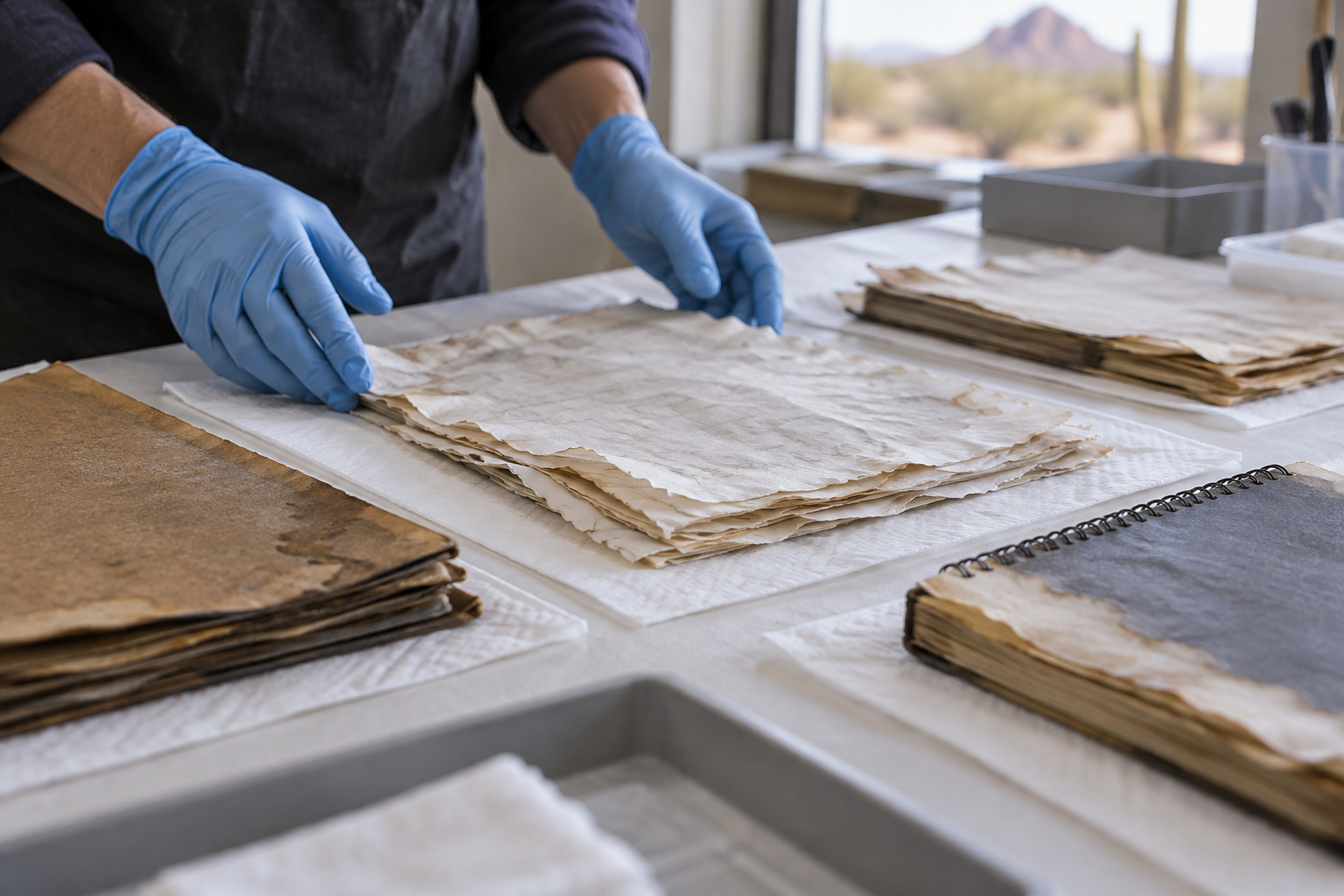
Wet pages and bindings can be fragile. Pulling stuck sheets apart or placing them under uncontrolled heat can complicate recovery. The correct approach depends on the item and should come from a specialist rather than a generic household drying tip.
EPA's material guidance identifies different options for books and papers, including specialist-style recovery methods. That table concerns clean-water damage and should not be applied casually to contaminated records.
Contents recovery assessment can help identify which items need specialist attention. Ask what should remain undisturbed and what information the specialist needs before you attempt to separate, stack, or transport the documents.
Contamination and privacy both affect the process
Documents exposed to outdoor floodwater or sewage raise handling concerns beyond ordinary dampness. CDC guidance explains that floodwater can contain harmful contaminants. The absence of visible dirt does not establish that papers are safe to handle.
Keep the affected records away from clean document storage and ordinary work surfaces until their handling is assessed. If a business's files contain customer or employee information, the recovery plan should also account for access, transport, and disposal responsibilities.
Do not promise that every original will survive or that treatment leaves every record suitable for its previous purpose. Some records may need official replacement even if a readable copy can be obtained. Confirm those requirements with the issuing organization or relevant professional.
Coordinate records with the building recovery
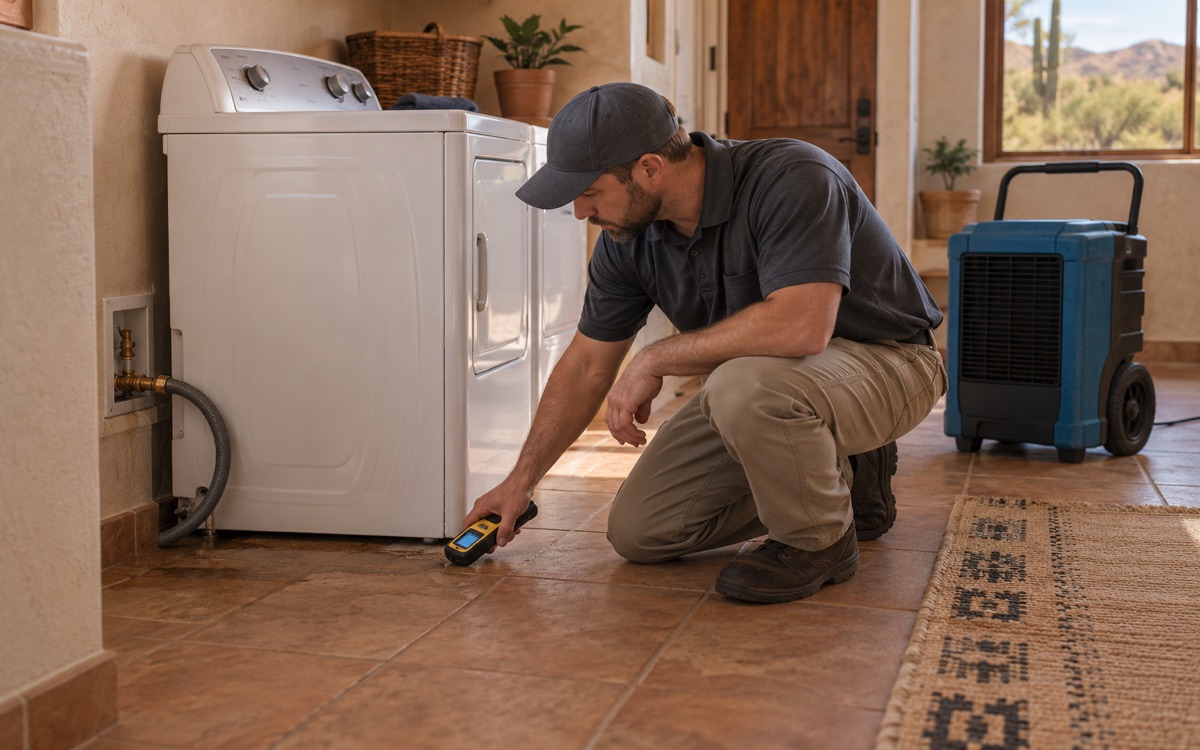
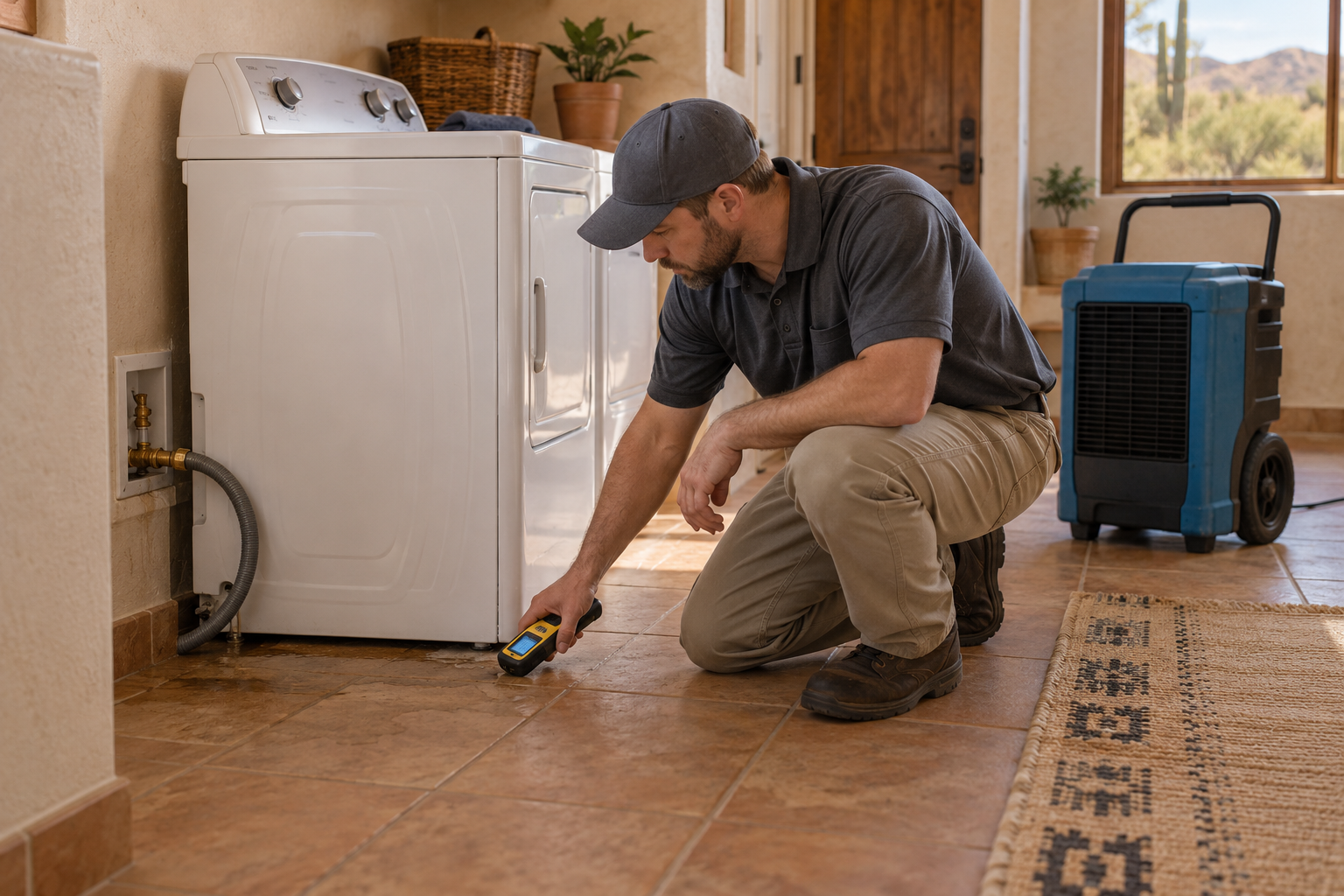
Paper recovery and building drying may proceed on different paths. Clearing access to an affected area should not mean discarding important records without an agreed process, but keeping wet papers in place should not obstruct necessary hazard control.
Document what is transferred, who receives it, and its status. The records should distinguish items awaiting evaluation from those approved for disposal or replacement. Flood damage assessment can identify the surrounding affected area while the document specialist addresses the contents.
Before records return to storage, confirm that the storage environment has been appropriately addressed. Structural drying concerns the building materials; a dry-looking shelf does not automatically resolve the condition of files that were wet elsewhere.
Related questions
Can I use a hair dryer on wet documents?
Do not apply uncontrolled heat to fragile records without specialist advice. Paper, inks, photographs, and bindings can require different handling, and a home drying method may complicate recovery.
Can important documents be replaced instead of restored?
Often a replacement or existing copy may be the practical route, but availability depends on the record and issuing organization. Make a prioritized inventory and contact the relevant issuer.
Should wet business records go into ordinary trash?
Not without considering contamination, sensitive information, retention duties, and the approved recovery decision. Coordinate secure handling with the appropriate professionals instead of treating every file as ordinary debris.
Protect important records after Phoenix flood damage
Phoenix Flood Restoration can help assess affected contents and coordinate the property recovery around important records. Tell our team what types of documents are involved so the next steps can account for safe handling, priorities, and specialist evaluation where needed.
Request Service or call (602) 902-1375.