
Does Homeowners Insurance Cover Flood Damage in Phoenix?
Standard homeowners insurance generally does not cover flooding from rising surface water. Other water damage may be treated differently depending on its cause, policy terms, and exclusions. For a Phoenix loss, report the facts to your insurer and ask which policy or endorsement may apply; do not assume that calling the damage a “flood” determines coverage.
The everyday word flood can describe a burst supply line, monsoon runoff, or water entering through a storm-damaged roof. Those events may look similar inside a property but raise different insurance questions. This guide explains what to ask, not whether an individual claim will be paid.
Start With Where the Water Came From
Describe what you observed: water crossing an exterior threshold, a visible plumbing failure, roof damage after wind, or a drain backup. If the source is uncertain, say that. Avoid selecting a cause simply because it sounds more likely to be insured.
FloodSmart explains that most homeowners, renters, and business insurance does not cover flood damage. Separate flood protection may be needed for rising surface water. A homeowner's policy may address some other water-related losses, but the actual wording, endorsements, and circumstances control.
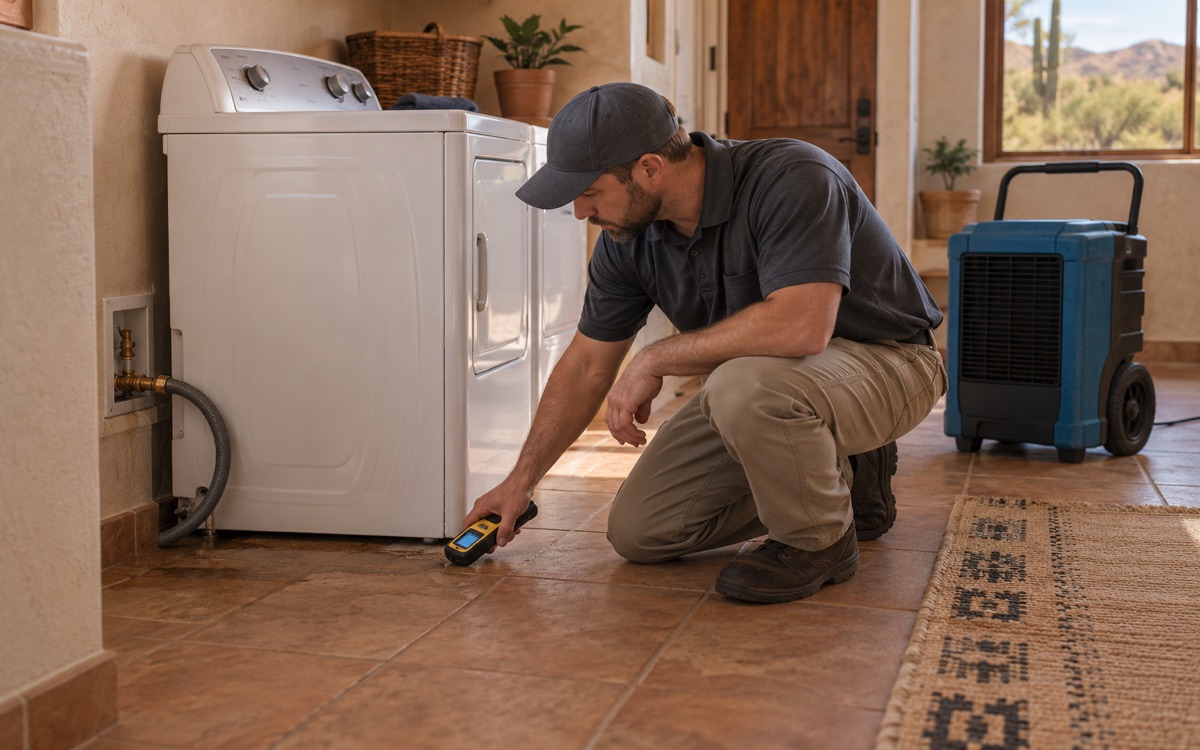
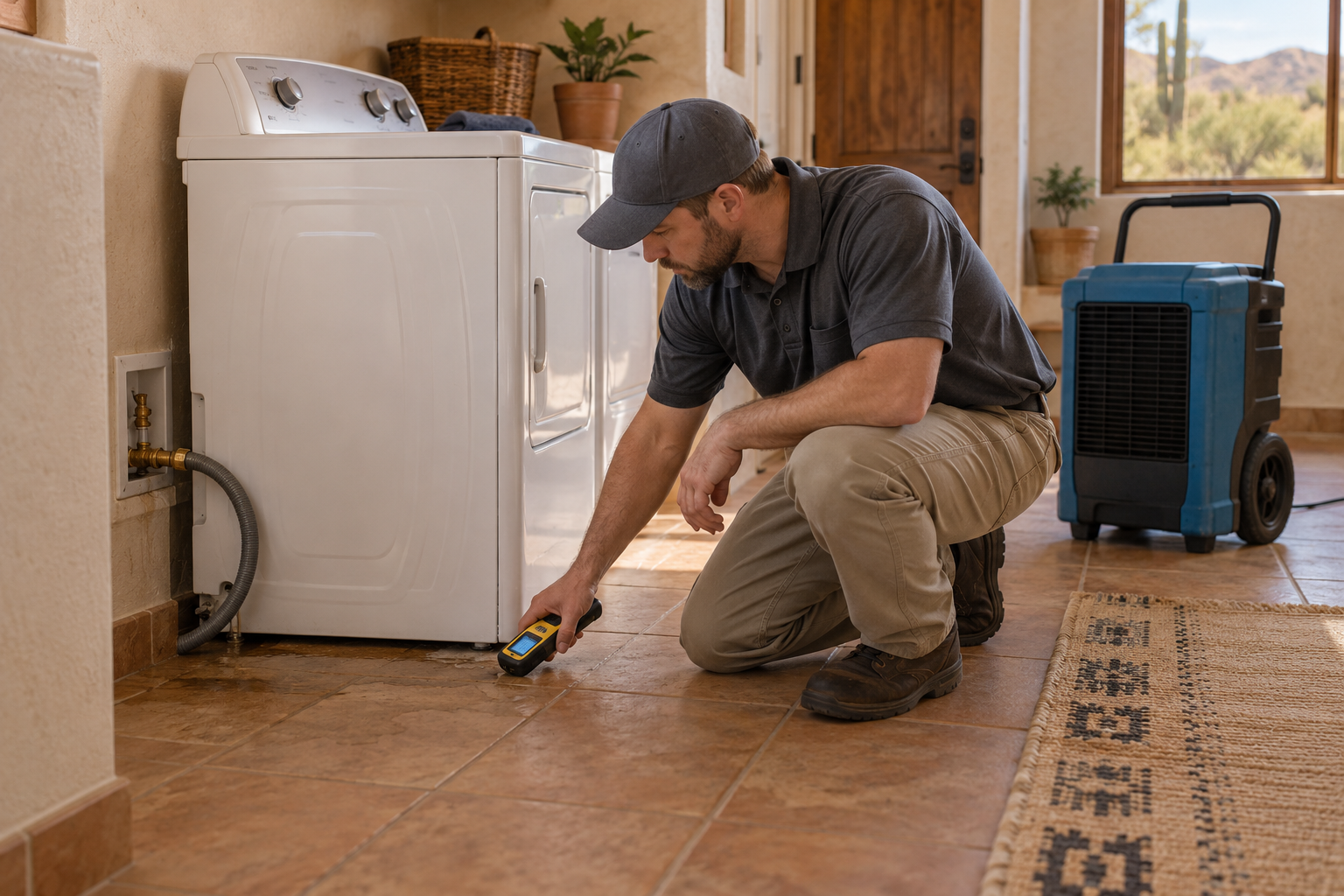
Phoenix monsoon weather does not make every storm-related loss the same type of claim. Water driven through a damaged building envelope and runoff entering from outside should be documented accurately. A flood damage assessment can record visible conditions and affected materials without deciding insurance coverage.
Ask About Policies and Endorsements, Not Just a Claim Number
Tell your agent or insurer which policies you hold and ask where to report the loss. If you have flood insurance, building and contents protection may be separate. FloodSmart notes that these protections are typically purchased separately and have separate deductibles under the NFIP.
- Which policy is being reviewed for this water source?
- Are building damage and belongings both included in that review?
- What deductible and applicable limits should I understand?
- What records are needed before damaged items are discarded?
- Who can explain a coverage decision in writing?
A general phone statement is less useful than a clear explanation tied to the policy. If you do not understand a term or decision, ask the insurer to identify the relevant provision. A restoration estimate describes work; it is not an insurance authorization.
Document the Loss Without Delaying Safe Mitigation
Take photographs from a safe location, record when the damage was discovered, and preserve receipts and communications. Do not enter standing water or an unsafe structure to obtain a better photograph. Existing pictures and professional documentation may help where access is restricted.
FloodSmart's claim guidance recommends reporting promptly and documenting damaged property. It also addresses handling items that present health hazards after documentation. Ask your insurer about its instructions, but do not retain hazardous materials simply because an adjuster has not arrived.
Emergency mitigation can help limit additional damage when conditions permit. Keep the scope, authorizations, and invoices clear. The urgency of a service does not guarantee that every charge will be covered, so ask about payment responsibilities before agreeing to work.
Keep Billing and Coverage Decisions Separate
Direct insurer billing is an administrative arrangement. It does not remove a deductible, expand policy coverage, or transfer the insurer's decision-making role to a contractor. Understand whom you are authorizing to perform work and what happens if the insurer pays less than the invoice.
For Arizona disaster-related insurance information, the Arizona Department of Insurance and Financial Institutions provides recovery resources. Use your policy and insurer's written response for the specific claim, and seek qualified advice when a dispute or unclear obligation remains.
After the immediate loss, discuss future protection with your agent. Buying or changing coverage is a separate matter from payment for damage that has already happened. Do not assume a newly purchased policy will address the current event.
Questions About Phoenix Flood Insurance Claims
Is monsoon damage automatically covered by homeowners insurance?
No. The water source and policy terms matter. Tell the insurer whether the observed damage involves surface runoff, roof or envelope damage, or another source, and let the claim review address the coverage question.
Can the restoration company tell me what my insurer will pay?
The company can explain its proposed work and estimate. Your insurer determines coverage and payment under the policy; a contractor should not promise a settlement.
Should I wait for coverage confirmation before reporting the loss?
Report promptly and ask about the next steps. Preserve safe evidence and discuss necessary mitigation while the insurer reviews the claim. Reporting and accepting a particular repair contract are separate decisions.
Get the Damage Assessed Clearly
For a documented restoration scope in Phoenix, Request Service or call (602) 902-1375. Phoenix Flood Restoration can discuss affected materials and urgent cleanup needs while you coordinate policy questions with your insurer.