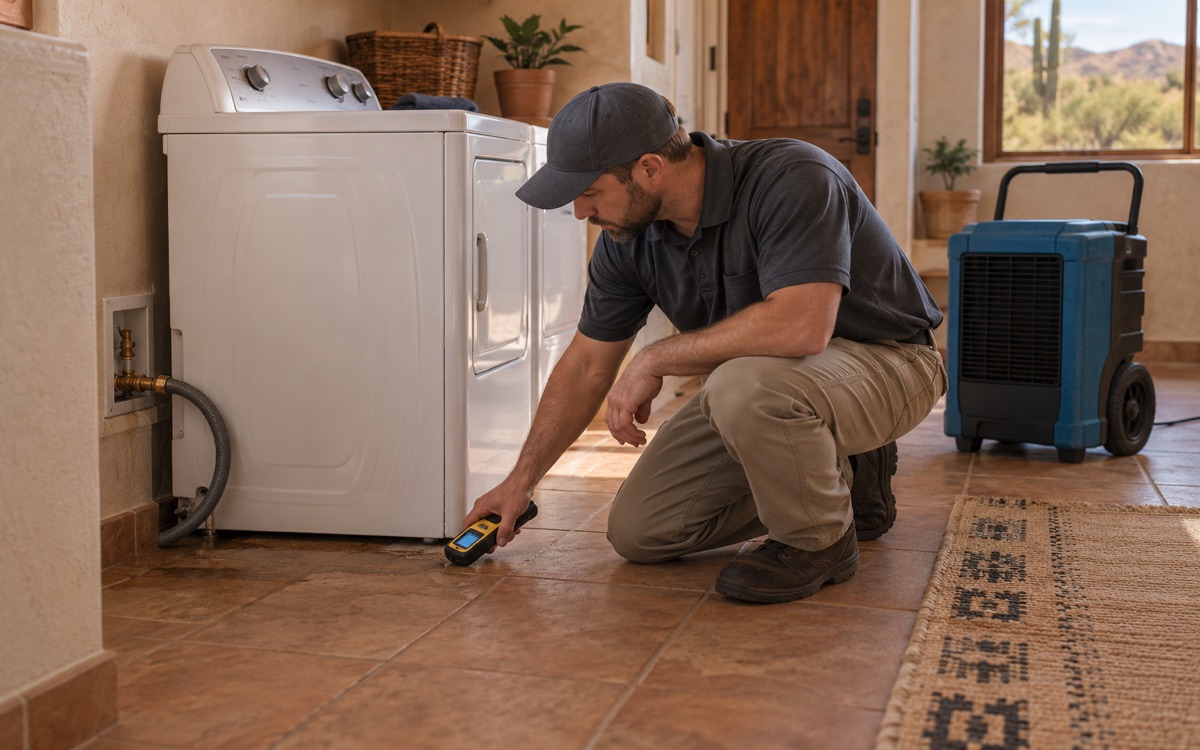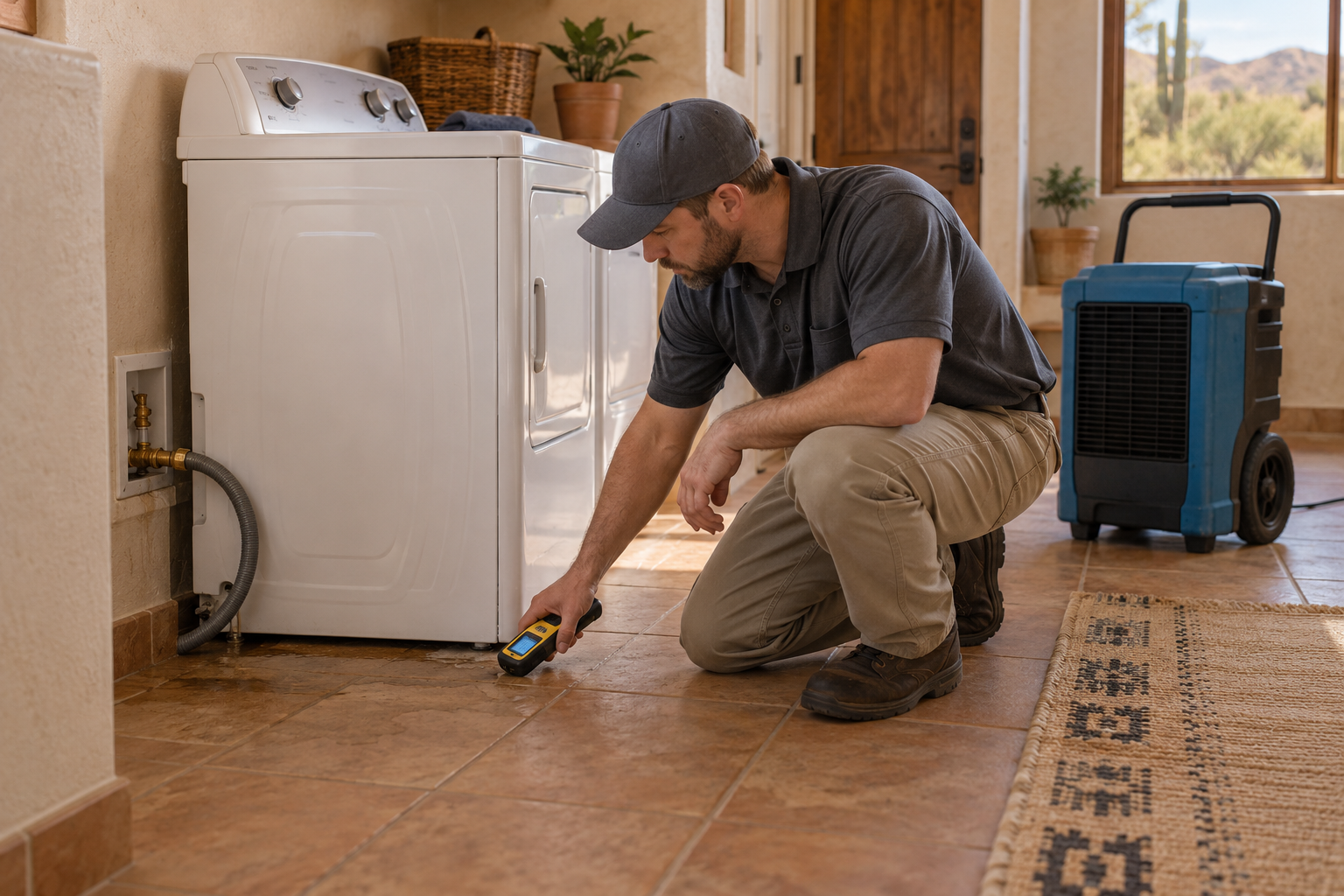

How Do I Make a Contents Inventory After a Phoenix Flood?
Make a flood contents inventory by recording each damaged item or clearly defined group, its identifying details, observed condition, and supporting photographs or receipts. Connect every entry to its location and keep the original records. Do not handle contaminated belongings or enter unsafe areas just to complete the list.
After a Phoenix flood, possessions may be moved for cleanup before their value or restoration options are clear. A consistent inventory helps prevent confusion over what was affected, what went into storage, and what was returned. It supports a claim review, but it does not establish coverage or guarantee reimbursement.
Choose a Simple Record That Can Be Updated
A spreadsheet, insurer's inventory form, or clearly organized document can work. Use an item number that stays with the entry as its status changes. A separate photo folder can use those numbers so a reviewer can connect the written description to the correct images.
Record the item description, brand, model, approximate purchase date when known, original cost if supported, and current location. If an answer is unknown, mark it unknown rather than filling in a guess. Save receipts, online order records, manuals, or older photographs that help establish what the item was.
Ask your insurer whether it requires a particular form before you spend time reformatting the list. FloodSmart's claim guidance recommends identifying information and documentation for damaged personal property. Your own policy and insurer's instructions determine what is required for the claim.
Describe Condition Without Deciding the Outcome
Useful condition notes describe observations: water exposure along the base, visible sediment, swollen material, or a damaged package. Avoid writing “total loss” solely because an item is wet or “undamaged” because its outside looks clean. A qualified assessment may be needed to decide whether cleaning or restoration is appropriate.
Keep proposed salvage, approved disposal, cleaning, storage, and return as separate statuses. This prevents the initial inventory from becoming an accidental promise that everything will be restored. Contents drying and restoration decisions depend on the material, contamination, condition, and practical restoration options.
- Give valuable or individually identifiable items their own entries.
- Group ordinary similar items only when quantities remain clear.
- Photograph accessible identifying labels without energizing equipment.
- Note who assessed or moved an item and on what date.
Document Removal and Storage as Well as Damage
If belongings leave the property, obtain a transfer record describing what was collected, who took custody, and where it is going. Keep the inventory version used at pickup. When items return, reconcile them against that record and note any outstanding items immediately.
For Phoenix monsoon losses, outdoor water may have carried contaminants into the property. Do not spread wet or dirty items into unaffected areas to make sorting easier. Ask the cleanup team how documentation can be completed within the handling plan.
Hazardous materials should not be kept merely to await an adjuster after they have been documented. FloodSmart addresses prompt documentation and handling of health hazards in its claims guidance. Ask about acceptable photographs, safe samples where appropriate, and disposal records before removal when practical, without delaying necessary safety measures.
Separate Contents Records From Building Repairs
Freestanding belongings and building materials can fall into different insurance categories. Record them separately rather than combining a damaged cabinet, loose appliance, flooring, and personal possessions into one general amount. If classification is unclear, ask the adjuster instead of assuming.
FloodSmart explains that NFIP building and contents coverage are typically purchased separately and carry separate deductibles. Other policies may differ. Having a detailed inventory helps the review, but an organized list does not create coverage that was not purchased.
Protect personal information while gathering records. Receipts and photographs can expose account numbers, addresses, or private documents. Use secure insurer-approved submission methods and retain a backup that is accessible outside the damaged property.
Questions About Flood Contents Inventories
What if I no longer have the receipt?
Record what you know and look for supporting order history, earlier photographs, product labels, or other records. Ask the insurer what alternatives it accepts; do not invent a purchase price or date.
Should several identical items have one entry?
They can be grouped if the quantity, description, condition, and supporting evidence remain clear and the insurer accepts that format. Individually valuable or differently damaged items are easier to track separately.
Does the inventory decide what can be restored?
No. The list records affected possessions and their status. Restoration suitability requires assessment, while coverage and valuation are matters for the insurer under the policy.
Organize Contents Recovery After a Phoenix Flood
Phoenix Flood Restoration can discuss affected belongings alongside the property cleanup plan. Request Service or call (602) 902-1375 and mention any contents already moved, stored, or documented.