
What Photos Should I Take for a Phoenix Flood Damage Claim?
Useful flood claim photos show the overall affected area, visible water entry or damage patterns, individual damaged materials, and affected belongings with identifying details. Take them only from safe locations, keep the original files, and organize them with a short timeline. No photograph is worth entering floodwater or an unsafe building.
A collection of close-up stains can be hard to understand later. A better record connects each detail to its location and to the wider loss. For a Phoenix property affected during monsoon weather, that might include safe exterior observations as well as interior damage once access is permitted.
Capture Context Before Close-Ups
Where it is safe, begin with wide views showing the affected surfaces and their relationship to doors, fixed fittings, and other recognizable features. Then take closer photographs of water lines, staining, swelling, detached finishes, or visible debris. This sequence helps an adjuster or contractor understand where each detail belongs.
If cleanup has already started, record that fact rather than trying to recreate the original condition. Photographs from the restoration crew may show conditions before removal or extraction. Ask for available documentation as part of the project record.
Do not move damaged items through unaffected areas solely to stage a picture. A professional damage assessment can help document locations that require controlled access or material handling.
Show the Observed Source Without Assigning a Cause
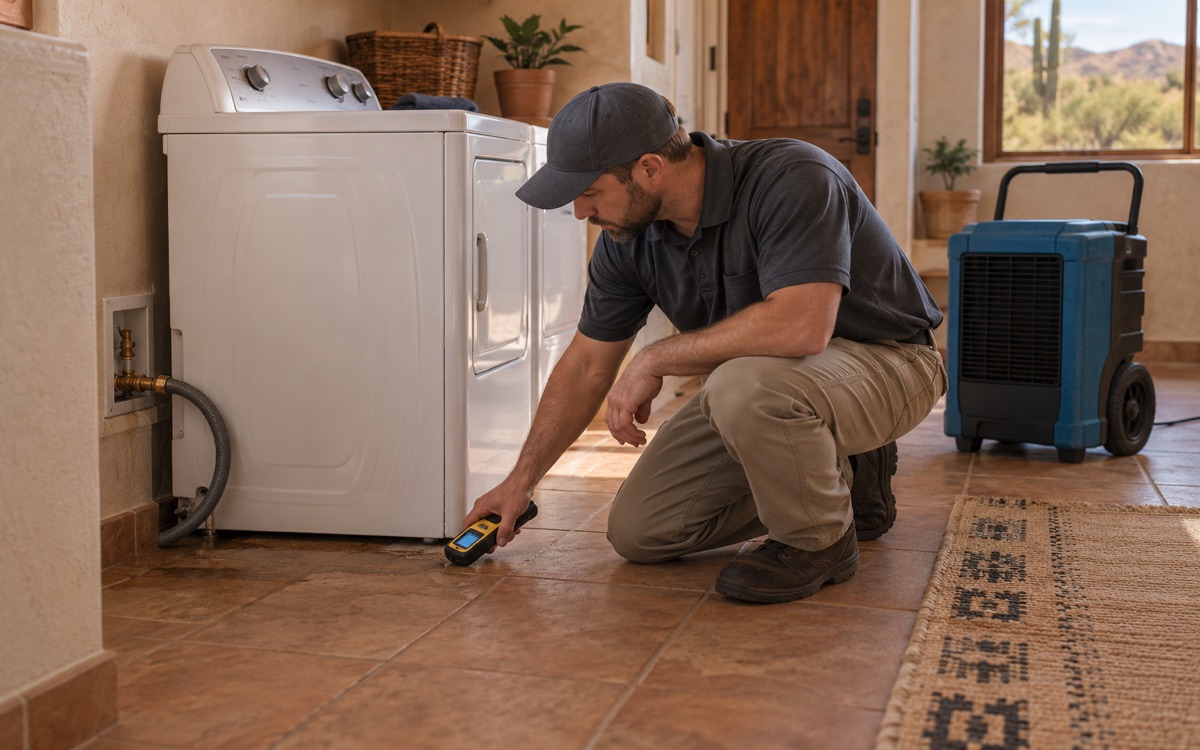
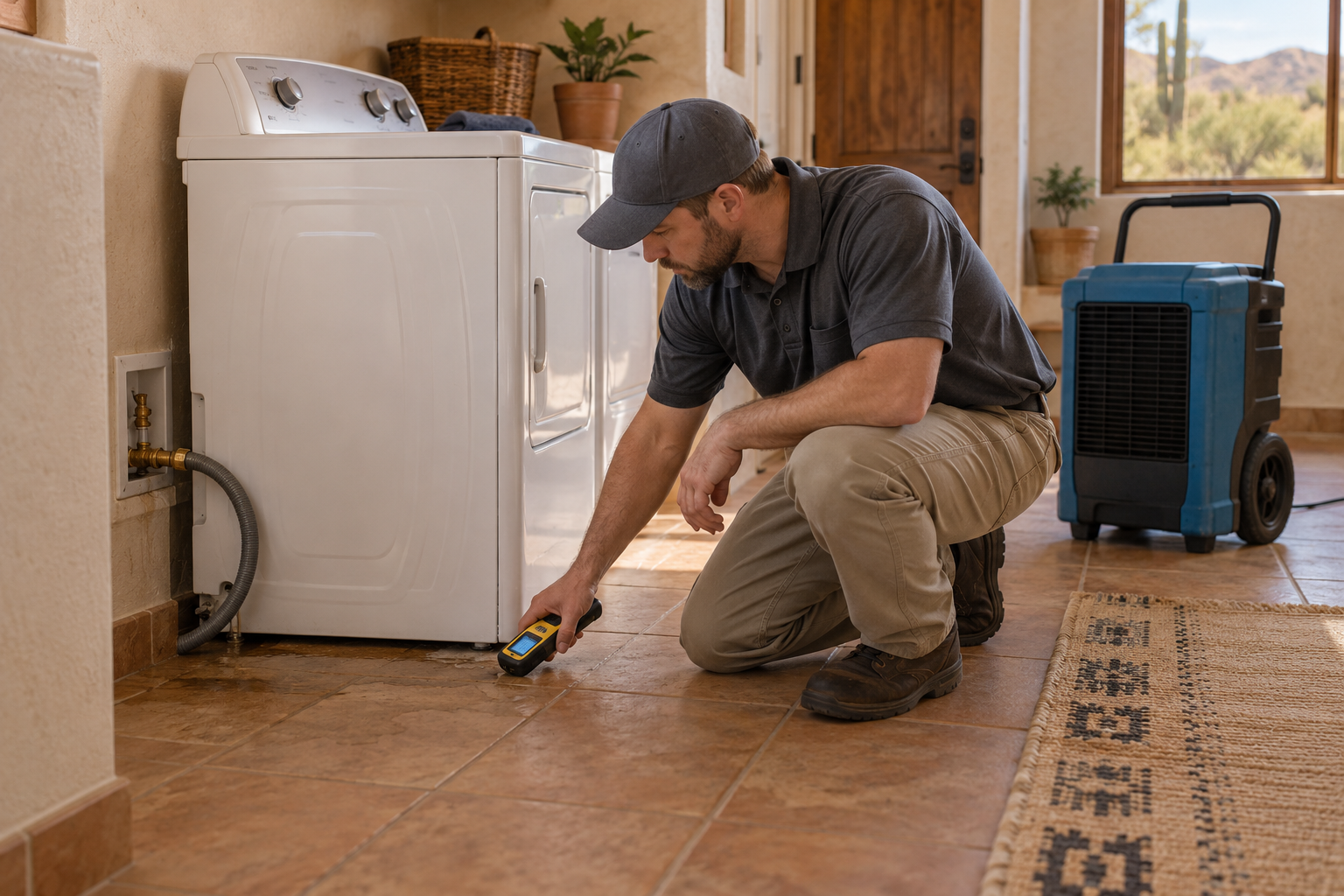
A visible broken connection, water at an exterior threshold, or roof-related staining can be useful evidence. Photograph what can be seen safely and describe the observation plainly. A wet wall does not by itself prove where water entered, and a photograph should not be labeled as a confirmed cause unless that cause has been established.
For monsoon-related damage, safe photographs of runoff marks or debris near the property may provide context. Do not walk into the street, a wash, or standing water to capture them. The CDC warns that floodwater can contain electrical hazards, sewage, chemicals, and sharp debris.
Keep timing information with the images: when rain occurred, when water was first noticed, and when access became possible. Note uncertainty honestly. A useful timeline does not require guessing the exact minute the loss began.
Document Belongings and Building Materials Separately
For belongings, photograph the item as a whole, the damaged area, and any accessible model or serial label. Include enough context to connect the label with the correct item. Receipts, purchase records, or earlier photographs can support identification when the current label is unreadable.
- Use one inventory entry for each identifiable item or logical group.
- Record the brand and model when known.
- Describe observed damage without claiming an unverified repair cost.
- Keep photographs of building finishes separate from contents records.
- Retain available receipts for mitigation and temporary expenses.
FloodSmart recommends photographs, video, and identifying details for damaged property. Its guidance also addresses hazardous items that should not be retained just to wait for an adjuster after they have been documented. Coordinate disposal documentation with the insurer and cleanup team.
Keep Originals and Make the Record Easy to Follow
Save the original image files rather than only screenshots sent through messaging apps. Use folders by date or area and maintain a simple list connecting file names to inventory entries. Back up the record somewhere that will remain accessible if a phone or computer is damaged.
Avoid filters, annotations that hide the damage, or edits that change the appearance. If you add labels for convenience, keep an unedited original too. Protect personal information in documents visible in the background, and use the insurer's approved submission method for claim records.
Continue documenting meaningful project stages: materials before removal, source repairs, drying work, and completed restoration. This is not a reason to interfere with the crew or enter an isolated work area. Ask your mitigation team which project photos it can provide instead.
Questions About Flood Claim Photographs
What if I could not photograph the Phoenix property before cleanup?
Explain why and collect the evidence that remains. The restoration crew, property manager, or another authorized person may have contemporaneous records. Do not delay urgent safe work merely to assemble a perfect photo set.
Do I need a photo of every damaged possession?
Ask the insurer what it requires for your claim. An itemized inventory supported by clear photographs is usually more useful than an unlabeled pile of damaged belongings, but requirements depend on the policy and review.
Should I keep contaminated items for the adjuster?
Ask about documentation and safe disposal promptly. Hazardous material should not be retained simply for an inspection; follow the cleanup plan and insurer's instructions about records or safe samples.
Get Help Documenting and Restoring the Damage
For flood damage assessment and cleanup in Phoenix, Request Service or call (602) 902-1375. Share the safe photographs you already have and explain any areas that cannot be accessed.