What Should I Avoid Doing After a Flood in Phoenix?
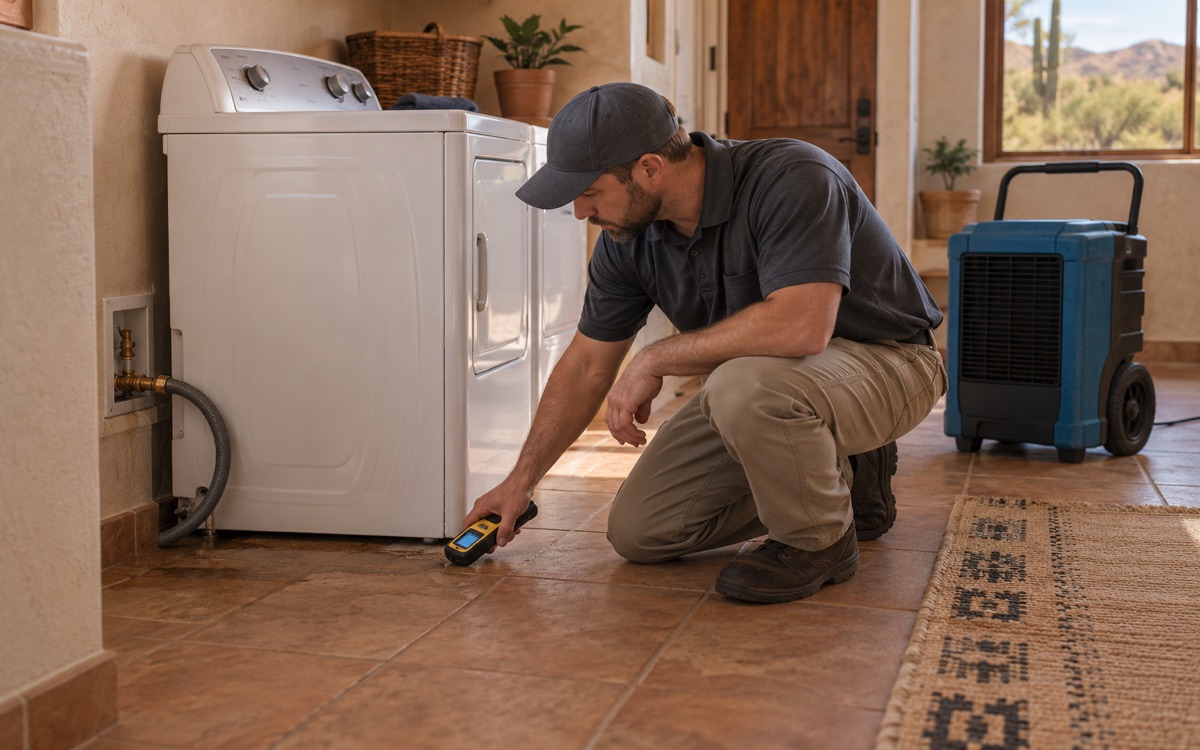
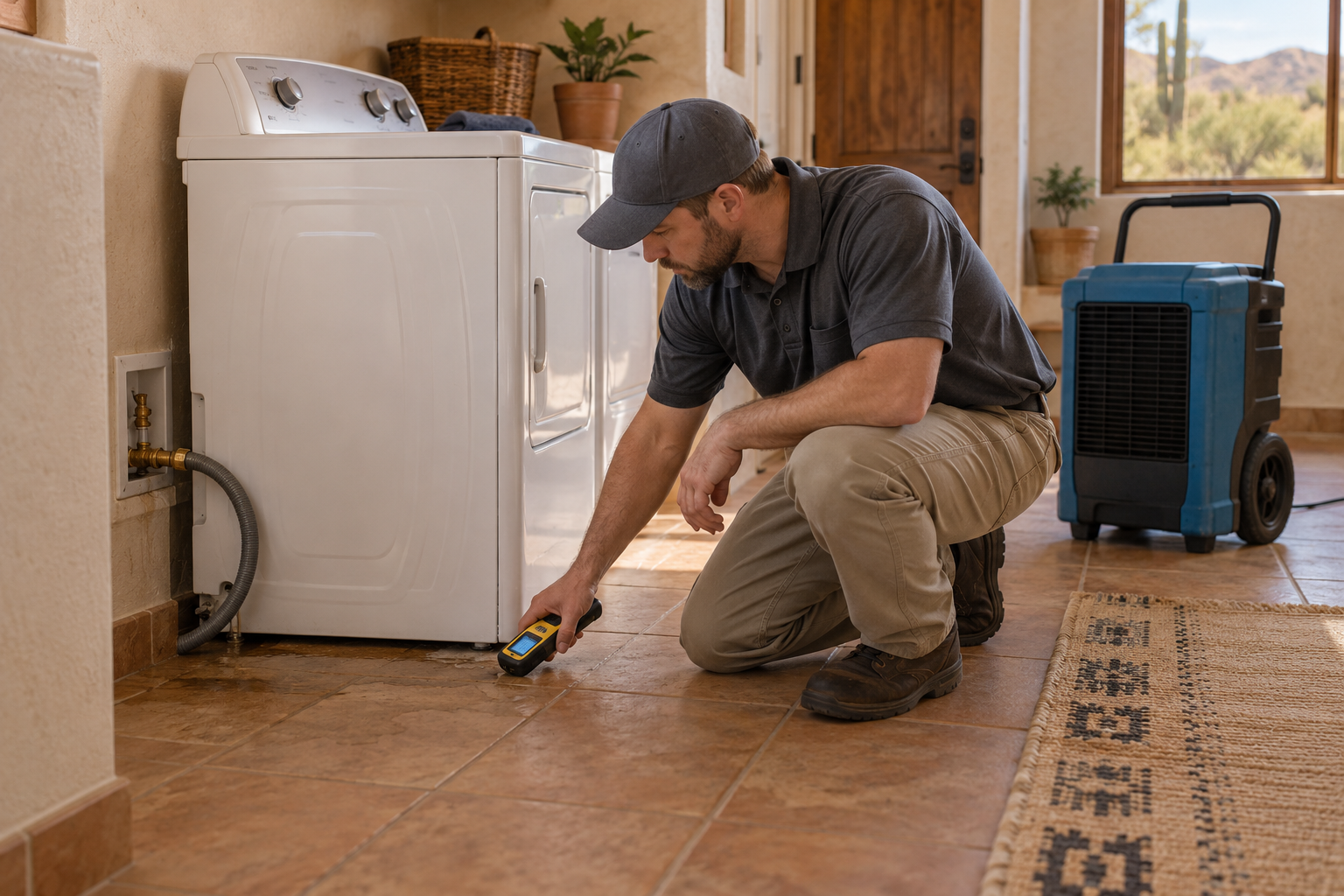
Avoid entering floodwater, using wet electrical equipment, directing fans across uncertain contamination, or covering materials before they are assessed and dried. Do not discard useful damage evidence without a plan, and do not assume Arizona heat has dried hidden layers.
After a flood, actions that look productive can make the situation harder to manage. The goal is to prevent additional exposure and damage while preserving the information needed for a sound restoration plan. That does not mean doing nothing; it means choosing tasks that are safe and appropriate to the conditions.
Do not test electrical safety by trying equipment
A working light or appliance does not prove that an affected system is safe. Avoid switching equipment on, reaching a breaker through water, or running extension cords into a wet area. The CDC advises professional evaluation of affected electrical systems before power is restored.
The same caution applies to pumps and vacuums. Equipment used for cleanup still needs safe power and suitable placement. Fuel-powered equipment introduces another serious hazard and must not operate inside or in partly enclosed spaces. Do not improvise a setup because water removal feels urgent; tell the restoration team about the power conditions.
Do not spread water and debris into clean areas
Moving wet furniture, walking repeatedly through an affected area, or directing fans across contaminated surfaces can move the problem beyond its original boundary. Outdoor Phoenix runoff may contain pollutants even when the water looks clear. Treat the source as an important assessment question rather than judging it by smell.
Keep people and pets away, and let the cleanup plan define how contents and debris will be handled. Household disinfectant is not a substitute for removing contamination, addressing affected porous materials, and drying the assembly. Avoid mixing products or following chemical recipes from unrelated situations. The method must fit the material and exposure.
Do not close up damage because the surface improves
Painting a stain, replacing a baseboard, or installing new flooring can conceal moisture that still needs attention. A surface may look better soon after extraction while the layers underneath remain wet. Repairs made at that point may need to be opened again, and they can make monitoring more difficult.
The EPA emphasizes fixing the moisture source as well as addressing affected materials. Before rebuilding, ask how drying was verified and whether the entry point or failed component was corrected. Appearance, outdoor temperature, and elapsed time are not interchangeable with that evidence.
Do not let rushed disposal erase the project record
Discarding everything immediately can remove identifying details and make a claim inventory more difficult. Photograph affected belongings and materials when safe, and retain receipts and communications. However, keeping hazardous waste solely for an adjuster is not the right alternative. Coordinate documentation and safe removal with the restoration team and insurer.
Also avoid assuming an early estimate captures every hidden condition. A wall cavity or flooring layer may reveal additional damage after controlled access. Ask for changes to be explained and recorded. A clear record reduces confusion about why the scope evolved, while a rushed verbal agreement can leave responsibilities unclear during an already stressful recovery.
A common mistake is recording only the worst-looking area. An accessible overview photograph and an image showing the relationship to nearby finishes can explain more than a close-up alone. Do not disturb a material to create that record. If an area cannot be reached safely, note that limitation and let the crew document it later. Missing photographs are preferable to an avoidable exposure or injury.
Questions about avoiding post-flood mistakes
Should I use household fans if the water came from outside?
Not before contamination and electrical conditions are assessed. Air movement can spread contaminants, and the appropriate drying approach follows necessary cleanup and safety checks.
Can I cover a wet area to keep people away?
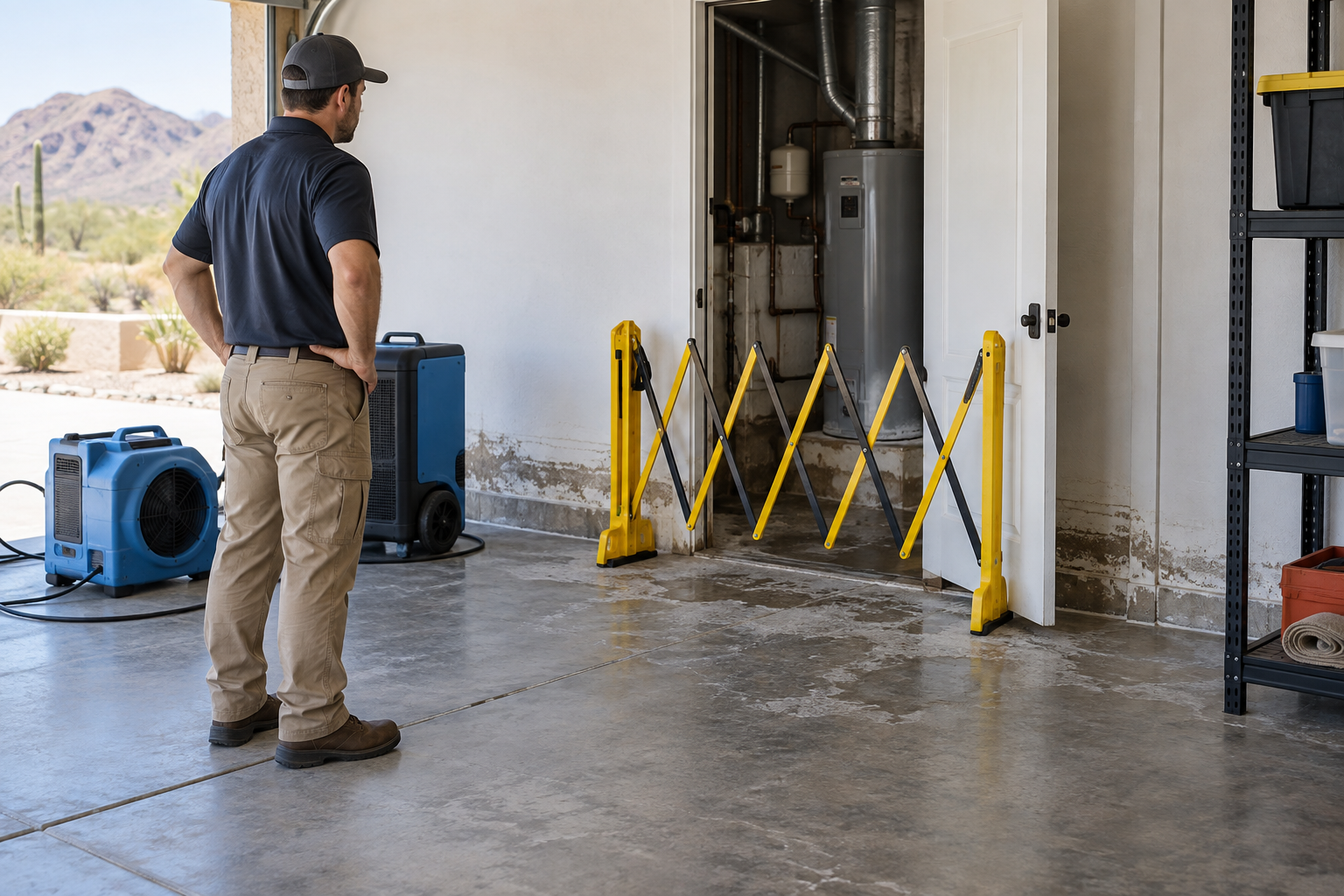
Use a safe access boundary rather than sealing wet materials beneath new finishes or improvised coverings. Ask the crew how the work area should be isolated.
Is it a mistake to call before I know the source?
No. Unknown source information is common. Report what you can safely observe, and let the assessment address the uncertainty instead of delaying while you investigate.
Avoid a second problem while recovering from a Phoenix flood
If you are unsure whether an action will help or complicate cleanup, describe the condition before disturbing the affected materials.
Flood Damage Mitigation and Moisture Detection & Mapping help address existing damage without overlooking its hidden extent. Request Service or call (602) 902-1375 to discuss the affected property.