
Why Do Drying Fans Need to Run Continuously After a Phoenix Flood?
Drying fans often need continuous operation because they support ongoing moisture removal from affected materials. Switching them off can interrupt the conditions the restoration crew is monitoring. Follow the operating plan for your property, but report electrical faults, water leaks, unusual equipment behavior, or other safety concerns immediately rather than leaving unsafe equipment running.
What air movers do between visits
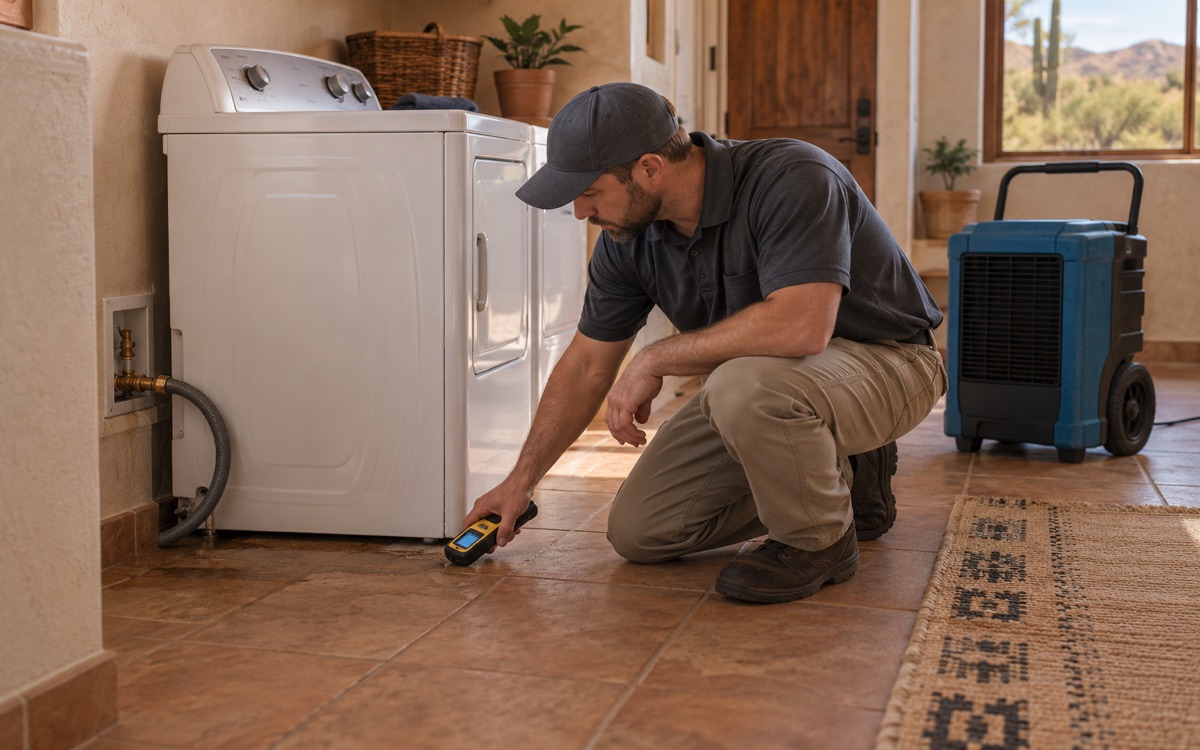
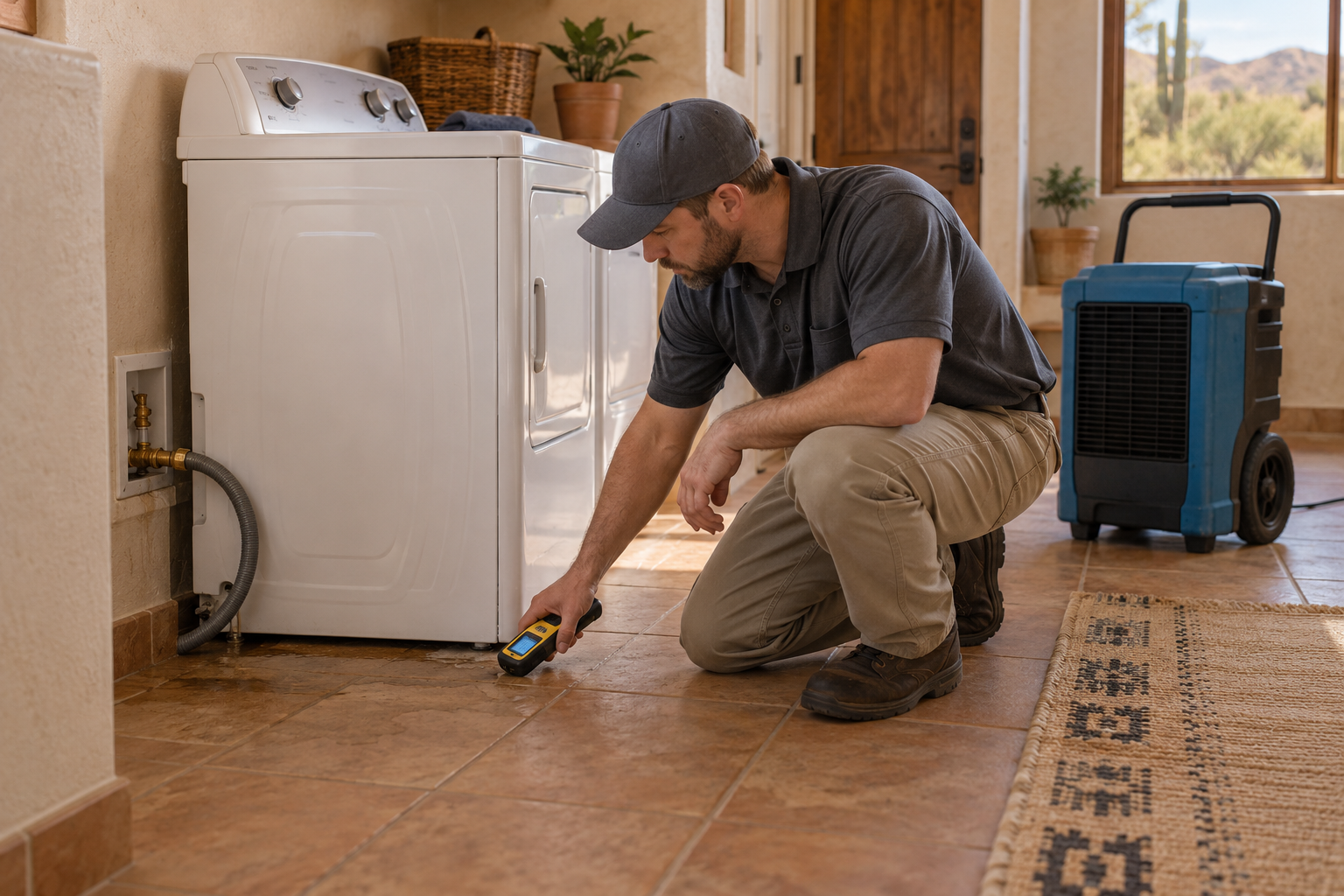
Air movers are not there only to make a wet floor look dry. In a suitable, assessed work area, they move air across surfaces so that moisture can leave those materials. Dehumidification or other planned moisture removal then helps manage the water released into the air. The equipment works as a coordinated setup rather than a collection of unrelated fans.
This matters after a Phoenix flood because a visible puddle is only part of the damage. Base materials, flooring layers, or accessible framing may remain damp after extraction. A steady setup gives the technician a more meaningful basis for comparing readings at the next visit.
The crew should explain which units are intended to run, what they serve, and what you should do if a circuit trips. Equipment does not need to run forever; it needs to run as directed until assessment supports a change.
How interruptions affect the next moisture check
Turning off a unit overnight changes the conditions under which the materials were expected to dry. If the next readings show limited progress, the technician needs to know about the interruption before deciding whether access, placement, equipment capacity, or the material itself is the issue.
An interruption does not automatically mean a project must restart or that a fixed number of days has been added. Its effect depends on the length of the interruption, the materials, indoor conditions, and the rest of the setup. Avoid treating any predicted delay as certain without new measurements.
Phoenix Flood Restoration's structural drying service should be coordinated with documented checks. Keep a simple note of when equipment stopped and tell the crew what happened. Accurate information is more useful than leaving an equipment change unreported.
Noise, heat, and access should be addressed openly
Drying equipment can interfere with ordinary use of a property. Noise may make calls or rest difficult, cables can affect movement, and operating equipment can change indoor comfort. Those concerns deserve a practical response, not an instruction to ignore them.
Ask whether the work area can be separated, whether a route can be improved, or whether equipment placement can be adjusted without compromising the plan. Do not move a unit toward a different wall because it seems more convenient; the original location may correspond to a particular wet assembly.
For occupied properties, discuss whether safe access and basic needs remain available. Running fans is not evidence that the building is safe to occupy. The condition of utilities, contamination, damaged materials, and the work zone all matter independently of noise tolerance.
Continuous operation does not override safety
Do not touch a wet plug, enter water to reach a switch, or repeatedly reset a tripping circuit. CDC's flooded-home safety guidance warns against operating electrical equipment while standing in water and recommends qualified electrical assessment where systems have been affected.
Fans also should not be improvised across suspected contamination. EPA's material cleanup guidance distinguishes clean-water drying from sewage or other contaminated losses. A plan may require cleanup and sanitization before normal drying proceeds.
Call the restoration team when a machine leaks, develops an unusual smell, makes abnormal sounds, or stops unexpectedly. If there is smoke, fire, sparking, or an immediate threat, keep away and contact emergency services. The priority is a safe working setup, not uninterrupted operation at any cost.
Related questions
Can I turn the air movers off while I sleep?
Do not make that change without discussing it with the crew. Explain the disturbance so they can consider an appropriate adjustment or advise on use of the property while the affected area dries.
How will I know the fans can be removed?
The decision should follow the condition of the affected materials and documented progress, not simply elapsed time. Ask what has met the drying goal and whether any areas still need attention.
Does a running fan prove my wall is drying?
No. Equipment operation and material recovery are different things. Moisture checks help establish whether the chosen setup is producing the expected change.
Keep your Phoenix drying project on track
For flood damage that needs an assessed drying setup, contact Phoenix Flood Restoration. We can explain equipment operation, monitoring, and what to report between visits so that avoidable interruptions do not obscure the condition of your property.
Request Service or call (602) 902-1375.